
Review · HISTORICAL TOURS
Rio Culture and History through the Art of Traditional Foods
Rio’s food story is best told one bite at a time. This six-hour walking tour links downtown Rio, Lapa, and Santa Teresa with stops for pão de queijo, coxinha, açaí, tapioca, manioc flour dishes, sweets, beer, and cachaça. The old tram ride over the Lapa Arches aqueduct adds a memorable bit of sightseeing between tastings.
I like the way food is used as a doorway into daily life, not treated as a string of unrelated samples. I also like the personal touch: guides such as Camila and Romayne have taken guests into favorite food spots, explained family traditions, and added sights such as the Colombo confectionery, the library reading room, and Selarón Steps. The main drawback is the price, $198 per person, which is high for a food walk, even with transport and many tastings included.
Key points to know before booking
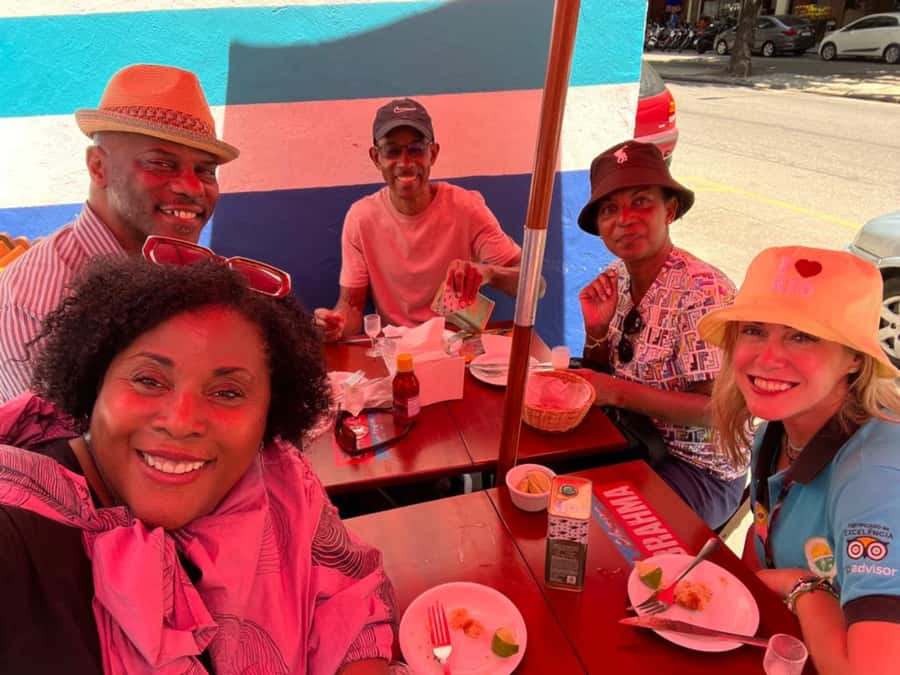
- Pão de queijo, coxinha, açaí, and cachaça form the edible backbone of the day.
- The Santa Teresa tram crosses the Lapa Arches, giving the tour a memorable transport link between central Rio and the hilltop neighborhood.
- Colombo confectionery brings elegant sweets and savory snacks into a tour otherwise focused on everyday Brazilian food.
- Camila and Romayne are guides named in past bookings, with a strong focus on stories, personal connections, and local food customs.
- About one mile of walking makes this manageable for most fitness levels, though the six-hour length means you should still wear comfortable clothes.
- A 10:45 a.m. departure makes this a substantial half-day and early-afternoon activity, not a quick snack stop.
A food tour that also explains Rio

This is not simply a restaurant crawl. You move through parts of central Rio while learning why certain ingredients matter in Brazilian cooking and how local families pass down food traditions.
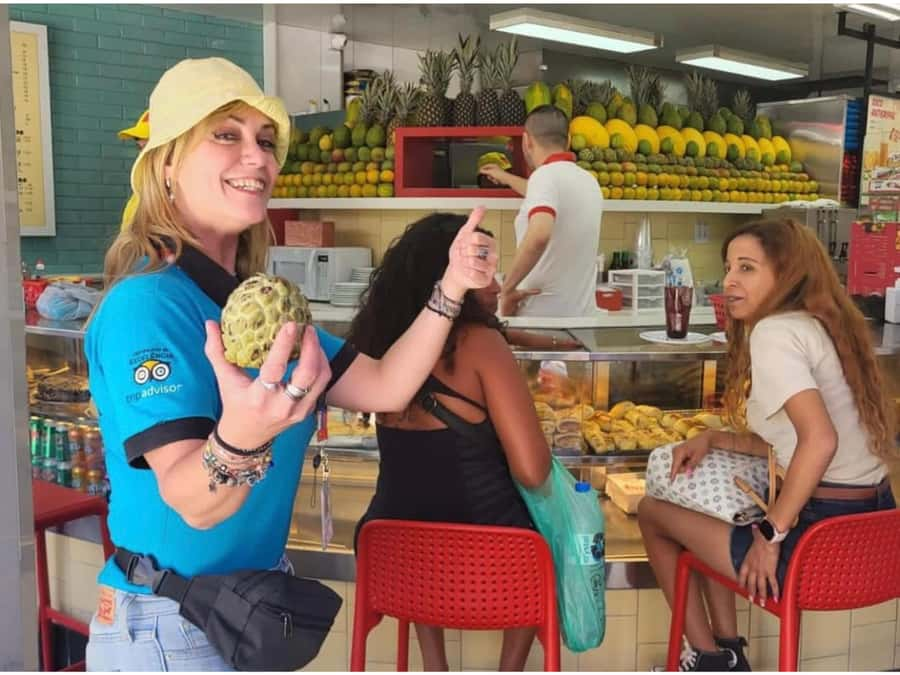
The tastings include familiar Brazilian favorites and foods you may not think to order on your own. Pão de queijo brings warm cheese bread. Coxinha offers a classic savory snack. Açaí, tapioca, and manioc flour introduce ingredients that appear across Brazilian cooking. Bacalao fritters, brigadeiros, caipirinhas, local beer, and cachaça add more variety.
That range matters. Açaí is often known outside Brazil as a sweet bowl topping, but here it sits within a wider food culture. Tapioca and manioc flour show how one important crop appears in different forms. Cachaça is not just a spirit to sip in a cocktail. It is part of Brazil’s own drinking tradition, and tasting it during a food-focused walk gives it a more useful setting.
You should arrive hungry. This is a long outing with repeated samples and drinks. The exact order of stops can vary, but the day is built around eating, walking, sightseeing, and conversation rather than one large sit-down meal.
More history tours in Rio de Janeiro:
- Rio de Janeiro: Historic Rio and Santa Teresa Half-Day Tour
★ 4.4 · 228 reviews - Rio de Janeiro: Little Africa Heritage Walking Tour
★ 4.9 · 177 reviews - Explore Little Africa : Unveiling Afro Heritage in Rio de Janeiro
★ 5.0 · 97 reviews
Starting downtown with Brazilian staples
The tour begins at the designated meeting point, with check-in at 10:30 a.m. and departure at 10:45 a.m. You should arrive at least 10 minutes early. Hotel pickup is not included, so plan your own way to the meeting point.
The downtown portion gives the food some context. Instead of rushing straight to a famous monument, you get a look at Rio through its older streets, food counters, cafés, confectionery traditions, and everyday meeting places.
One useful feature is the guide’s ability to connect the places you visit with the people who run them. Past guides named Camila and Romayne have been described as having close relationships with local staff. That can change the feel of a stop from a quick purchase to a more personal introduction, though your exact guide and route are not guaranteed.
You may also see the library reading room during the broader downtown sightseeing portion. It is a good reminder that this experience reaches beyond food. The point is not to tick off every major sight in Rio, but to show how eating, social life, architecture, and neighborhood traditions overlap.
Colombo confectionery and Rio’s sweet tooth
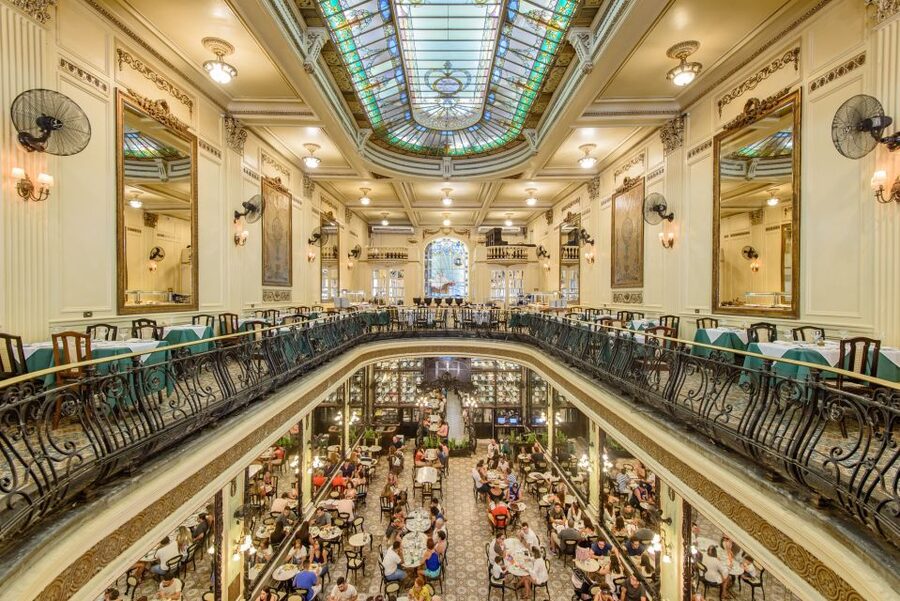
A stop at Colombo confectionery adds a more formal side to the day. Its sweets and savory snacks offer a contrast to the casual food samples you may encounter elsewhere.
This is one of the strongest parts of the route for anyone interested in the social history of eating. Confectioneries are not simply places to grab dessert. They reflect older café habits, celebrations, family occasions, and the polished side of Rio’s food culture.
You will also have a chance to sample sweets such as brigadeiros. One guide, Camila, has even been described as bringing homemade brigadeiros at the start of a tour. That kind of personal gesture depends on the guide and should not be treated as a guaranteed inclusion, but it captures the warm, family-centered tone this experience aims for.
Colombo is also a useful stop if your group includes people with different tastes. One person may prefer sweets, another may reach for a salty snack, and both can find something to try. Additional food and drinks beyond the planned tastings are not included, so keep that distinction in mind.
Riding the tram over the Lapa Arches
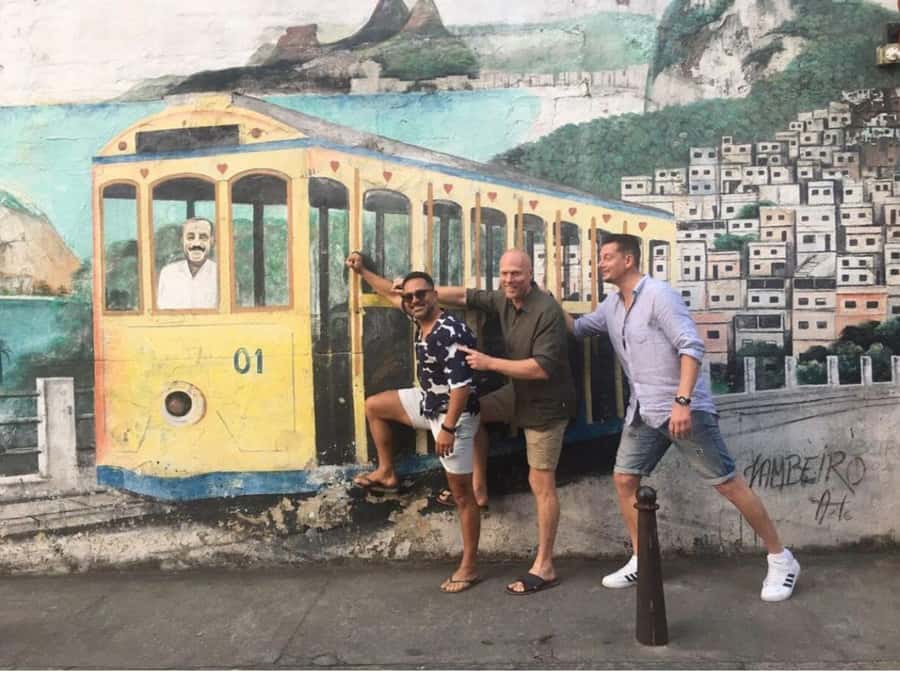
The tram ride is the day’s most memorable bit of transport. You board the charming streetcar for the trip from downtown toward Santa Teresa, crossing the Lapa Arches aqueduct and passing Ruinas Park.
The ride makes sense as part of the story. Santa Teresa sits above the center, and the tram links the older downtown area with the hillside neighborhood in a way that feels more distinctive than simply taking a car. You get a moving view of Rio while the guide continues explaining the city.
The route also gives you panoramic views as you climb toward Santa Teresa. Your view depends on the conditions and your position on the tram, so do not expect an uninterrupted sightseeing ride. Still, it is a memorable change of pace from walking and eating.
The tram ticket is included. That is important because transport is not an afterthought here. The ride helps connect the neighborhoods and saves you from covering the entire route on foot.
Same city, a completely different kind of day:
- Rio de Janeiro: 6-Stop Highlights of Rio with Lunch
★ 4.4 · 5,157 reviews - Christ the Redeemer Entry Ticket by Corcovado Train
★ 4.4 · 4,476 reviews - Rio de Janeiro: Rocinha Favela Walking Tour with Local Guide
★ 4.8 · 3,052 reviews - Rio: Christ the Redeemer, Sugarloaf, Selaron & BBQ Lunch
★ 4.5 · 2,428 reviews
Santa Teresa, with food and neighborhood life
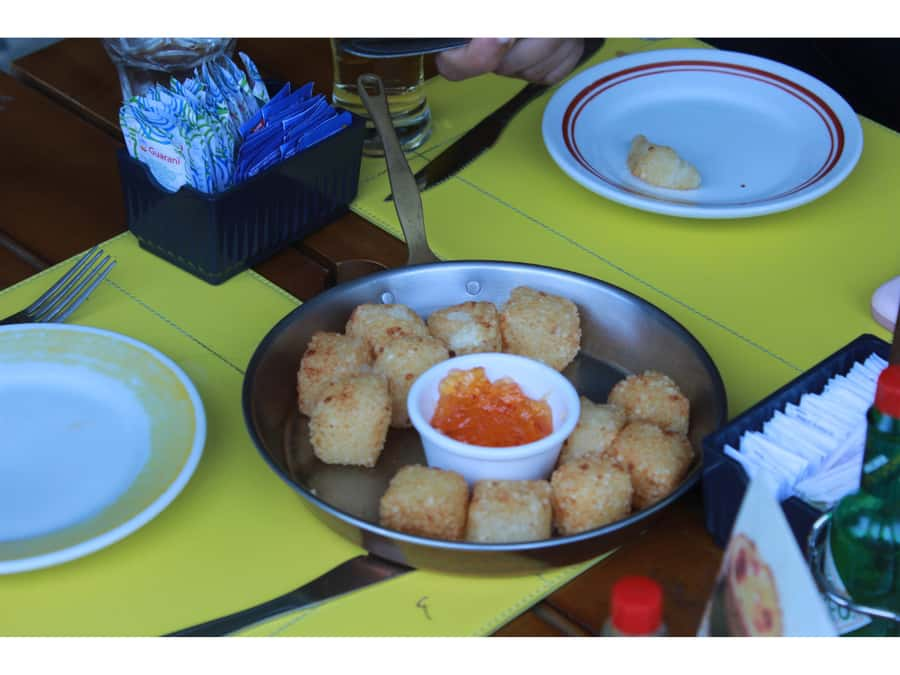
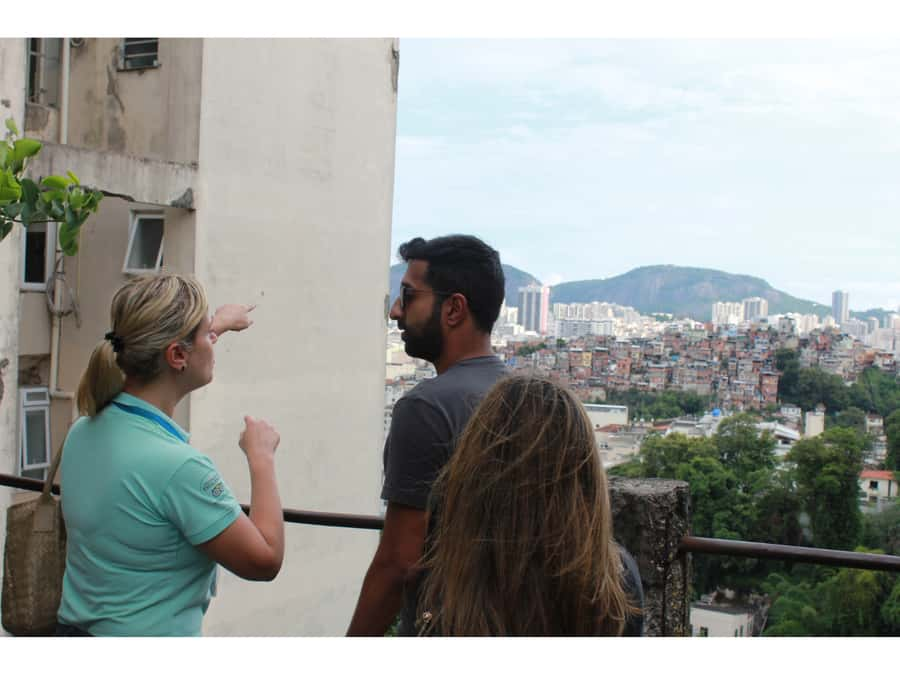
Santa Teresa is known for its steep streets, creative feel, bars, and restaurants. This tour gives you a brief taste of that setting while keeping food at the center.
You may stop at local restaurants and specialty shops to try more Brazilian dishes and drinks. The guide explains not only what you are eating, but also how local people use these foods and how family traditions shape the businesses you visit.
I like this part of the tour because it avoids presenting Santa Teresa as a postcard backdrop. The neighborhood is useful here as a living food district. Its restaurants and bars help show how Rio’s older traditions sit beside newer places to eat and drink.
The route is about one mile of walking, suitable for most fitness levels. That is a modest distance, but Rio’s streets can still include uneven surfaces, stairs, or slopes. Comfortable clothes and outdoor clothing are sensible. Sunglasses and a sun hat are also recommended.
Do not bring luggage or a large bag. You will be moving between stops, boarding transport, and walking through busy city areas. A small day bag is the practical choice.
Lapa’s bars, snacks, and drinks

Lapa adds a different mood. Its bars and restaurants give the tour a social side, while the tastings introduce drinks that are important to Brazilian culture.
You can expect local beer and cachaça along the route. Cachaça may appear by itself or in a caipirinha, depending on the tasting plan. The supplied details confirm both the spirit and caipirinhas as part of the food-and-drink experience, but the precise pour or serving can vary.
This is one reason the tour suits adults who want more than dessert samples. You are not only learning the names of Brazilian foods. You are getting a basic sense of how people meet, snack, drink, and spend time together.
The alcohol is also a reason to pace yourself. The tour lasts six hours, and several stops may include drinks. If you do not drink alcohol, you should ask the guide what alternatives are available, since the exact nonalcoholic options are not specified.
What you are likely to taste
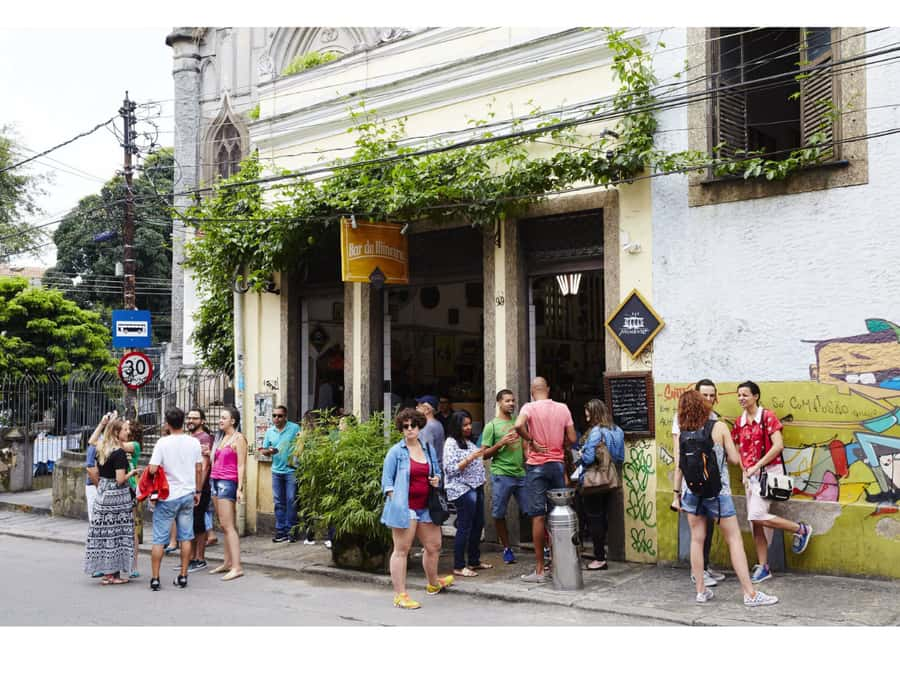
The menu is broad enough to give you a useful introduction to Brazilian food without pretending to represent every region of the country.
Expect some combination of:
- Pão de queijo, warm cheese bread
- Coxinha, a popular savory snack
- Açaí
- Tapioca
- Manioc flour preparations
- Bacalao fritters
- Brigadeiros and other sweets
- Local beer
- Cachaça or a caipirinha
These foods do different jobs. Pão de queijo and coxinha show the quick snacks found in cafés and casual food shops. Tapioca and manioc flour point to staple ingredients. Brigadeiros show the sweet side of Brazilian celebrations. Beer and cachaça add the social rhythm of a meal or evening out.
The tour does not promise a full restaurant meal, and extra food is not included. Think of it as a large series of tastings. If you eat a light breakfast, you should have enough room for the samples, but you may still want a meal later in the day.
The guides make the difference
A food tour depends heavily on the person leading it. The names Camila and Romayne appear in connection with this experience, and both are described as warm, energetic guides who combine food with stories about life in Rio.
Romayne is particularly associated with a high-energy six-hour route, personal connections at food stops, and stories that keep the day moving. Camila is associated with strong English, homemade brigadeiros on one occasion, and explanations of Rio’s food and drink customs.
Those details are useful when setting expectations, but they do not mean you can request a particular guide unless the operator confirms it. The advertised languages are English and Spanish.
A good guide matters here because some stops may be small or simple. A cheese bread tasting by itself is pleasant. A cheese bread tasting connected to family habits, regional ingredients, and the history of casual eating is much more useful.
Is $198 a fair price?
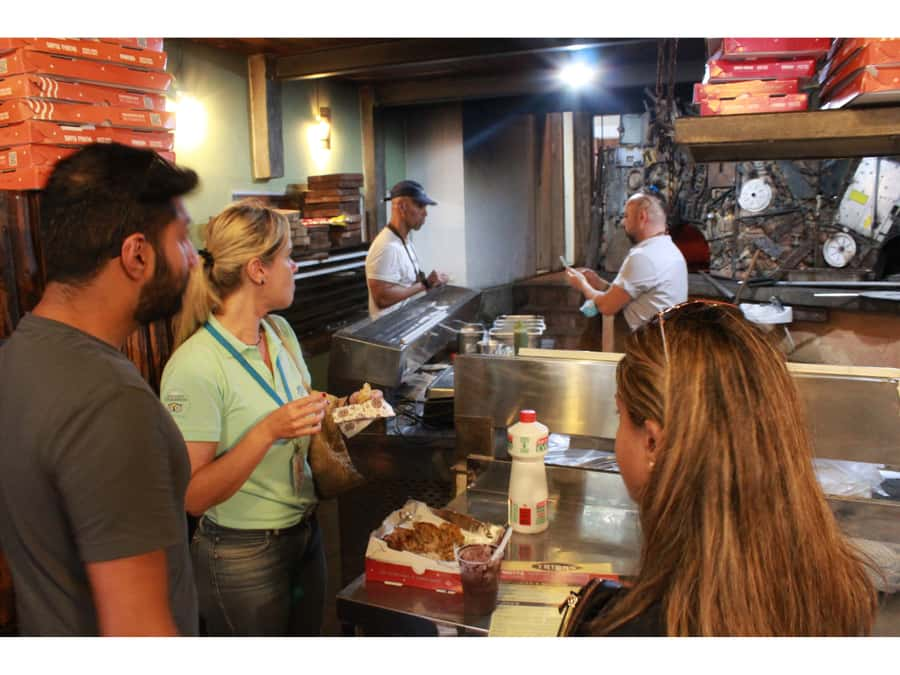
At $198 per person, this is an expensive food tour. You are paying more than you would for a self-guided snack crawl through Lapa or Santa Teresa.
The value comes from what is bundled together: a professional guide, food samples, drinks, entrance fees, the tram ticket, walking, sightseeing, and six hours of interpretation. You also avoid the work of choosing places, ordering unfamiliar foods, and building a route between downtown and Santa Teresa.
The price makes more sense if you want one organized day that combines culture and eating. It makes less sense if you mainly want a cheap way to try pão de queijo and cachaça. You could spend far less buying individual snacks, but you would not get the same guided route, storytelling, or transport connection.
I would compare this with the cost of booking separate sightseeing and food activities. The tour effectively combines two outings: a Rio history walk and a tasting route. It is still a splurge, but a defensible one for a first visit or a short stay.
Timing, comfort, and practical details
The tour departs at 10:45 a.m. after a 10:30 a.m. check-in and lasts about six hours. That places the finish in the late afternoon, depending on the day’s pace.
No hotel pickup or drop-off is included. You must reach the meeting point yourself and make your own way back. One past itinerary used the metro at the beginning and an Uber at the end, but those arrangements should not be assumed for every departure.
The walking distance is about one mile, though the full experience includes standing, boarding the tram, and moving between stops. Wear comfortable clothes and shoes. Bring sun protection, but avoid large luggage or bulky bags.
Free cancellation is available up to 24 hours before the tour for a full refund. You can also reserve now and pay later, which helps if your Rio plans are still shifting.
Who should book this Rio food tour?
I would recommend it to you if you want food to explain a city. It is especially useful for first-time visitors who want an introduction to central Rio, Lapa, and Santa Teresa without booking separate activities.
It also suits curious eaters who enjoy trying small portions and asking questions. You do not need advanced fitness, but you should be comfortable spending six hours out in the city.
Families and mixed-age groups may appreciate the variety of sweet and savory samples, though the alcohol tastings make the tour more naturally suited to adults. If you have strict dietary restrictions, ask before booking because the available tasting substitutions are not specified.
I would skip it if you want a short, inexpensive snack stop, a private vehicle, or a tightly scheduled sightseeing tour focused only on major monuments. This experience takes its time, and its value depends on enjoying conversation, local food, and neighborhood atmosphere.
Should you book it?
Book this tour if you want a guided introduction to Rio that joins food, history, and neighborhood life. The tram over the Lapa Arches, the Colombo confectionery, the Santa Teresa route, and the range of Brazilian snacks give the day plenty of variety.
The price is the main question. At $198, I would choose it early in a Rio visit, when a good guide can help you understand what you are seeing and eating. If your budget is tight, explore independently instead. If you value personal stories, included tastings, and a full six-hour route, this is one of the stronger ways to make food part of your understanding of Rio.
FAQ
How long does the Rio food and culture tour last?
The tour lasts six hours.
What time should I arrive?
Check-in is at 10:30 a.m., and departure is at 10:45 a.m. You should arrive at least 10 minutes before departure.
Which neighborhoods does the tour visit?
The route includes downtown Rio, Lapa, and Santa Teresa.
Is the tram ticket included?
Yes. The tram ticket is included, along with entrance fees, food samples, a professional guide, and the walking tour.
What foods might I taste?
Samples may include pão de queijo, coxinha, açaí, tapioca, manioc flour preparations, bacalao fritters, brigadeiros, sweets, and savory snacks.
Are drinks included?
The planned tastings include local beer and cachaça. Caipirinhas are also part of the described food and drink experience. Additional drinks are not included.
How much walking is involved?
The walking distance is about one mile, which is suitable for most fitness levels.
Is hotel pickup included?
No. Hotel pickup and drop-off are not included.
What languages are available?
The live guides speak English or Spanish.
Can I cancel for a refund?
Yes. You can cancel up to 24 hours in advance for a full refund.
Just added around Rio de Janeiro
- Vidigal Favela Tour★ 4.4 · 26 reviews
- Hang gliding flight in Rio de Janeiro★ 5.0 · 6 reviews
- Rio de Janeiro: Zip Lining and Canopy Tree Tour★ 3.3 · 6 reviews
- Tijuca Forest Hike – Waterfalls & Caves, Nature & Wild Life!★ 5.0 · 51 reviews
- Unforgettable Boat Party★ 5.0 · 3 reviews
- Guided Tour to Favela Santa Marta★ 5.0 · 60 reviews
- Rio de Janeiro: Attend a Vasco da Gama game with local guide★ 4.8 · 9 reviews
- Rio Highlights: Christ, Sugarloaf, and More in a Private Tour★ 5.0 · 36 reviews
Historical Tours, compared.


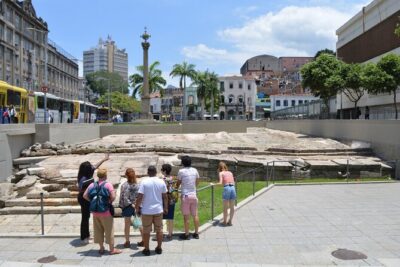
Explore Little Africa : Unveiling Afro Heritage in Rio de Janeiro
Read our review →
Learn the History of Rio with an Unforgettable City Center Walking Tour
Read our review →
Rio’s city walking tour: a glimpse of history and olympic legacy
Read our review →
Olympic Boulevard, Museum of Tomorrow & Historical Rio
Read our review →
Olympic Boulevard, Museum of Tomorrow & History Tour
Read our review →
Petropolis Bohemia: Historic tour and visit to the Bohemian Brewery
Read our review →Browse the lists this tour appears in