
Review · MUSEUM OF TOMORROW TICKETS
Museum of Tomorrow Guided Tour, Admission & Transfer
Rio’s Museum of Tomorrow is less about old objects and more about the choices you make today. Inside Santiago Calatrava’s striking waterfront building, you’ll move through interactive displays about climate, oceans, politics, technology, and human life. It is a thoughtful change from Rio’s usual beaches and viewpoints.
I like the way the museum connects science with art and culture, instead of presenting the future as a dry classroom lesson. I also like that your air-conditioned transfer includes two worthwhile stops in Porto Maravilha, especially the huge Kobra mural along Olympic Boulevard.
The main caution is timing. The tour is advertised at about four hours, with up to three hours at the museum, but one guide finished a visit in roughly two hours and a late pickup once cut museum time short. Confirm your pickup hour carefully.
Key points to know before booking
- The museum is the main event: Plan to spend at least 1.5 to 2 hours inside, and more if you like interactive exhibits.
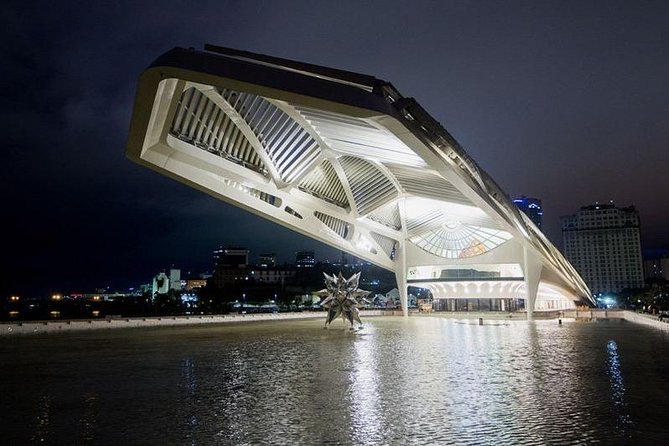
- Calatrava’s building is part of the attraction: The spaceship-like structure is especially impressive from the waterfront.
- Your transfer adds real value: Transport from the Hotel Rio Othon Palace saves you the trouble of arranging a ride across Rio.
- Porto Maravilha offers a different side of Rio: Mauá Square and Olympic Boulevard show the city’s newer cultural district.
- Guiding quality can shape the day: Jaqueline, Renato, Marcos, and Christian have all been praised for clear explanations, photos, and personal help.
- The schedule needs watching: Pickup time is confirmed after booking, and late transport may reduce your time inside.
Why the Museum of Tomorrow is worth your Rio time
Rio is easy to experience through scenery: the ocean, Sugarloaf Mountain, Copacabana, and the hills. The Museum of Tomorrow gives you something less obvious, a chance to think about how people use the planet and what kind of future their decisions create.
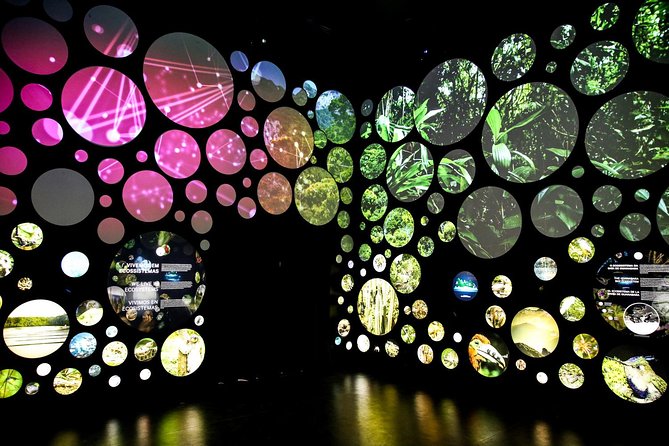
The subject matter covers human existence, environmental pressure, technology, science, art, and culture. The exhibits ask you to consider the effects of population growth, ocean change, political choices, and resource use. Some displays compare future risks with present-day figures, giving the subject a more concrete edge.
You should not expect a traditional museum filled with historic artifacts. This is an interactive, idea-driven visit. You may watch films, respond to digital displays, and move through spaces designed to make you consider the long-term effects of everyday choices.
That approach works best if you enjoy museums that ask questions rather than offer a neat collection of answers. If you prefer paintings, ancient objects, or a clear chronological story, the experience may feel unusual. For many people, that difference is the point.
More Museum of Tomorrow tickets:
- Olympic Boulevard, Museum of Tomorrow & Historical Rio
★ 4.5 · 66 reviews - Rio: Olympic Boulevard, AquaRio and Museum of Tomorrow Tour
★ 4.5 · 54 reviews - Rio: Olympic Boulevard, Museum of Tomorrow & History Tour
★ 4.1 · 47 reviews
Calatrava’s waterfront building sets the mood
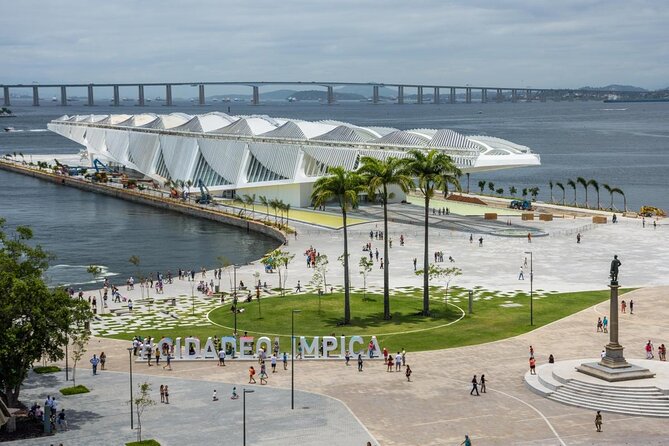
Before you even enter, the architecture gives the visit some drama. The building was designed by Santiago Calatrava and looks like a futuristic vessel projecting toward Guanabara Bay. Its white structure and open waterfront setting make it one of the most memorable modern buildings in this part of Rio.
The building was planned as a centerpiece of the Porto Maravilha regeneration project. That matters because the museum is not an isolated attraction. It sits within a district that has been reshaped with public spaces, murals, and cultural sites.
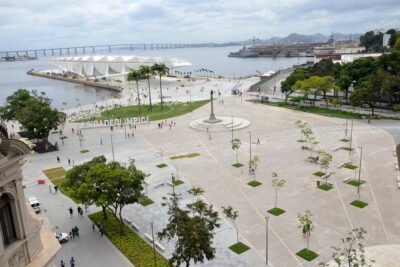
I suggest taking a moment to view the exterior before heading inside. The structure photographs well from Mauá Square and from the waterfront, and the harbor setting helps explain why this location was chosen. The cruise ship terminal is next door, adding to the strong sense of a working port district.
The design also supports the museum’s message. You are looking at a building that feels aimed at the future, then entering an exhibition about the future’s risks and possibilities. It is a more complete experience than seeing the architecture alone.
What happens during the three-hour museum stop
The scheduled museum visit is the heart of the tour. You have about three hours allocated here, though the actual time can depend on pickup delays, the guide’s pacing, and how much you choose to explore.
Your guide helps connect the displays to Rio, Brazil, and the wider world. Several guides have received especially warm praise. Jaqueline has been described as more than a driver, offering explanations and adjusting the visit to the group’s interests. Renato has been praised for information about the tour and local history. Marcos helped one participant with mobility concerns, while Christian assisted with explanations and took photographs.
Those details matter because the exhibits can be easier to understand with context. Much of the written material is in Portuguese, and one particularly positive account noted that the guide explained material about the Amazon. If you do not speak Portuguese, ask your guide to explain displays that catch your attention rather than trying to rush through every screen.
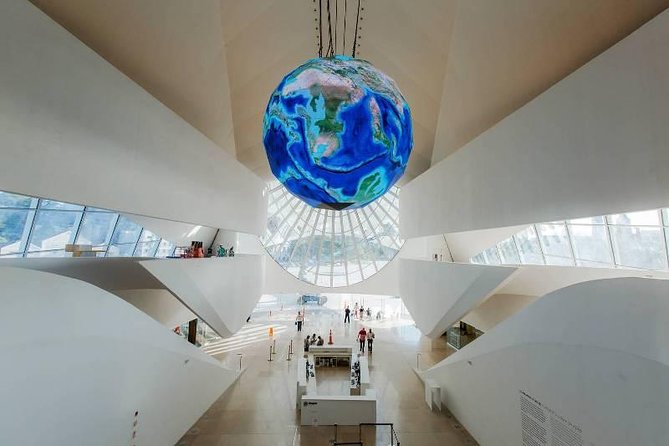
The museum uses technology heavily. You may find video presentations, interactive stations, and displays that compare present conditions with possible future outcomes. The presentation is designed to make large subjects feel personal. You are not simply reading about the planet, you are being asked to consider your role in what comes next.
Allow at least 1.5 hours if you want a proper look. Two hours may be enough for a brisk visit, but three hours gives you more breathing room for the interactive sections and the building itself. A short visit can still work, but it may leave you feeling that you only saw part of the museum.
Mauá Square brings the bay into view
After the indoor exhibits, the tour includes about 30 minutes at Mauá Square. This stop is free and mainly works as an outdoor pause, a photo opportunity, and a way to see the museum in its wider setting.
From the square, you can look toward Guanabara Bay and the waterfront. The statue of Barão de Mauá gives the place a historical reference point. Your guide can explain why this visionary figure gave the square its name.
This is not a long historical visit, so keep your expectations in proportion. You will not receive a full tour of Rio’s port history in half an hour. Instead, you get a useful connection between the museum’s future-focused message and the district’s past as a center of trade, industry, and transport.
I like this stop because it gives you room to reset after the indoor displays. It also lets you appreciate Calatrava’s building from outside. If you are interested in photography, this may be one of the best points for combining architecture, harbor views, and the broad public space.
More museums in Rio de Janeiro:
- Petrópolis Day Trip from Rio de Janeiro including Imperial Museum and Crystal Palace
★ 4.0 · 101 reviews - Rio de Janeiro: Flamengo Museum Ticket Entrance
★ 4.7 · 22 reviews - Rio: Museum of Tomorrow, Yup Star & Olympic Boulevard
★ 3.7 · 3 reviews
Olympic Boulevard and the Kobra mural
The final listed stop is Olympic Boulevard, created for the 2016 Olympic Games. It has become known for large-scale street art, including Kobra’s Mural das Etnias, described as the biggest graffiti mural in the world.
You will have about 30 minutes to walk and look around. The mural is the main reason to visit. Its scale makes it difficult to absorb in a single glance, so use the time to walk along it and view the faces from different angles.
This stop gives you a different picture of Rio. The museum presents a polished, technology-focused vision of tomorrow. Olympic Boulevard adds color, public art, and a more open-air urban feel. Together, the two stops show Porto Maravilha as a district shaped by redevelopment, art, and public space.
The visit is brief, so do not expect a full street-art tour. You will have time for the mural and the nearby public area, not an extended exploration of every side street. Still, it is a strong addition to the museum because it breaks up the indoor portion and gives you memorable photographs.
Is the $58 price good value?
At $58 per person, the package includes an air-conditioned vehicle and admission to the Museum of Tomorrow. Food and drinks are not included. The tour begins at the Hotel Rio Othon Palace in Copacabana and returns there at the end.
The value depends on how useful you find the transfer. If you are staying near Copacabana and do not want to arrange your own transport to Porto Maravilha, the included vehicle saves time and removes one practical task. You also get a guide, museum entry, and two nearby stops in one half-day outing.
If you are comfortable arranging transport yourself and prefer to set your own pace, buying museum admission separately may give you more freedom. The guided format is best for you if local explanation, pickup, and a planned route matter more than complete independence.
The vehicle capacity is listed at up to 19 people per minivan, with a maximum of 99 participants for the activity overall. That suggests the broader operation can be larger, while your individual vehicle may be smaller. Ask about your assigned pickup and group if a small-group feel is important to you.
For pickups in Barra or Recreio, there is an additional $10 per person paid directly to the guide. That extra cost should be included in your calculation before booking.
Timing, pickup, and the small details that matter
The meeting point is the Hotel Rio Othon Palace at Avenida Atlântica 3264 in Copacabana. The activity ends at the same meeting point. The exact pickup time is arranged after booking, so check your email and phone for the final details.
This is one area where you should be proactive. If you have a dinner reservation, flight, or another fixed appointment, leave plenty of space after the stated four-hour duration. Traffic and hotel pickups can affect the schedule, and one poor experience involved a late pickup that reduced time at the museum.
Comfortable clothing and walking shoes are sensible. You will move through museum spaces and spend time outdoors at Mauá Square and Olympic Boulevard. Bring a phone or camera for the building, harbor, and mural, but food and drinks are your responsibility because they are not included.
Most people can take part. If requested, you may need to present a copy of your ID. One guide was praised for helping someone with mobility issues, but the available information does not promise a specific accessibility arrangement, so contact the operator before booking if you need particular assistance.
The tour requires at least two participants to operate. If that minimum is not reached, the operator may reschedule the experience or offer another option. The tour also depends on good weather, since the outdoor portions are part of the plan.
Who will get the most from this tour?
I would choose this experience if you have already seen some of Rio’s classic sights and want a more modern, thoughtful outing. It also suits first-time visitors who want a simple way to reach Porto Maravilha without arranging separate transport.
Families with older children may appreciate the interactive format, especially if a conventional museum would lose their attention. Science-minded visitors, architecture fans, photographers, and anyone curious about climate and technology should find plenty to consider.
The tour is also a good fit for solo visitors. A guide can make the museum easier to approach, and the included transport removes the awkwardness of navigating an unfamiliar district alone. Solo participants have found the experience especially worthwhile when the guide was engaged and attentive.
I would hesitate if you want a completely self-directed visit. The museum has enough material to justify a longer, slower stay, and the fixed route may feel restrictive if you prefer to linger at every display. I would also think twice if your main interest is historic Rio, since this is a contemporary museum with only a short stop focused on Barão de Mauá.
The guide makes a real difference. The strongest experiences have involved guides who explained the displays, adapted to personal interests, helped with photographs, or offered practical assistance. At the same time, guide quality may vary. One account described weak English and a visit that felt more like supervision than guiding, while another noted a lack of German guidance. If language is important to you, confirm it before departure.
Should you book the Museum of Tomorrow tour?
Book it if you want a four-hour, transport-included visit that combines a striking modern museum with Guanabara Bay views and one of Rio’s great public murals. The $58 price is reasonable when you value admission, air-conditioned transport, and a guide who adds context.
Give yourself enough time inside, confirm pickup details, and do not schedule anything immediately afterward. If you want the museum alone and prefer complete control over your pace, go independently. If you want an easy half-day with architecture, technology, public art, and a glimpse of a changing part of Rio, this tour makes a strong case.
FAQ
Where does the tour begin?
It begins at the Hotel Rio Othon Palace, located at Avenida Atlântica, 3264, Copacabana, Rio de Janeiro.
Where does the tour end?
The activity ends back at the same meeting point, the Hotel Rio Othon Palace.
How long does the experience last?
The tour lasts approximately four hours. The museum portion is scheduled for about three hours, followed by roughly 30 minutes at Mauá Square and 30 minutes at Olympic Boulevard.
Is museum admission included?
Yes. Admission to the Museum of Tomorrow is included in the tour price.
Are food and drinks included?
No. Food and drinks are not included, so you should plan for those separately.
Is transportation included?
Yes. The tour includes transport in an air-conditioned vehicle. Pickup from Barra or Recreio costs an additional $10 per person, paid directly to the guide.
How many people can join the tour?
The vehicle can hold up to 19 people per minivan. The activity listing also gives a maximum of 99 participants overall.
Can I cancel for a full refund?
Yes, if you cancel at least 24 hours before the scheduled start time. Cancellations made less than 24 hours in advance are not refunded. If bad weather or an insufficient number of participants causes cancellation, you will be offered another date or experience, or a full refund.
Just added around Rio de Janeiro
- Vidigal Favela Tour★ 4.4 · 26 reviews
- Hang gliding flight in Rio de Janeiro★ 5.0 · 6 reviews
- Rio de Janeiro: Zip Lining and Canopy Tree Tour★ 3.3 · 6 reviews
- Tijuca Forest Hike – Waterfalls & Caves, Nature & Wild Life!★ 5.0 · 51 reviews
- Unforgettable Boat Party★ 5.0 · 3 reviews
- Guided Tour to Favela Santa Marta★ 5.0 · 60 reviews
- Rio de Janeiro: Attend a Vasco da Gama game with local guide★ 4.8 · 9 reviews
- Rio Highlights: Christ, Sugarloaf, and More in a Private Tour★ 5.0 · 36 reviews
Museum of Tomorrow Tickets, compared.
Olympic Boulevard, Museum of Tomorrow & Historical Rio
Read our review →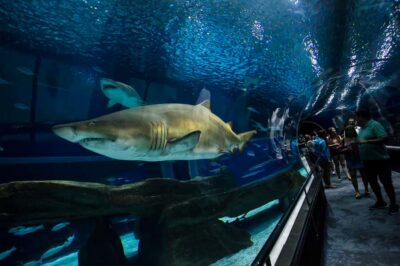
Olympic Boulevard, AquaRio and Museum of Tomorrow Tour
Read our review →
Olympic Boulevard, Museum of Tomorrow & History Tour
Read our review →
Browse the lists this tour appears in