
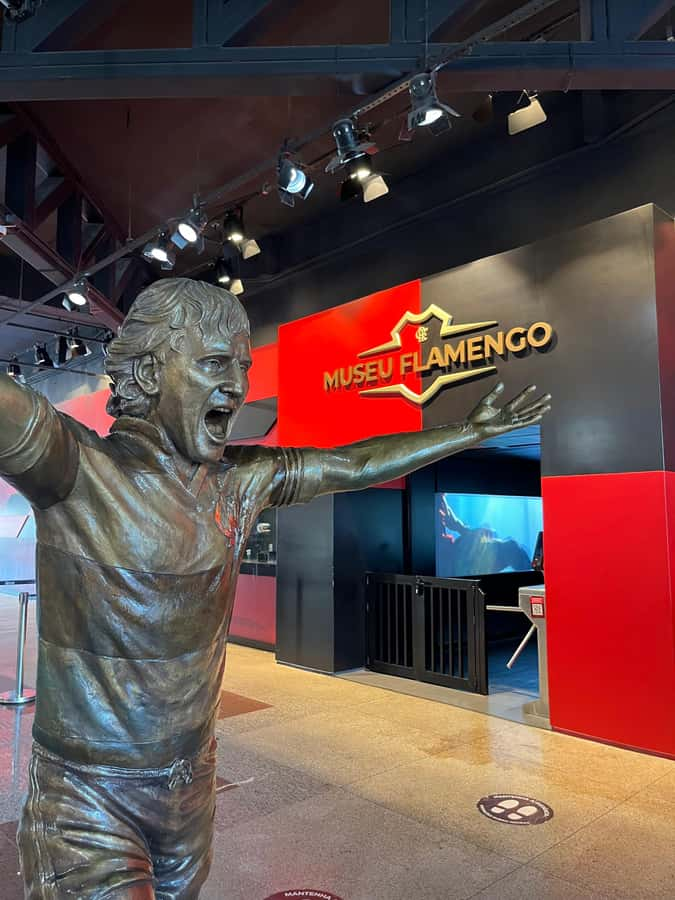
Review · MUSEUMS
Rio de Janeiro: Flamengo Museum Ticket Entrance
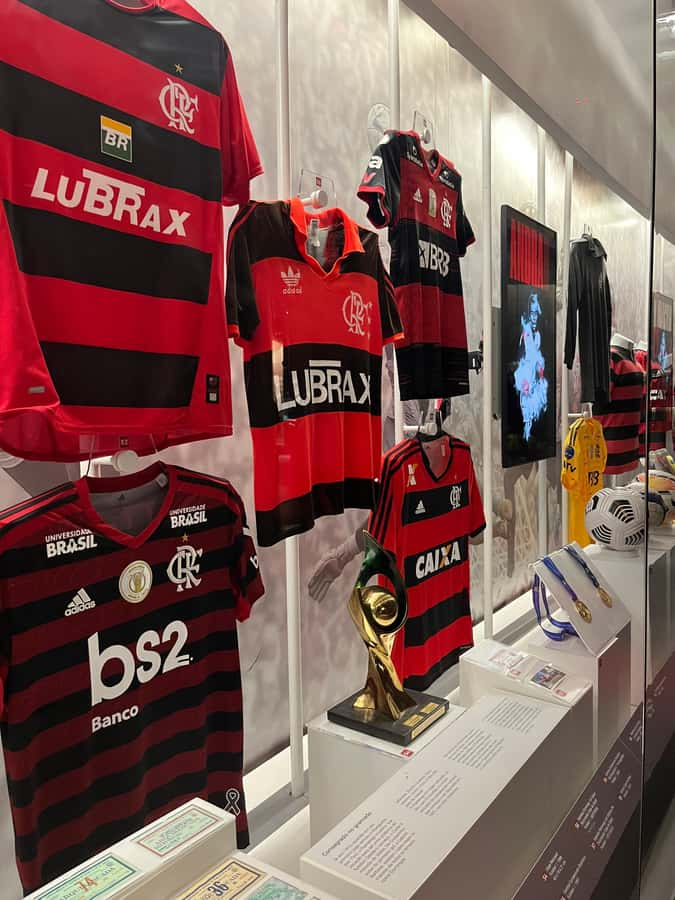
Flamengo Museum takes you from the club’s beginnings as a sailing organization in 1895 to its place as one of Brazil’s biggest football powers. The centerpiece is a four-floor trophy room, supported by 14 themed sections with giant screens, historic objects, and sensory displays.
I like the mix of Flamengo’s many sports with its football story, and I like that the digital guide works in English, Spanish, and Portuguese. The main drawback is simple: this is a museum visit, not a tour of the Gávea headquarters, and strict rules limit food, drinks, photography, and what you can bring inside.
Key points to know before you go
- Four floors of trophies give the visit a clear sense of scale and make this more than a small club display.
- Fourteen themed sections use screens, interactive features, and sensory settings to present Flamengo’s story.
- The story begins in 1895, when Flamengo was a sailing club rather than a football giant.
- The Gávea location puts you inside the club’s headquarters in Rio’s south zone.
- The digital guide is available in three languages, English, Spanish, and Portuguese.
- The $18 ticket is strongest for sports fans, especially anyone who wants context behind Flamengo’s colors, symbols, idols, and trophies.
From a 1895 sailing club to a football powerhouse
The most useful way to approach Flamengo Museum is to forget that it is only a football museum. Its story begins in 1895, when Clube de Regatas do Flamengo was founded as a sailing club. Football later became the club’s global calling card, but the museum keeps the wider sporting identity in view.
That starting point gives the visit a better shape. You are not simply moving past jerseys and cups. You are following the club’s change from a rowing and sailing organization into a major force in Brazilian sport.
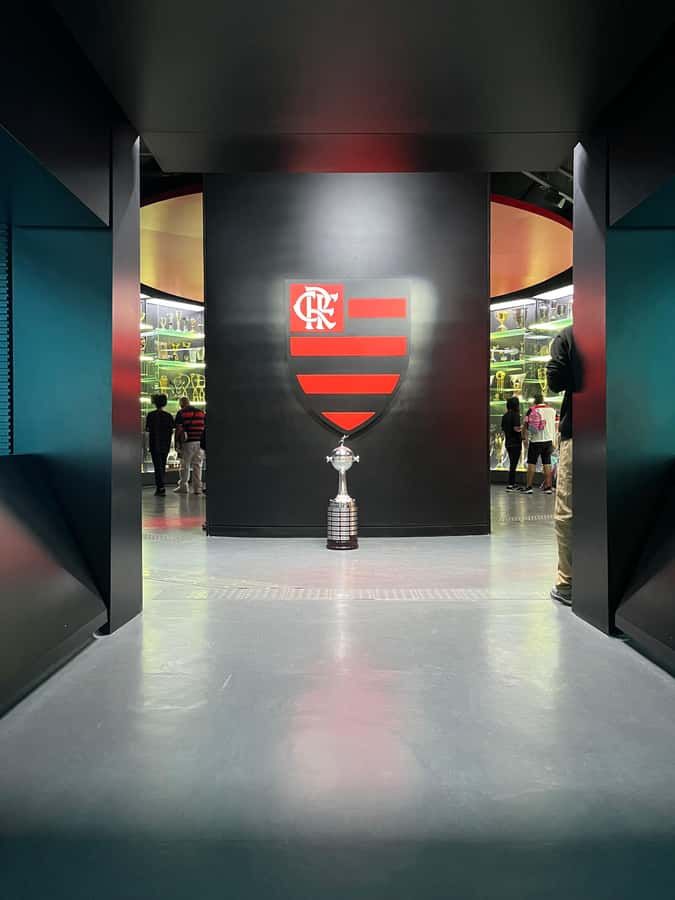
The emphasis on logos and symbols is one of the more interesting parts of the visit. Flamengo’s visual identity carries a lot of weight with its supporters, and the displays help explain how the rubro-negro colors and club marks became part of the institution’s public face.
I would pay close attention to the historical objects rather than rushing straight toward the biggest football moments. They connect the early club to the later sporting machine and give the museum more substance than a simple wall of achievements.
More museums in Rio de Janeiro:
- Petrópolis Day Trip from Rio de Janeiro including Imperial Museum and Crystal Palace
★ 4.0 · 101 reviews - Olympic Boulevard, Museum of Tomorrow & Historical Rio
★ 4.5 · 66 reviews - Rio: Olympic Boulevard, AquaRio and Museum of Tomorrow Tour
★ 4.5 · 54 reviews
Four floors built around Flamengo’s trophies
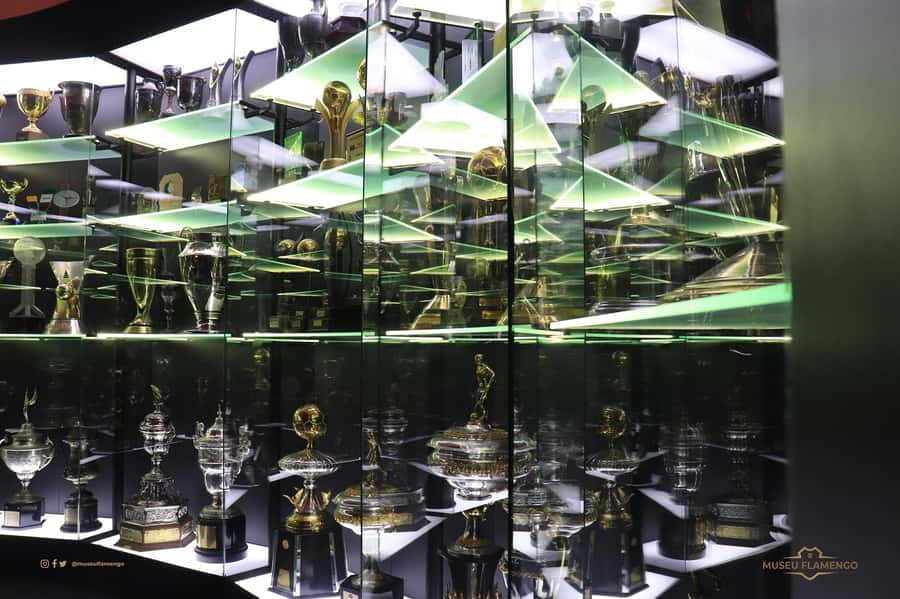
The trophy room is spread over four floors, which is a useful detail to know before you arrive. This is not a single cabinet in a hallway. The vertical layout makes the club’s success feel large, and it gives you a clear reason to move through the museum in stages.
You can expect the collection to be presented alongside the club’s broader story, rather than as an isolated list of wins. The historical objects, club symbols, and displays of sporting idols help place the trophies in context.
For a dedicated Flamengo supporter, the cups are likely to be the emotional core of the visit. You can see the physical proof of the club’s achievements, then connect those objects with the images and stories in the surrounding sections.
For a casual football fan, the number of trophies may be less important than the way the collection shows Flamengo’s reach. The museum makes the point through scale, presentation, and the club’s long sporting record.
The one limitation is that the supplied information does not provide a detailed trophy list or name specific pieces. If you are looking for one particular title, player, or object, check the current museum information before booking rather than assuming it will be displayed.
Fourteen sections with screens and sensory settings
The museum includes 14 themed sections, mixing technology, interactive features, and emotional presentation. Giant screens and sensory environments place you close to the club’s most memorable moments without turning the visit into a standard text-heavy history display.
That format will suit you if you enjoy seeing history presented through images, sound, and atmosphere. It also helps visitors who may not know every date or player. You can understand the importance of a moment through the presentation, then use the guide to add more background.
I like this approach because football is often remembered through feeling as much as fact. A trophy can tell you who won. A large screen or carefully designed room can show why a moment mattered to supporters.
The tradeoff is that a technology-led museum can feel less personal than a traditional collection. If you prefer long written panels, quiet display cases, or a detailed archive, the 14 themed sections may feel brisk and highly produced. The museum is designed to make you feel involved, not to function as a research library.
Use the digital guide to slow things down when a section catches your attention. The guide is available in English, Spanish, and Portuguese, so you can follow the material without relying only on visual cues.
The Flamengo identity beyond football
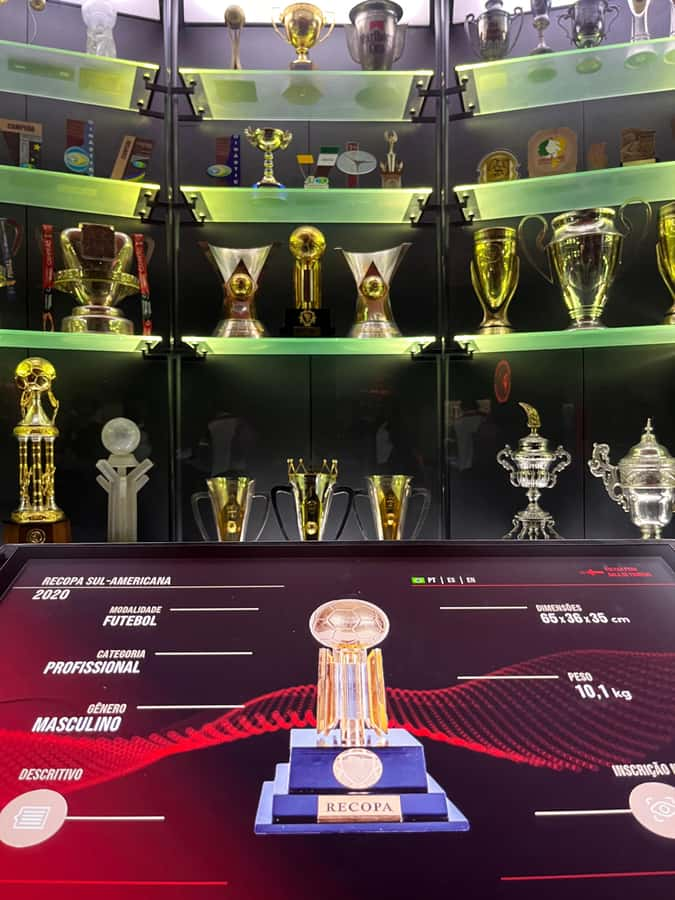
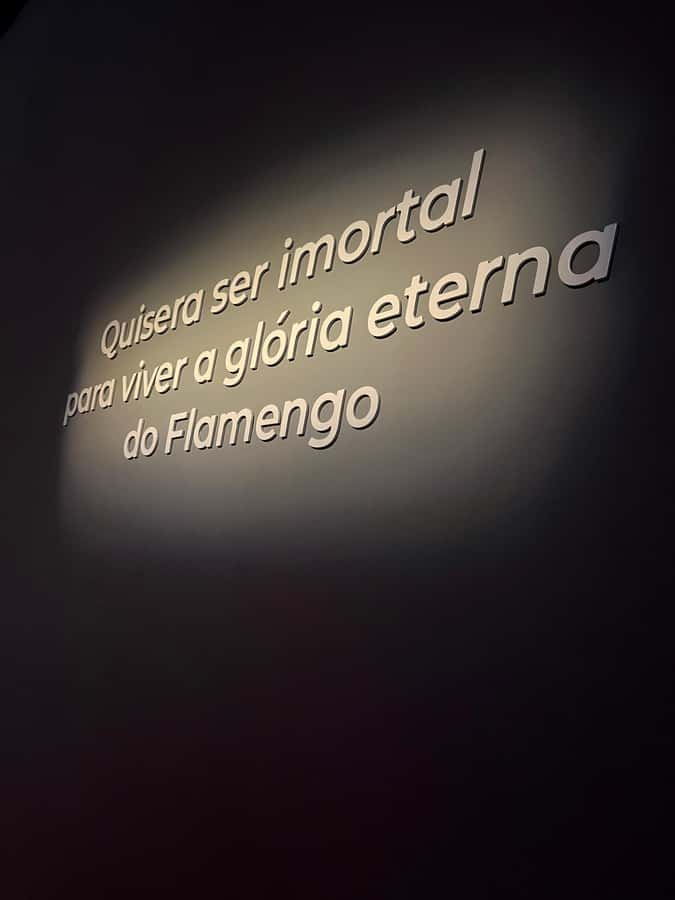
One of the museum’s strengths is its attention to idols from several sports. Flamengo is widely known for football, but the club’s identity is broader. The displays connect football success with the other sports and athletes associated with the organization.
That matters if you are visiting with someone who is not a serious football fan. The museum offers more entry points than match results alone. A visitor interested in club culture, Brazilian sport, design, or the history of Rio’s institutions can still find reasons to pay attention.
The club’s symbols also receive special treatment. A visit can be useful if you want to understand why Flamengo’s colors, crest, and visual style carry such strong meaning. The focus on logos and club history is not a minor detail. It shows how a sports organization turns its identity into something supporters recognize instantly.
The material is best enjoyed with some patience. Give yourself time to look at the objects, read what is available, and notice how the museum links the different sports. You will get more from it if you treat the visit as a story about belonging, not just a list of victories.
More tickets in Rio de Janeiro:
- Christ the Redeemer Entry Ticket by Corcovado Train
★ 4.4 · 4,476 reviews - Skip the Line Christ the Redeemer Admission Ticket
★ 4.0 · 508 reviews - Rio de Janeiro: Marine Aquarium Entry Tickets
★ 4.2 · 373 reviews - Rio: Sugarloaf Cable Car and Corcovado Train Tickets
★ 4.0 · 267 reviews
What the Gávea setting means for your visit
The museum is at Clube de Regatas do Flamengo’s headquarters in the Gávea neighborhood, south of Rio de Janeiro. That location gives the visit a direct connection to the club itself, rather than placing the collection in a separate downtown exhibition space.
The ticket covers the museum, not a tour of Gávea. Keep that distinction clear when planning your day. You can visit the exhibition at the headquarters, but you should not expect a wider behind-the-scenes tour of the club grounds.
The duration is listed as one day, which means the ticket is valid for that day rather than describing a fixed guided walking route. You need to check the available starting times when booking. The supplied information does not give a fixed visit length, so plan around your own pace instead of assuming a set two-hour schedule.
This flexibility is useful on a Rio itinerary. You can fit the museum into a day in the south of the city without committing to a long excursion. On the other hand, you will need to manage your timing because the booking information does not supply a detailed schedule for each section.
Is $18 good value?
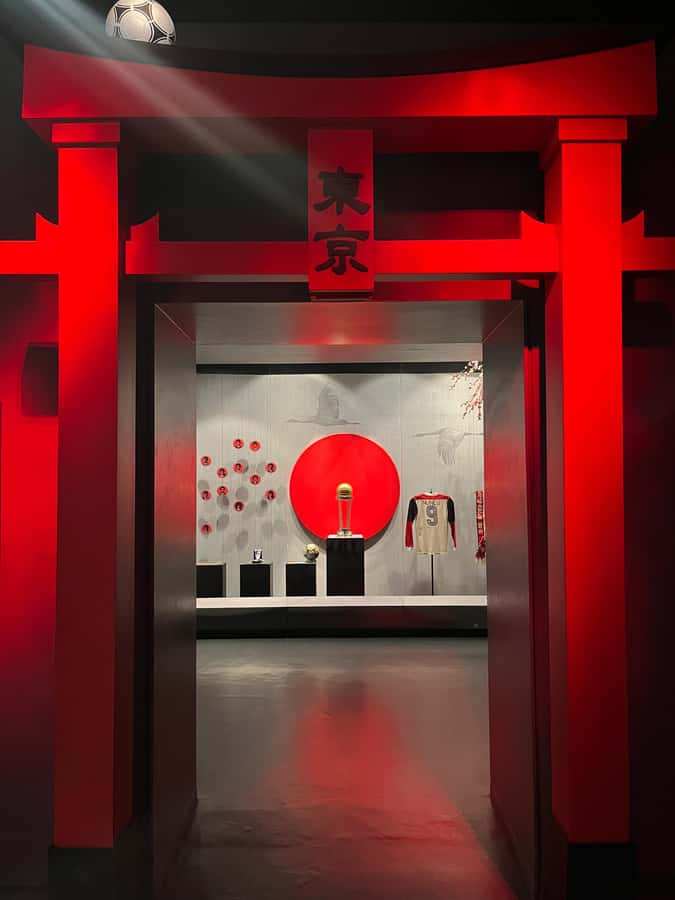
At $18 per person, I see the ticket as fair value for a committed Flamengo supporter and reasonable value for a football fan who wants a focused museum visit. The price pays for more than a trophy display. You are getting four floors, 14 themed sections, the digital guide, and a presentation that uses large screens and sensory environments.
The value is less clear if you have no interest in Flamengo or sports. The museum is built around the club’s own story, symbols, athletes, and achievements. You will not be visiting a general museum about Rio de Janeiro or Brazilian football as a whole.
I would also consider the visit’s location and your personal interest. If you are already planning time near Gávea, $18 is easier to justify. If you need to make a long cross-city trip only for the museum, you should be a stronger fan before booking.
The ticket includes the digital guide in English, Spanish, and Portuguese, which is important for international visitors. Food and drinks are not included, though the museum’s rules also prohibit bringing them inside. The ticket does not include a Gávea tour.
Free cancellation is available up to 24 hours before the activity for a full refund, and you can reserve now and pay later. Those options reduce the risk if your Rio schedule is still changing.
Rules that can affect how you pack
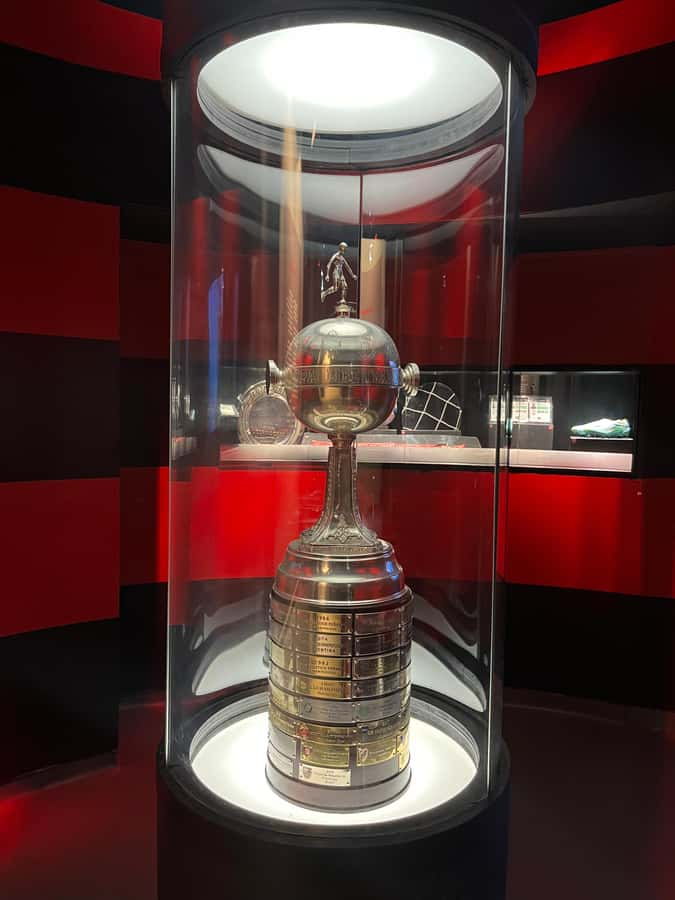
The museum has strict entry rules. Food, drinks, plastic bags, glass objects, weapons, sharp objects, alcohol, drugs, and smoking materials are not allowed. Smoking and vaping are expressly forbidden on the museum premises.
Sportswear is also listed among the prohibited items, so check your clothing before you go. That rule is unusual for a sports museum and deserves attention, especially if you plan to visit straight from another football-related activity.
Pets are not allowed, although assistance dogs are permitted. Scooters are prohibited, and visitors cannot make fires inside the premises. Unaccompanied minors are not permitted.
Your phone should be on airplane mode or silent. Photography with flash and filming are not allowed, so do not plan to record every screen or recreate the displays for social media. These restrictions protect the presentation and keep the rooms calmer, but they can surprise you if you arrive expecting a typical photo-friendly attraction.
Because food and drinks are not allowed, plan to eat before or after the visit. The information supplied does not identify an on-site café or dining area, so do not count on buying refreshments inside.
Who will get the most from Flamengo Museum?
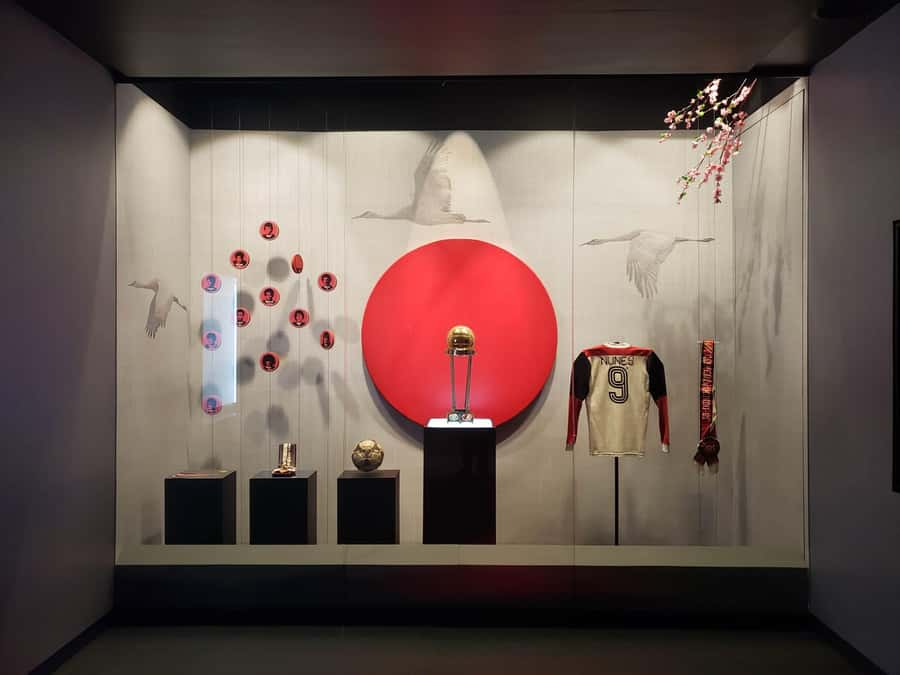
I would recommend the museum first to Flamengo supporters, football fans, and anyone curious about how a Brazilian sports club grows into a major cultural identity. The combination of club symbols, sporting idols, trophies, and technology gives you several ways to connect with the material.
It is also a good choice for families with older children who already know Flamengo or enjoy sports displays. The giant screens and sensory spaces may hold attention better than a conventional museum made mostly of written panels.
International visitors benefit from the three language options. If you do not speak Portuguese, the English or Spanish digital guide gives you a better chance to follow the club’s story rather than simply looking at objects without context.
I would be more cautious if you are looking for a general Rio attraction, a stadium tour, or a broad survey of Brazilian football. This museum has a clear point of view. It celebrates Flamengo and its sporting journey, rather than trying to cover every club or every era of the game.
The rating attached to the experience is 4.7 from 22 reviews, and the strongest themes are easy to understand: visitors respond to the emotional presentation, the Rubro-Negro atmosphere, the club’s history, and the chance to see its symbols and products. That fits the design of the museum. It is made to create a sense of connection, not just to store objects.
A practical way to plan your visit
Before booking, check the available starting times and choose a day when you can give the museum your full attention. The ticket is valid for one day, but the supplied information does not state a fixed visit duration.
Wear clothing that complies with the museum’s rules, and leave food, drinks, plastic bags, sharp objects, and prohibited items behind. Put your phone on silent or airplane mode before entering so you do not have to adjust it once inside.
Start with the club’s origins if the route allows it. The 1895 sailing-club story gives meaning to everything that follows. Then take your time with the logos, objects, sporting idols, and trophy displays before moving through the screen-based sections.
Use the digital guide in your preferred language. English, Spanish, and Portuguese are supported, and the guide can help you understand why a symbol, athlete, or moment matters even if you do not already follow Flamengo.
Finally, treat the museum as a self-contained club experience. Do not expect the ticket to include a tour of Gávea, food, drinks, or a wider stadium visit.
Should you book Flamengo Museum?
Book it if you want a close look at Flamengo’s identity, from its 1895 sailing roots to its rise as a football powerhouse. The four-floor trophy room, 14 themed sections, digital guide, and strong visual presentation make the $18 ticket a sensible buy for supporters and serious football fans.
Skip it if you are seeking a general history of Rio, a full Gávea tour, or an attraction with loose photography and dining rules. For the right audience, this is an emotional and carefully designed club museum. For everyone else, the narrow focus may not justify fitting it into a busy Rio schedule.
FAQ
Where is Flamengo Museum located?
It is located at the headquarters of Clube de Regatas do Flamengo in the Gávea neighborhood, in the south of Rio de Janeiro.
How much does admission cost?
The listed price is $18 per person.
How long is the ticket valid?
The ticket is valid for one day. Check availability for the available starting times.
What languages are available for the digital guide?
The digital guide is available in English, Spanish, and Portuguese.
Does admission include a tour of Gávea?
No. The ticket includes the museum experience but does not include a tour of Gávea.
Can I cancel and receive a refund?
Yes. You can cancel up to 24 hours in advance for a full refund.
Can I reserve now and pay later?
Yes. The booking option allows you to reserve your place and pay later.
Can I bring food, drinks, or pets?
No. Food and drinks are not allowed, and pets are prohibited. Assistance dogs are allowed.
Just added around Rio de Janeiro
- Vidigal Favela Tour★ 4.4 · 26 reviews
- Hang gliding flight in Rio de Janeiro★ 5.0 · 6 reviews
- Rio de Janeiro: Zip Lining and Canopy Tree Tour★ 3.3 · 6 reviews
- Tijuca Forest Hike – Waterfalls & Caves, Nature & Wild Life!★ 5.0 · 51 reviews
- Unforgettable Boat Party★ 5.0 · 3 reviews
- Guided Tour to Favela Santa Marta★ 5.0 · 60 reviews
- Rio de Janeiro: Attend a Vasco da Gama game with local guide★ 4.8 · 9 reviews
- Rio Highlights: Christ, Sugarloaf, and More in a Private Tour★ 5.0 · 36 reviews
Museums, compared.
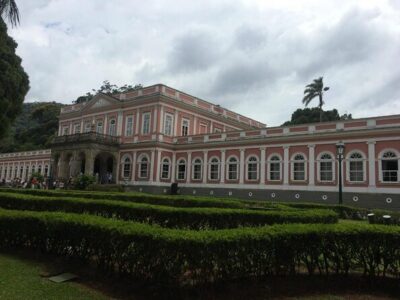
Petrópolis Day Trip from Rio de Janeiro including Imperial Museum and Crystal Palace
Read our review →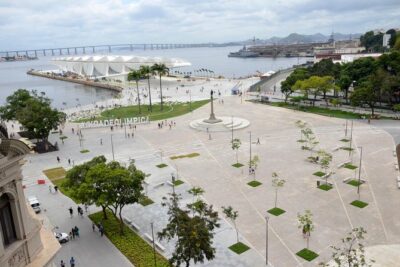
Olympic Boulevard, Museum of Tomorrow & Historical Rio
Read our review →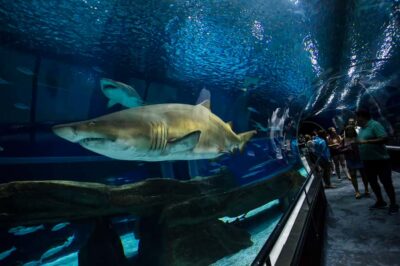
Olympic Boulevard, AquaRio and Museum of Tomorrow Tour
Read our review →
Olympic Boulevard, Museum of Tomorrow & History Tour
Read our review →
Museum of Tomorrow Guided Tour, Admission & Transfer
Read our review →
Browse the lists this tour appears in