
Review · RIO FAVELA TOURS
Rio de Janeiro: Favela Santa Marta Top Tour with Local Guide
Santa Marta makes the most sense when you walk it with someone who belongs there. This tour takes you through steep lanes, viewpoints, music, local projects, and the famous Michael Jackson filming site, while your guide explains how daily life works in the community.
I like the resident-led approach and the chance to visit a guide’s home, which gives the tour a human scale. I also like the mix of samba, football, social projects, and big Rio views. The main drawback is that this is a walking tour through steep, uneven areas, so it is not suitable for wheelchair users and may feel tiring in hot or rainy weather.
What makes this Santa Marta tour different
- A guide from Santa Marta: Guides such as Mario, Marco, Luis, Luiz, Raycca, and Caro have been praised for their warm welcome and local insight.
- Michael Jackson Square: See the statue and the spot used for They Don’t Care About Us.
- A real community visit: The route can include a guide’s home, where you get a closer look at ordinary life in Santa Marta.
- Samba and football: Meet local musicians and, when possible, join a casual game with children from the community.
- Social projects: Learn about Santa Horta, community gardens created on former rubbish sites.
- Rio from above: Mirante Dona Marta and other viewpoints give you a broad look at the South Zone.
Walking into Santa Marta with a local guide
The tour begins at the Tourist Information Stand near Praça Corumbá. From there, your guide leads you into Santa Marta and handles the route through its narrow lanes and stairways. This matters because the favela is not laid out like a normal sightseeing district. Signs are limited, and digital maps do not show every passage clearly.
I would not treat this as a place to wander alone. That is not only a safety question. You would also miss the stories, introductions, and small details that make the visit worthwhile. Guides are known in the community, and that changes the tone of the walk. Instead of simply looking at homes and streets, you have someone who can explain what you are seeing and introduce you to the place with respect.
The company was created by residents of Santa Marta and presents itself as a community-based operation. That gives the price of about $28 per person more weight than a simple sightseeing ticket. Your money pays for a local guide and helps support artists, social projects, and small businesses connected with the community.
Still, keep your expectations realistic. This is a visit to a working residential area, not a polished attraction built for sightseeing. You may see rubbish, unfinished areas, tight alleys, and the signs of limited public support. That is part of the reality being explained, not something the tour can solve in three hours.
More favela tours in Rio de Janeiro:
- Rio de Janeiro: Rocinha Favela Walking Tour with Local Guide
★ 4.8 · 3,052 reviews - Rio De Janeiro: Half-Day Rocinha Favela Walking Tour
★ 4.7 · 2,272 reviews - Rio de Janeiro: Favela Santa Marta Tour with Resident Guide
★ 4.6 · 220 reviews
Mirante Dona Marta and the first big view
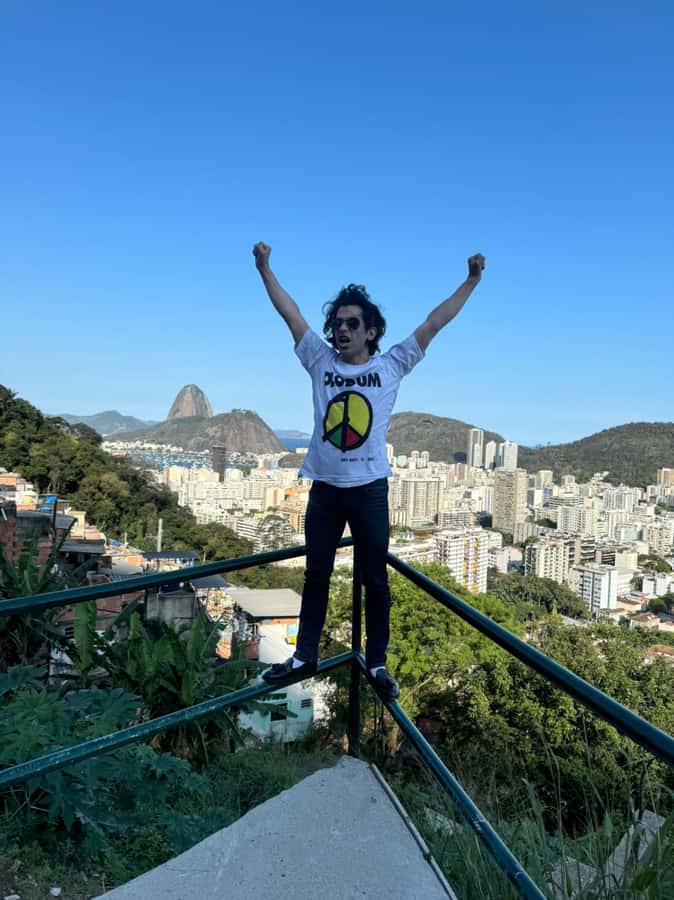
One of the early parts of the route includes a transfer of about 25 minutes and a stop at a viewpoint. The tour also includes a visit to Mirante Dona Marta, with time for photographs. From these higher points, you can look across Rio’s South Zone and understand how Santa Marta sits within the city.
This is a useful opening because it gives you a map in your head. Rio can seem like a collection of beaches, mountains, and separate neighborhoods when viewed from street level. From above, the relationship between the hillside communities and the wealthier parts of the city becomes clearer.
Bring water, sunscreen, a hat, and shoes with a firm grip. The view is a highlight, but the climb and heat can make the route demanding. The exact order of the viewpoints may vary, and the full experience lasts between two and a half and three hours.
The listed tram ticket is included. The separate transfer item is not included, so check what transport you need to reach Praça Corumbá. Do not assume that getting to the meeting point is part of the price.
Michael Jackson Square and Santa Marta’s place in pop culture
The Michael Jackson stop is the best-known sight on the route. The singer filmed the music video for They Don’t Care About Us in Santa Marta, and a statue now marks the site. You can stop for photographs while your guide explains the connection between the community and the production.
The appeal goes beyond celebrity recognition. The location shows how Santa Marta has been seen by the outside world, and the guide can help place that image beside everyday life. You are not only looking at a famous backdrop. You are standing in a residential community where people live, work, raise families, and run small businesses.
The tour also includes filming locations linked to Fast & Furious 5. These stops will appeal to film fans, but they should not be the only reason you book. The film references are brief parts of a broader walk, rather than a dedicated movie tour.
Photography needs a little common sense here. Ask before taking close-up pictures of people, homes, or children. Your guide can help you understand what is appropriate.
The guide’s home, where the tour becomes personal
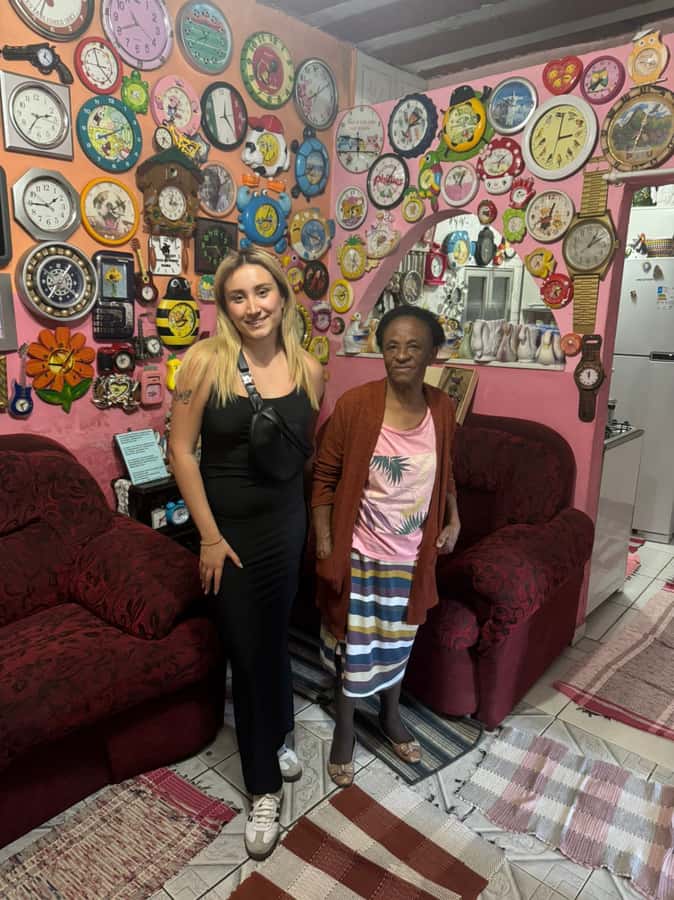
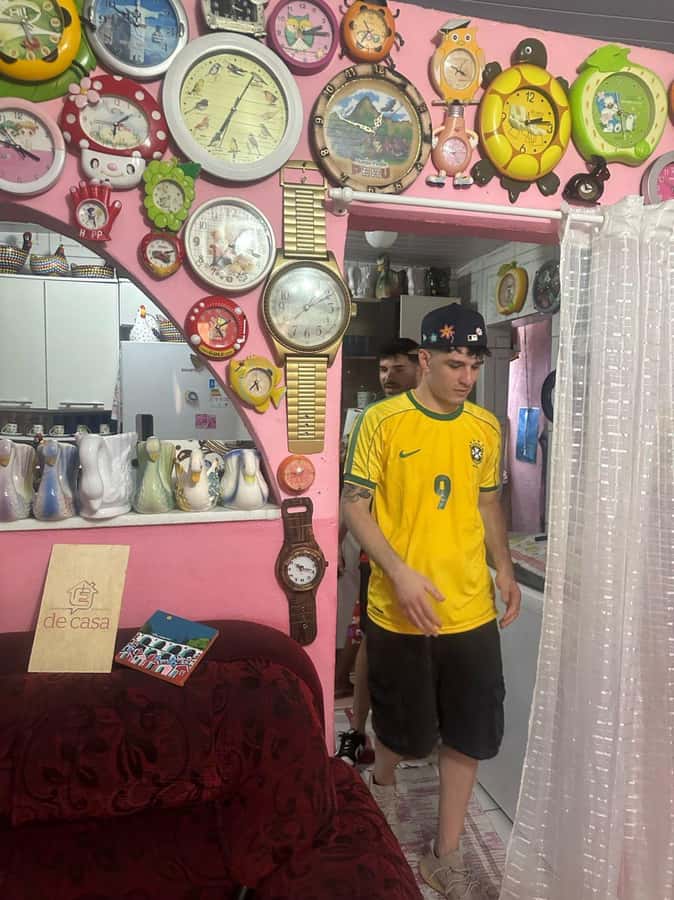
The visit to a guide’s home is one of the most unusual parts of this experience. Guides including Mario, Marco, and Luiz have welcomed groups into their own homes, giving you a view of Brazilian domestic life that you will not get from a lookout or a photo stop.
This is also where the tour can feel less like a sightseeing circuit and more like a conversation. You can ask about growing up in Santa Marta, the rules and routines of the community, family life, and the changes the area has seen. Several guides have spent their entire lives in the favela, and that long connection gives their explanations a personal edge.
The experience depends on the guide assigned to your group. Names that appear in the tour’s recent feedback include Mario, Marco, Luis or Luiz, Raycca, Caro, and others. Their English ability varies. One particularly useful piece of advice is to listen closely and ask questions again if a point is unclear. Some guides speak excellent English, while others may use a mix of English, Portuguese, and Spanish.
That language mix is not necessarily a problem, but it is worth knowing before you book. Live guiding is available in English, Portuguese, and Spanish. If you want a precise, lecture-style tour, the experience may feel informal. If you want a direct exchange with someone who lives there, the relaxed format is a strength.
A few more Rio de Janeiro tours worth weighing up
- Rio de Janeiro: Guided Jeep Tour through Tijuca Rainforest
★ 4.3 · 740 reviews - Jeep Adventure: Guided Tour through Tijuca Rain Forest
★ 4.0 · 554 reviews - Rio: Favela Rocinha Tour with Local Guide & Secret Spots
★ 4.7 · 218 reviews - Rio de Janeiro: Private Guided City Tour
★ 4.6 · 207 reviews
Samba, football, and the living culture of Santa Marta

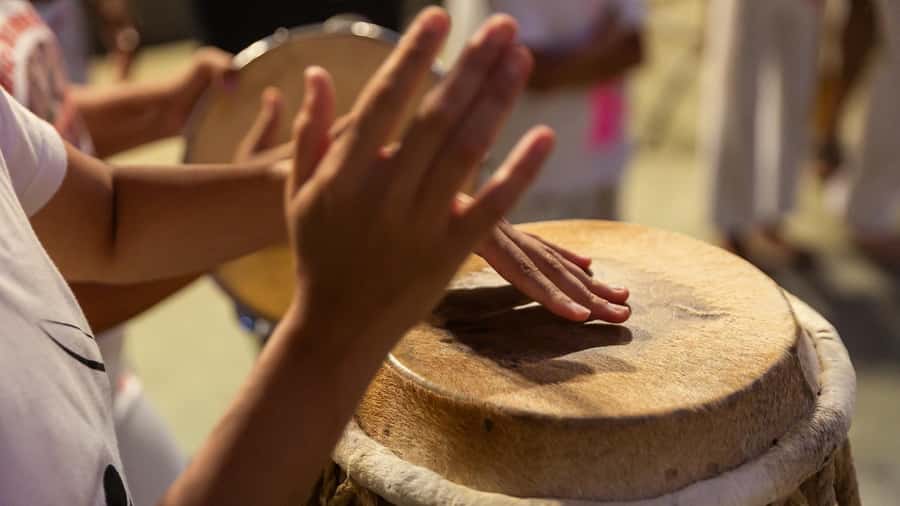
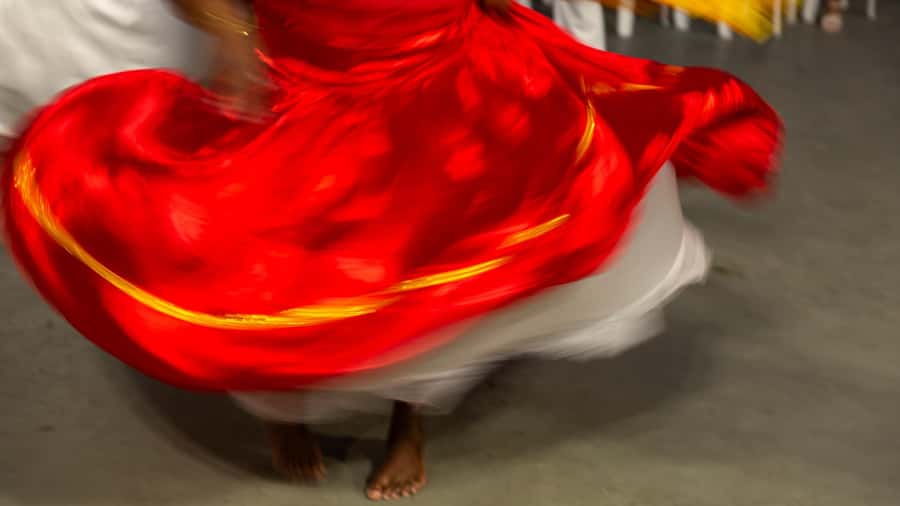
The cultural part of the tour includes a roda de samba performed by local musicians. Samba here is not just a stage show added for tourists. It is presented as a local tradition, with residents supplying the music and atmosphere.
You may also have the chance to play football with children from the community. Families have especially appreciated this part of the visit, though it is best understood as a casual opportunity rather than a guaranteed match. If you do join in, keep it friendly and brief. The point is contact, not turning local children into entertainment.
These activities help balance the more serious parts of the tour. Santa Marta is discussed in terms of poverty, public services, rubbish, security, and limited government support. Those subjects matter, but the community is not defined only by hardship. Music, sport, humor, friendship, and pride are equally important to the picture.
The best approach is to participate without taking over. Listen to the musicians, follow your guide’s lead, and ask before photographing people. A little courtesy goes a long way.
Santa Horta and the community’s social work
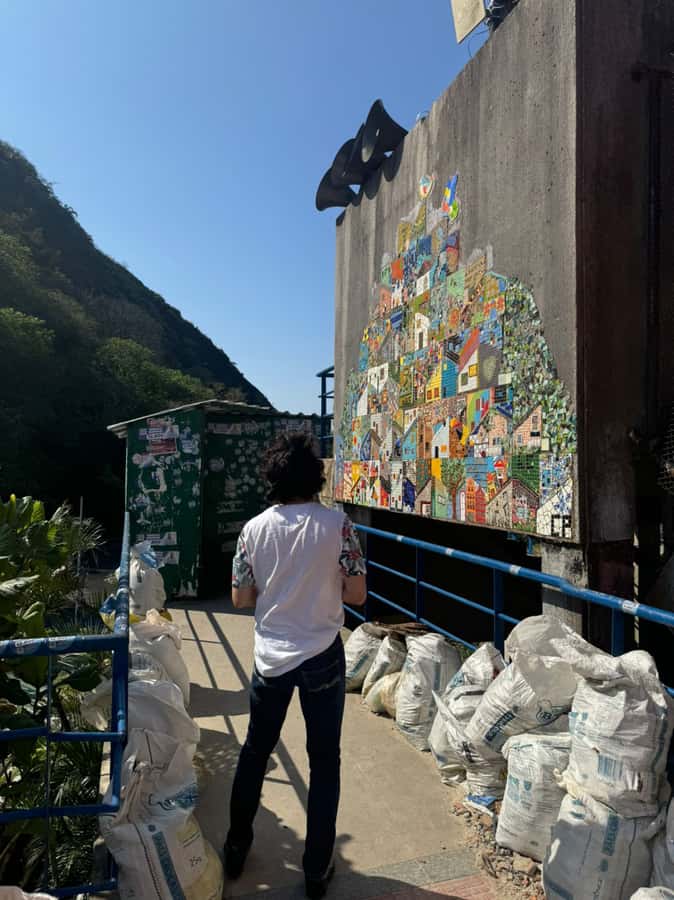
A stop connected with Santa Horta shows another side of Santa Marta. The project turns former rubbish sites into organic community gardens. It provides food, environmental education, and a possible source of income for residents.
This is a valuable part of the tour because it moves past the usual favela-tour formula. You are not only looking at crowded streets or hearing difficult stories. You are also seeing a local response to an environmental and social problem.
The project does not erase the area’s challenges. One stop can show progress while the surrounding community still faces rubbish, drainage, and education issues. That contrast is worth paying attention to. Social change is usually slow and uneven, and a good guide should explain both the effort and the limits.
The itinerary also includes a visit to the Residents’ Association. That gives the tour a civic side and helps explain how community matters are organized. It is one of the less dramatic stops, but it may be one of the most useful if you want to understand how Santa Marta functions beyond the photo points.
Shopping and small local businesses
The route includes about ten minutes for shopping in Santa Marta. This is a chance to buy something from a local business rather than treating the neighborhood as a backdrop.
Do not expect a large market or a long shopping session. The stop is short, and the value lies in supporting the people who live and work there. Depending on what is open, you may also have a chance to buy a snack or drink. One person specifically enjoyed the açaí found during the tour, though food is not listed as an included feature.
Carry Brazilian reais if you plan to purchase something, but the activity information does not specify payment methods. Keep your shopping modest and practical. The focus remains the community walk, not retail.
Safety, comfort, and the limits of the route
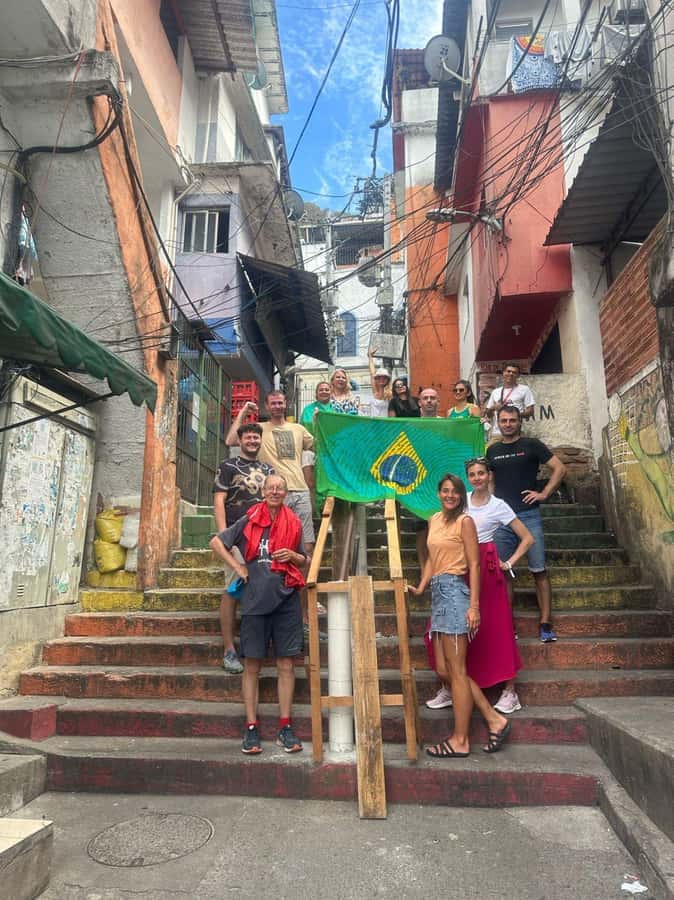
Safety is a major concern for anyone considering a favela tour. The strongest feature here is the guide’s local connection. Guides are recognized by residents, know the lanes, and stay with the group throughout the route. The tour’s recent feedback repeatedly points to a feeling of welcome and security.
That does not mean you should switch off your usual city habits. Keep valuables out of sight, follow the guide, and do not leave the group to explore alone. Ask before photographing residents, especially children. Your behavior helps protect the trust that makes this type of visit possible.
The route is not wheelchair accessible. Babies under one year are not suitable for the activity, and the practical demands also make it a poor choice for anyone who struggles with hills, steps, or warm weather. Wear comfortable shoes and bring water, sunscreen, and a hat. Smoking is not allowed.
Rain does not necessarily cancel the experience. One account describes taking the tour during heavy rain and noticing how water moved through channels in the community. That said, wet stairs and lanes can make the walk harder, so check the weather and dress accordingly.
Is $28 good value?

At around $28 per person, this is an inexpensive way to spend two to three hours in Rio. The value comes from the range of experiences packed into the route: a local guide, tram ticket, major viewpoints, Michael Jackson Square, social projects, the Residents’ Association, and possible access to a home, samba session, or football game.
I would compare it with the quality of access rather than the number of stops. You can see a viewpoint or a famous statue without paying for a tour. You cannot easily recreate the introductions, local explanations, or the guide’s home visit on your own.
The low price should not lead you to expect a private tour or a highly polished production. The exact balance of samba, football, shopping, and home visit may depend on the day, the guide, local activity, and weather. The route is community-based and personal, not a fixed museum program.
The 4.9 rating from 488 reviews suggests very strong satisfaction, especially with the guides. The most praised names include Mario, Marco, Luis or Luiz, and Raycca. The consistent strengths are warmth, local knowledge, feeling safe, and the chance to ask direct questions about life in Santa Marta.
Who should book this tour?
I would recommend it to you if you want to understand Rio through the people who live in one of its hillside communities. It suits curious adults, families with older children, film fans, and anyone who wants more than beaches and landmarks.
It is also a good choice if you have concerns about exploitation. The company is run by residents, and the tour points to local artists, businesses, and social projects. That does not make poverty a sightseeing subject without complications, but it gives your visit a clearer local connection and a more direct economic benefit.
You may want to skip it if you dislike uneven walking, prefer a formal history tour, or feel uncomfortable entering a residential area. You should also reconsider if you expect every listed activity to happen exactly as described. The strength of this tour is its local, changing character.
Book it if you want a respectful introduction to Santa Marta and are willing to listen as much as you photograph. The guide’s perspective, the home visit, and the community projects give this tour more substance than a quick lookout stop. Bring patience, comfortable shoes, and sensible expectations, and the $28 price is easy to justify.
FAQ
Where does the Santa Marta tour begin?
The meeting point is the Tourist Information Stand at Praça Corumbá.
How long does the activity last?
The tour lasts between 150 minutes and three hours, depending on the selected time and the route on the day.
Which languages are available?
Live guides are available in English, Portuguese, and Spanish.
Is the tram ticket included?
Yes. The tram ticket is included in the activity price. A separate transfer is not included, so check your transport to the meeting point.
Is the tour wheelchair accessible?
No. The activity is not suitable for wheelchair users.
What should I bring?
Bring comfortable shoes, a hat, a camera, sunscreen, and water. Smoking is not allowed.
Just added around Rio de Janeiro
- Vidigal Favela Tour★ 4.4 · 26 reviews
- Hang gliding flight in Rio de Janeiro★ 5.0 · 6 reviews
- Rio de Janeiro: Zip Lining and Canopy Tree Tour★ 3.3 · 6 reviews
- Tijuca Forest Hike – Waterfalls & Caves, Nature & Wild Life!★ 5.0 · 51 reviews
- Unforgettable Boat Party★ 5.0 · 3 reviews
- Guided Tour to Favela Santa Marta★ 5.0 · 60 reviews
- Rio de Janeiro: Attend a Vasco da Gama game with local guide★ 4.8 · 9 reviews
- Rio Highlights: Christ, Sugarloaf, and More in a Private Tour★ 5.0 · 36 reviews
Rio Favela Tours, compared.


Favela Rocinha Tour with Local Guide & Secret Spots
Read our review →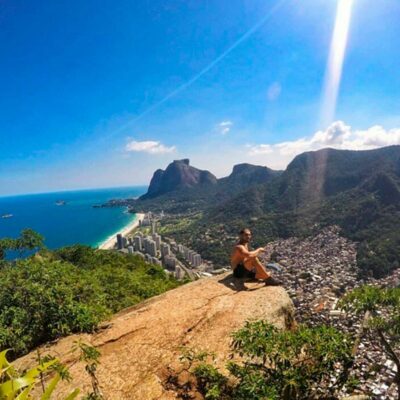

Favela Tour The Original, Rocinha & Vila Canoas since 1992
Read our review →

Sunrise at Morro 2 Irmãos – Vidigal – Rio de Janeiro
Read our review →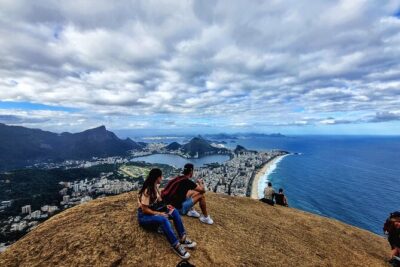
Half Day Hiking Tour Morro Dois Irmaos and Favela Vidigal
Read our review →Browse the lists this tour appears in