

Review · RIO FAVELA TOURS
Favela Tour The Original, Rocinha & Vila Canoas since 1992
Rio’s favelas are not simply viewpoints from a cable car or colorful hillsides seen from a taxi window. This three-hour tour takes you into Rocinha, Brazil’s largest favela, and smaller Vila Canoas, where homes, shops, schools, and narrow lanes form a working community. The aim is to replace fear and guesswork with context.
I like the tour’s community focus, including a school financed by Favela Tour, and I like that the guide explains both the strengths and hard problems of favela life. The drawback is that language arrangements can change, and one recent Italian-language outing did not enter Rocinha as expected. Confirm your language and route before you go.
Key points to know
- Two very different communities: Compare large Rocinha with smaller Vila Canoas on the same outing.
- A walking tour from the start: Transport gets you there, but the main experience is on foot through residential and commercial lanes.
- Community benefit built in: Part of the tour’s purpose is to support educational projects, including a local school.
- Strong panoramic views: The hillside position gives you striking views across Rio and its built-up coast.
- Several pickup points: Collection is offered around Leblon, Ipanema, Copacabana, Leme, and São Conrado.
- Good language choice: Tours are offered in English, French, Spanish, Italian, and Portuguese, though less common languages may need schedule confirmation.
Why this Rio tour is different

Favela Tour has operated since 1992, and its central idea is simple: you learn more by walking through a community than by staring at it from far away. The tour presents favelas as places shaped by social inequality, limited public services, local enterprise, family life, and strong community ties.
That matters because Rio’s favelas are often reduced to two lazy ideas: danger or picturesque poverty. Both miss the point. The tour explains how many settlements began on public hillside areas and how favelas now house about 20 percent of Rio’s population. You get a clearer sense of Brazil’s social contrasts instead of a quick photo stop.
I also like the tone promised by the experience. You are not taken in as a spectator looking at people through a bus window. You walk, listen, ask questions, and see ordinary commercial and residential areas. The tour presents your visit as welcome and useful, provided you behave with respect.
More favela tours in Rio de Janeiro:
- Rio de Janeiro: Rocinha Favela Walking Tour with Local Guide
★ 4.8 · 3,052 reviews - Rio De Janeiro: Half-Day Rocinha Favela Walking Tour
★ 4.7 · 2,272 reviews - Rio de Janeiro: Favela Santa Marta Top Tour with Local Guide
★ 4.9 · 488 reviews
Pickup in Rio’s South Zone
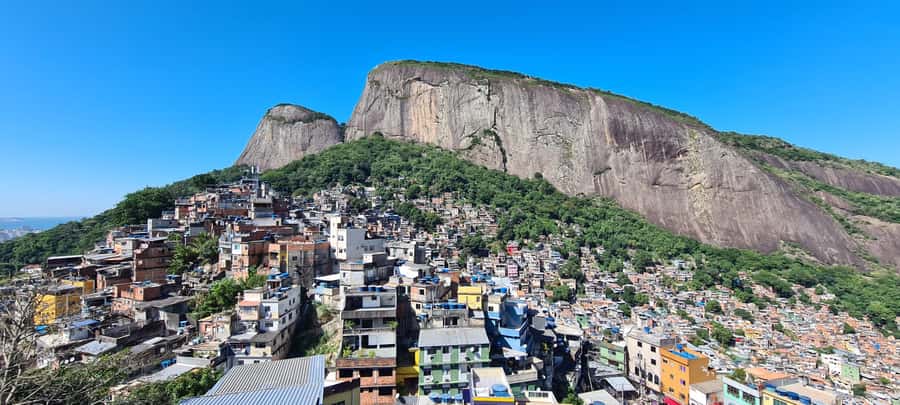
The day begins when you board the vehicle, not when you reach Rocinha. That is important. The drive gives your guide time to explain the city, the social setting, and what you are about to see.
Pickup is available from hotels in the South Zone, especially around Leme, Copacabana, Ipanema, Leblon, and São Conrado. In practice, you may be directed to a specific hotel or beach-front meeting point rather than collected at your exact address. Check the meeting details carefully, and allow time to reach the assigned hotel.
The same general areas are used for the return journey. Drop-off points include São Conrado, Ipanema, Leblon, and Copacabana Beach. If you have a fixed lunch booking or another timed attraction afterward, leave some breathing room. A walking tour through active neighborhoods does not always finish with the precision of a museum visit.
Entering Rocinha, Rio’s largest favela
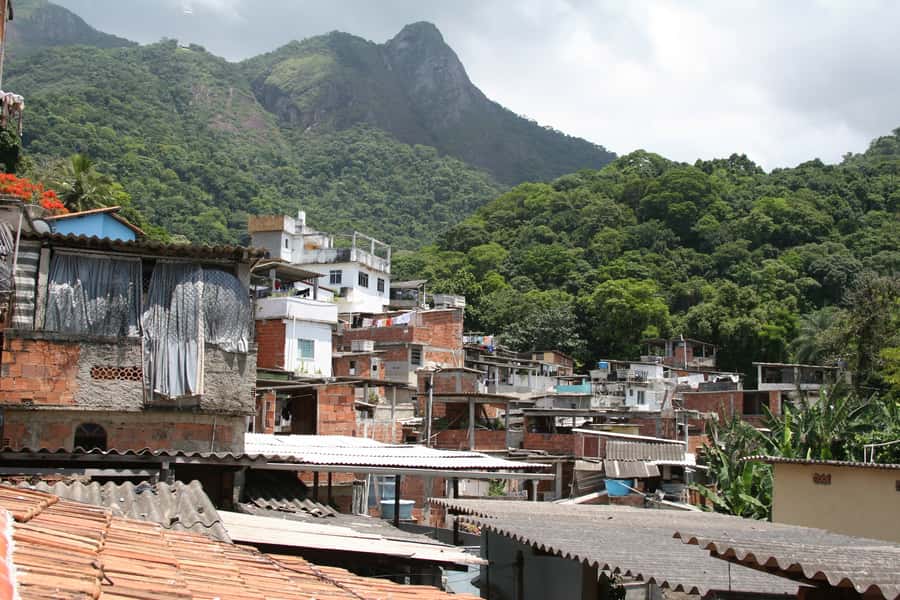
Rocinha is the main stop and the place where the scale of Rio’s favela communities becomes easier to understand. From a distance, the hillsides can look almost orderly. Inside, the layout is far more complex, with homes and businesses fitted closely into steep terrain.
The visit is mainly on foot. You walk through alleyways, passing both residential and commercial areas. This is where the tour earns its price. A vehicle can show you the edge of a favela, but walking helps you notice how people use limited space, how local trade works, and how homes and public areas connect.
Expect plenty of explanation as you go. The guide discusses the origins and growth of favelas, their place in Brazilian society, and the gap between their public image and daily reality. A particularly useful part of the experience is the chance to ask direct questions in a setting designed to be respectful rather than sensational.
You should still follow your guide’s instructions. The tour presents favelas as safer than many outsiders assume, but it also makes clear that independent exploring is not the smart choice. Go with an organized tour, stay with the group, and avoid treating private homes or residents as photo props.
Vila Canoas and a closer look at community life
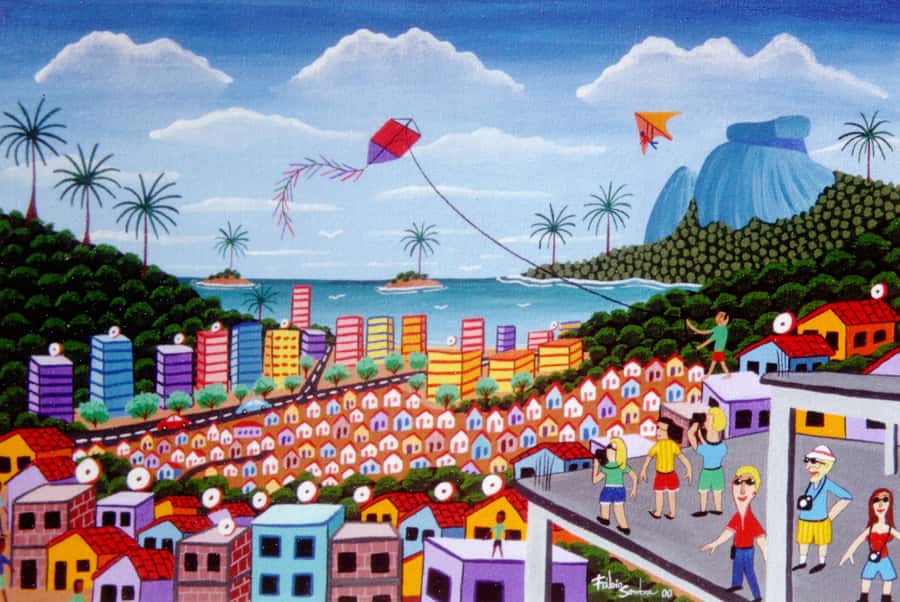
Vila Canoas gives the outing a useful second chapter. Rocinha is large and dense, while Vila Canoas offers a different scale and atmosphere. Visiting both keeps the tour from suggesting that every favela works in the same way.
You may visit a local bar during the outing, a simple stop that helps connect the discussion to everyday life. Bring extra money if you want a drink, snack, or local handcraft. These small purchases can also give you a more natural way to support local businesses rather than treating the area only as a classroom.
The tour includes a handcraft center and other local projects. These stops show that community life is not defined only by housing shortages or public-service problems. There are also local skills, businesses, education projects, and efforts to create better options for residents.
Same city, a completely different kind of day:
- Rio de Janeiro: 6-Stop Highlights of Rio with Lunch
★ 4.4 · 5,157 reviews - Christ the Redeemer Entry Ticket by Corcovado Train
★ 4.4 · 4,476 reviews - Rio: Christ the Redeemer, Sugarloaf, Selaron & BBQ Lunch
★ 4.5 · 2,428 reviews - Rio de Janeiro: Angra dos Reis and Ilha Grande Full-Day Tour
★ 4.6 · 1,673 reviews
The school visit and where your money goes
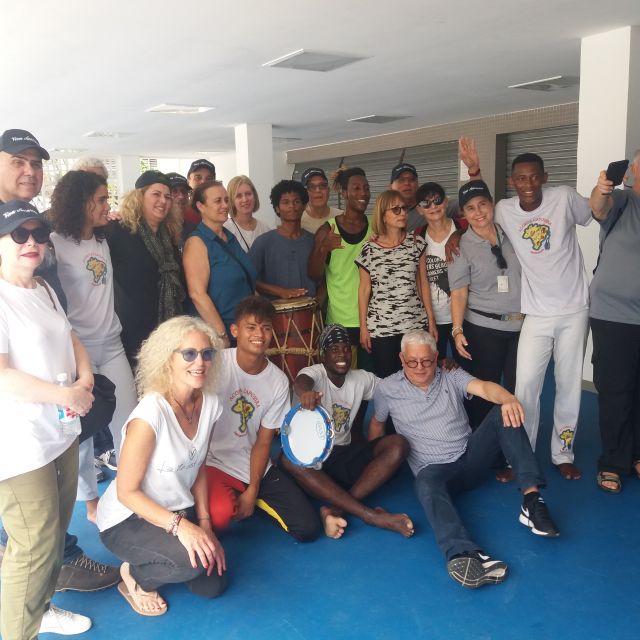
The community school is one of the most meaningful stops. Favela Tour helps finance it, so the visit connects the tour fee to a practical local project. You get to see one example of how education can support a community where public resources have not always kept pace with population growth.
I would treat this stop as a reason to choose an organized tour with a stated community role. It does not turn a short visit into a solution to Brazil’s inequality, but it gives your spending a clearer purpose. You are not only paying for transport and commentary. The experience also points toward a local educational effort.
That said, keep your expectations realistic. Three hours cannot explain every part of favela life, and one school cannot represent all education in Rio. The value lies in the concrete example, paired with the broader social explanation from your guide.
The guides and language options
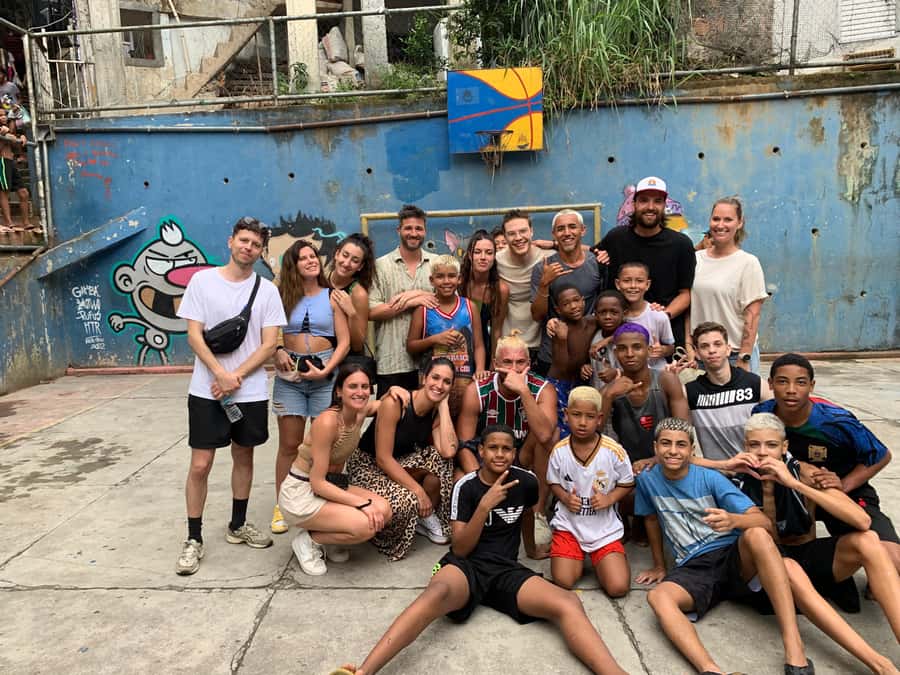
The guide makes a major difference here. English-language outings have received especially strong praise, with guides such as Mateo and Francesco singled out for clear explanations about favela history, Brazilian culture, and daily life. Another guide received praise for speaking excellent English and creating an easy atmosphere for discussion.
The tour is available in English, French, Spanish, Italian, and Portuguese. You should confirm your preferred language before the day, particularly if you choose Italian or another language with less demand. Language-specific departures may need to fit a wider schedule, and the group may include several languages.
That can affect the amount of detail you receive. One outing had to translate for multiple languages, leaving less time for some explanation. If you want the fullest discussion, ask which language the guide will use and whether the departure is dedicated to that language.
What the three hours feel like
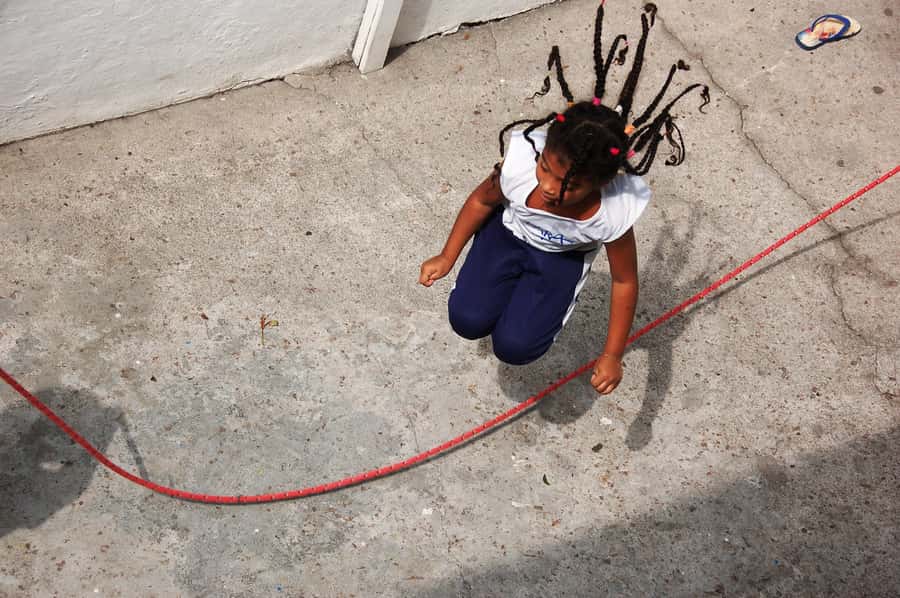
The advertised duration is three hours, with roughly two hours and fifteen minutes devoted to the local visit, guided walking, and a stop at a local bar. The remaining time covers transport and the scenic route through Rio.
This is not a passive sightseeing ride. Wear comfortable shoes and arrive ready to walk. You will use narrow lanes and uneven urban routes, so this tour suits people who want a physical, street-level experience rather than a quick drive-by view.
The walking pace also helps you absorb the setting. You have time to see commercial activity, residential areas, handcraft work, and community projects. The tradeoff is that you will not cover every part of either favela. The tour offers a focused introduction, not an exhaustive survey.
Rio views from the hillsides
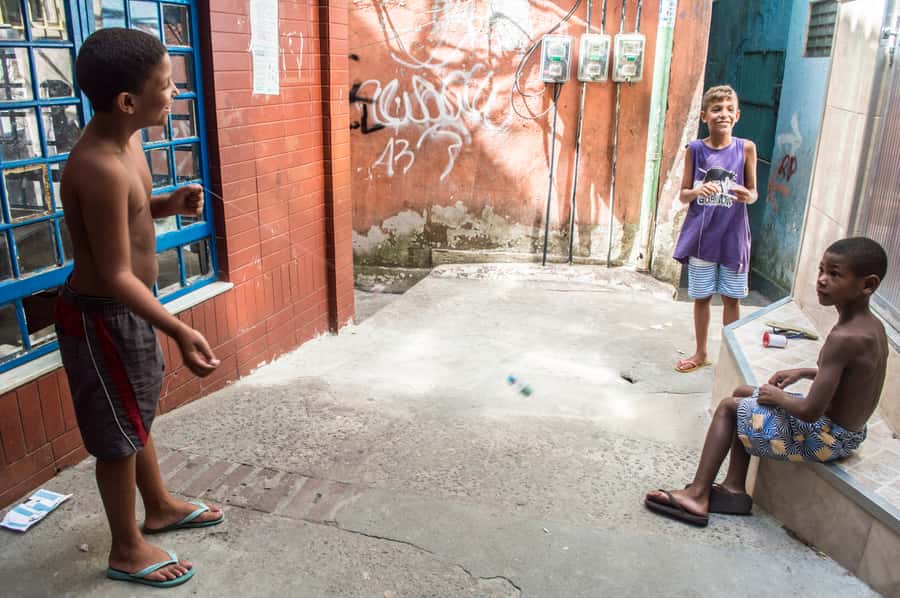
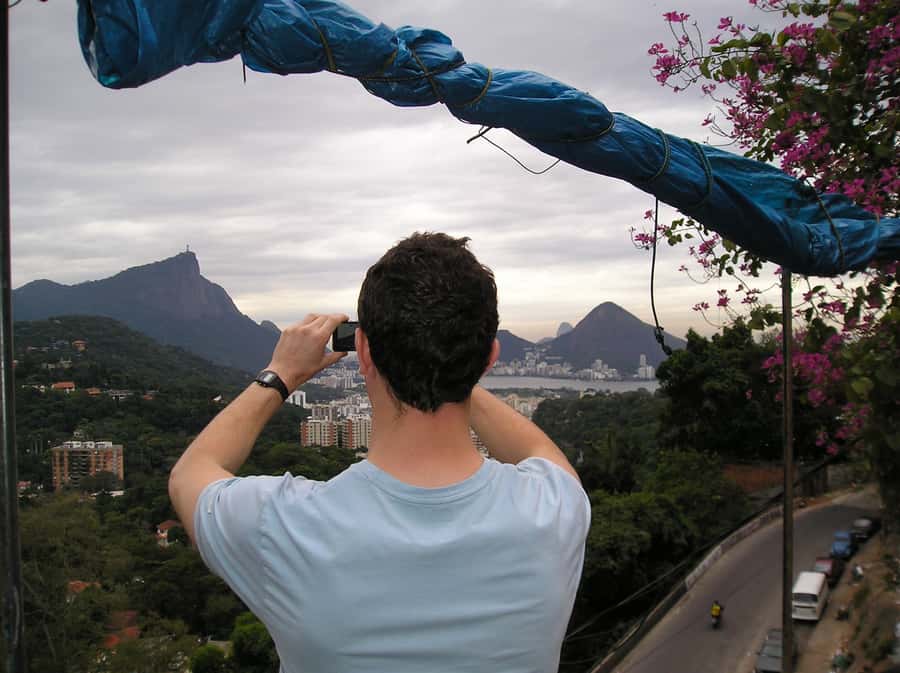
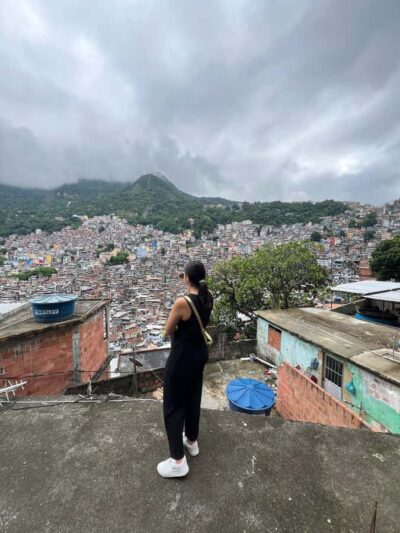
The panoramic views are one of the clear rewards. From the hills, Rio opens out below you, giving you a different perspective on the city’s sharp contrasts. The tour also includes scenic views along the route, so keep your camera ready.
Still, photography needs care. Ask before photographing people, homes, shops, or children, and follow the guide’s advice about where pictures are appropriate. A respectful visit is more valuable than collecting dramatic images.
The best view is not only the one from the hillside. It is also the view of Rio’s social structure, where expensive areas, major tourist districts, and informal communities sit close together. The tour helps you connect the geography with the inequality discussed during the walk.
Is $33 a good value?
At $33 per person, the tour is reasonably priced for a three-hour outing that includes transport from and back to much of Rio’s South Zone, a multilingual guide, two communities, and several local stops. If you paid separately for a private vehicle, a guide, and a similar community visit, the price would likely be higher.
The real value depends on what you want from Rio. If you only want famous beaches and postcard views, this may feel like a detour. If you want to understand how the city works beyond its tourist center, the cost is modest for the amount of explanation and access involved.
You should still budget for drinks, snacks, and handcrafts. Those are not included. Carry only what you need and keep valuables secure, as you would in any crowded urban setting.
The main caution before booking
The most important practical step is confirmation. Contact Favela Tour by phone, email, or WhatsApp once you are in Rio, and confirm the date, pickup point, language, and planned route yourself. Do not rely on a hotel intermediary or an unapproved middleman to handle this, since misunderstandings can lead to changed arrangements or extra costs.
There has also been an Italian-language case in which the date changed because the original departure was full, and Rocinha was not entered on the final outing. That does not define every departure, but it is a useful warning. Confirm that both Rocinha and Vila Canoas are planned for your specific tour.
Free cancellation is available up to 24 hours before departure, and you can reserve now and pay later. Those policies make the booking less risky, but they do not replace a direct confirmation of the day’s language and route.
Who should book this experience?
I would choose this tour if you want social context, direct conversation, and a walking visit that contributes to local educational work. It suits curious first-time visitors who want to understand Rio beyond beaches, Sugarloaf, and Christ the Redeemer.
It is also a good fit if you appreciate guides who explain difficult subjects plainly. The strongest part of the experience is not a single sight. It is the way the guide connects architecture, work, education, safety, poverty, and community life.
I would skip it if you dislike walking, want a tightly timed schedule, or expect a polished attraction with controlled photo stops. This is an active neighborhood, not a museum. Conditions and access can change, and the visit requires flexibility and respect.
Should you book Favela Tour?
Yes, if you want a serious look at Rio’s social contrasts and are willing to meet the community on its own terms. The two-favela route, school visit, local projects, strong hillside views, and experienced multilingual operation offer good value at $33.
Before paying, confirm your language, pickup hotel, date, and that the route includes Rocinha and Vila Canoas. With those details settled, this is one of the more useful ways to add context to a Rio visit without turning local life into a spectacle.
FAQ
How long does Favela Tour last?
The tour lasts three hours, including transportation and the guided visit.
Which favelas does the tour visit?
The planned route visits Rocinha, described as Brazil’s largest favela, and Vila Canoas.
Where can I be picked up?
Pickup is available from many hotels in Rio’s South Zone, including areas around Leme, Copacabana, Ipanema, Leblon, and São Conrado. You may be directed to a specific hotel or beach-front meeting point.
Where can I be dropped off?
Drop-off options include São Conrado, Ipanema, Leblon, and Copacabana Beach.
Is transportation included?
Yes. Transportation from and back to many hotels in Rio’s South Zone is included.
What languages are available?
Tours are offered in English, French, Spanish, Italian, and Portuguese.
Is the tour mainly a walking tour?
Yes. You should arrive ready to walk through residential and commercial areas, alleyways, and local project sites.
Does the tour visit a school?
Yes. The route includes a community school financed by Favela Tour.
Are food and drinks included?
No. Bring extra money if you want drinks, snacks, or local handcrafts.
Can I cancel for a full refund?
Yes. You can cancel up to 24 hours before the tour for a full refund.
Just added around Rio de Janeiro
- Vidigal Favela Tour★ 4.4 · 26 reviews
- Hang gliding flight in Rio de Janeiro★ 5.0 · 6 reviews
- Rio de Janeiro: Zip Lining and Canopy Tree Tour★ 3.3 · 6 reviews
- Tijuca Forest Hike – Waterfalls & Caves, Nature & Wild Life!★ 5.0 · 51 reviews
- Unforgettable Boat Party★ 5.0 · 3 reviews
- Guided Tour to Favela Santa Marta★ 5.0 · 60 reviews
- Rio de Janeiro: Attend a Vasco da Gama game with local guide★ 4.8 · 9 reviews
- Rio Highlights: Christ, Sugarloaf, and More in a Private Tour★ 5.0 · 36 reviews
Rio Favela Tours, compared.



Favela Rocinha Tour with Local Guide & Secret Spots
Read our review →

Sunrise at Morro 2 Irmãos – Vidigal – Rio de Janeiro
Read our review →
Half Day Hiking Tour Morro Dois Irmaos and Favela Vidigal
Read our review →Browse the lists this tour appears in