
Review · RIO WALKING TOURS
Rio: African Culture Walking Tour
Rio’s sun and samba are only the opening chapter. This three-hour tour leads you through Little Africa and Pedra do Sal, places tied to Black resistance, the fight to end slavery, and the growth of Afro-Brazilian culture. It finishes behind the scenes at Cidade do Samba, where Carnaval’s giant displays take shape.
I like the pairing of serious history with a working samba-school setting. I also like the small format, with a private group of up to 15 people, and the guide’s room for questions. The main consideration is that the final Carnaval visit is more of a cultural exhibit and workshop stop than a live parade experience.
Key points at a glance
- Little Africa and Pedra do Sal: Walk through areas central to Rio’s Black history and cultural life.
- History beyond the postcard: Learn about slavery, abolition, resistance, and Afro-Brazilian traditions.
- Cidade do Samba access: See where samba schools prepare the large-scale creations used during Carnaval.
- Three-hour format: Enough time for context and conversation without taking up a full day.
- Small private group: The group can include up to 15 people, giving you space to ask questions.
- Three guide languages: Tours are offered in English, Spanish, and Portuguese.
Why Little Africa changes how you see Rio
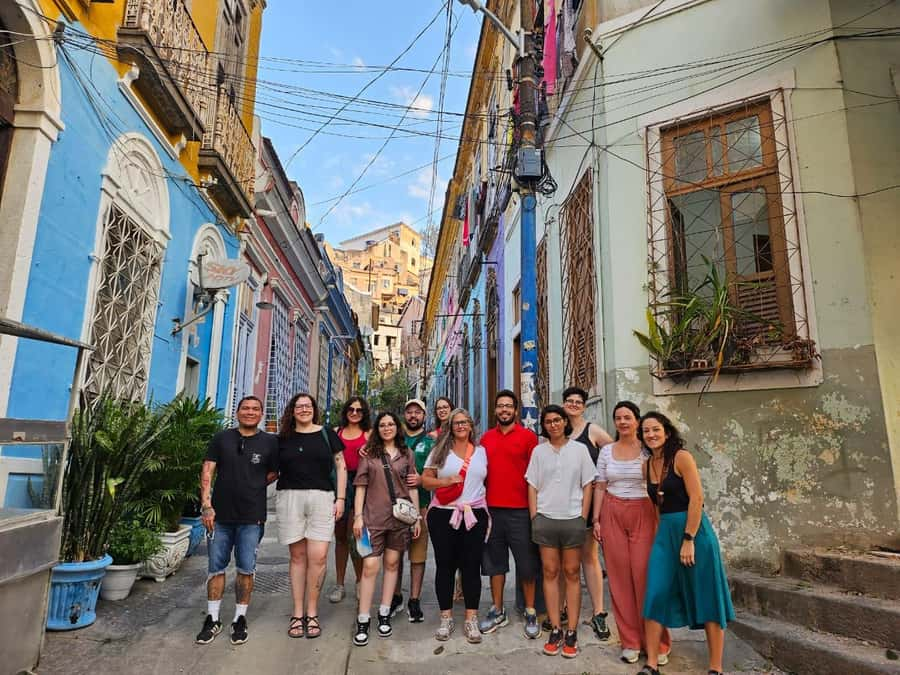
Most first visits to Rio focus on beaches, viewpoints, and famous landmarks. This walk shifts your attention to the city’s Black past and the people whose work shaped its music, faith, celebrations, and daily life.
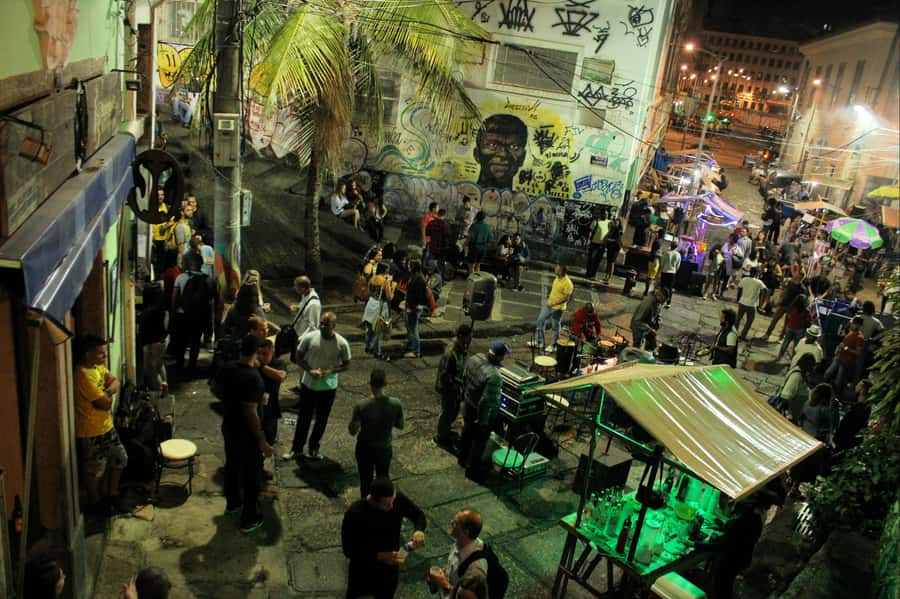
The Little Africa and Pedra do Sal area is the heart of the tour. Your guide explains how African people and their descendants influenced Rio, while also covering the cruelty of slavery and the long struggle for abolition in Brazil. That context matters because samba is not simply a party soundtrack. It grew from communities that carried culture forward under harsh conditions.
I like that the history is presented on foot, in the places connected to it. A street or stone meeting place can make the subject feel less remote than a museum label. You are not just hearing a list of dates. You are moving through areas where Black resistance and Afro-Brazilian traditions remain part of Rio’s identity.
The walking portion also helps you notice what a standard sightseeing route can leave out. You see places missed by many visitors, and the guide can connect the physical surroundings with larger questions about race, power, religion, music, and cultural survival.
More walking tours in Rio de Janeiro:
- Rio de Janeiro: Rocinha Favela Walking Tour with Local Guide
★ 4.8 · 3,052 reviews - Rio De Janeiro: Half-Day Rocinha Favela Walking Tour
★ 4.7 · 2,272 reviews - Sunrise and Sunrise Walk Two Brothers with Local Guide
★ 5.0 · 193 reviews
Pedra do Sal and the story of resistance
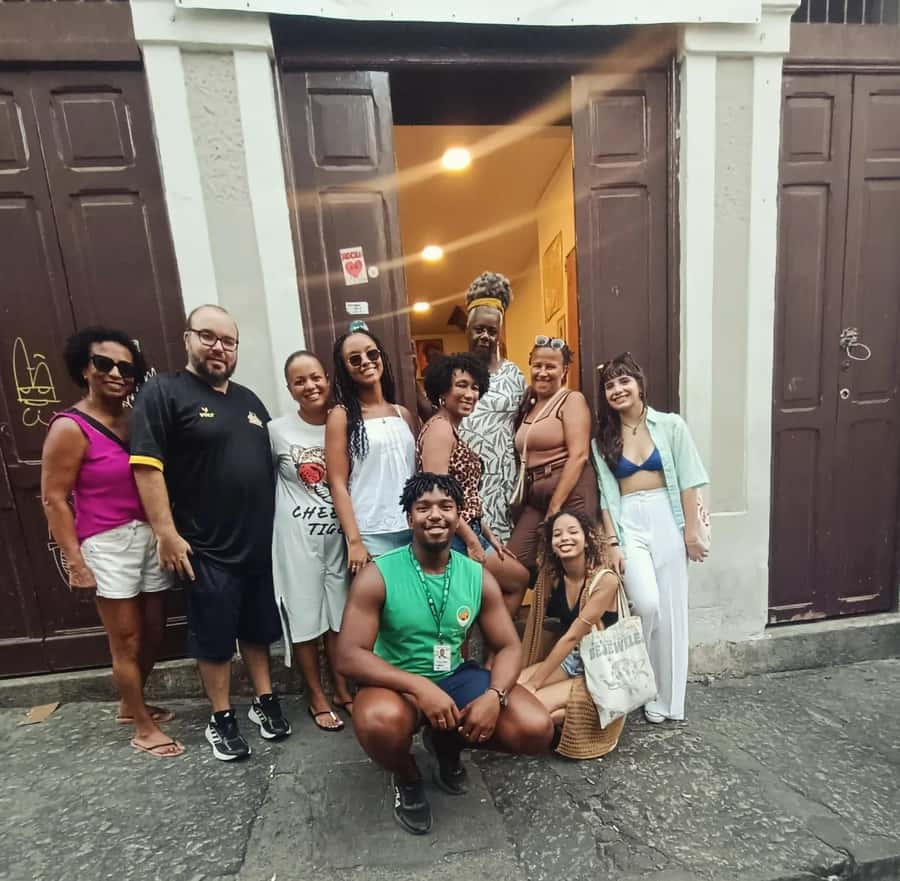
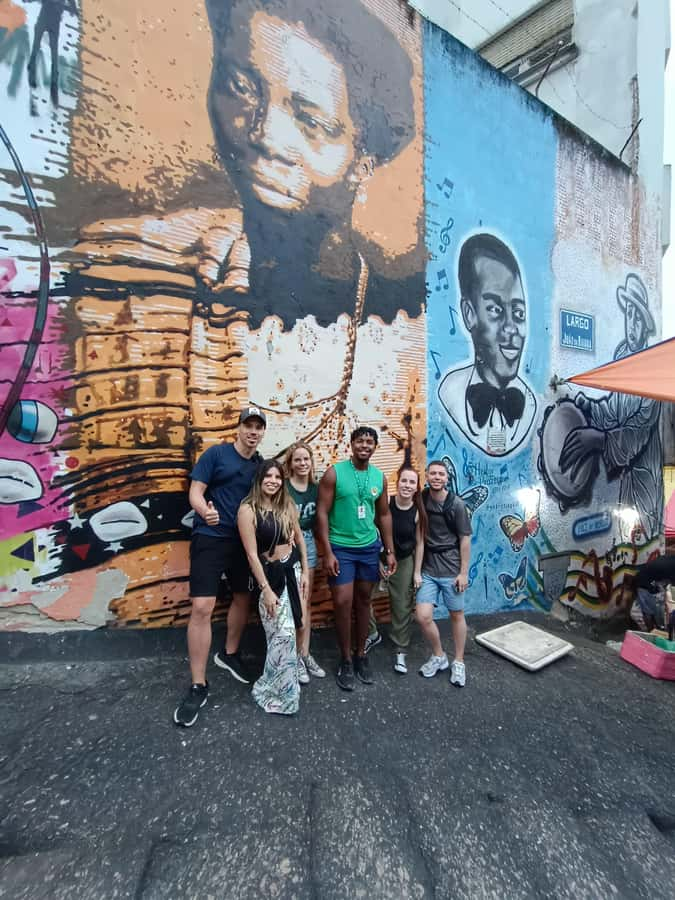
Pedra do Sal is one of the tour’s key stops. The area is closely connected to Afro-Brazilian culture and the development of samba in Rio. Your guide uses the setting to explain the role of Black communities in the city’s history and the continuing importance of their traditions.
Expect discussion rather than a staged performance. The value here comes from the explanation, so the guide makes a real difference. A strong guide can take a familiar word such as samba and show you the people, pressure, and creativity behind it.
The subject can be difficult. Any tour about slavery and racial oppression should not reduce the past to a colorful backdrop. This experience gives the topic proper weight by focusing on resistance and the struggle for abolition, not only on music and celebration.
One visitor, Michelle from the United States, found useful parallels between racial oppression in Brazil and the United States, along with important differences. That makes this a good choice if you want to ask comparative questions. The guide is there to explain, but also to discuss the subject rather than deliver a speech and move on.
How the walking route feels in practice
The tour lasts about three hours and includes the walk through Little Africa and Pedra do Sal, followed by the City of Samba visit. The walking is substantial enough to give the route a sense of place, but the experience is not sold as a long endurance walk. One participant specifically noted that the group learned a lot without having to walk too much.
That balance suits Rio. You have time to listen, look around, and ask questions without spending an entire day on foot. Wear comfortable shoes and bring water, since food and drinks are not included.
The group format is another useful detail. The experience is described as a private group, with a maximum of 15 people. That is small enough for a more personal conversation, though it is not the same as a one-on-one guide. If your group is interested in history, race, or samba, you should have plenty to discuss.
Your guide may speak English, Spanish, or Portuguese. When booking, you should make sure your preferred language is clear. You are also asked to provide a WhatsApp contact, which helps the operator communicate with you before the tour.
From abolition to living Afro-Brazilian culture

The strongest part of this experience is the link between past and present. You learn about the abolition of slavery, but the tour does not treat abolition as the end of the story. The guide connects that past with current Afro-Brazilian heritage and traditions in Rio.
That approach gives the tour more purpose than a simple historical walk. You begin to see samba, Carnaval, and local customs as forms of expression shaped by history. The experience also gives you room to think about how cultural traditions survive, change, and sometimes get packaged for visitors.
A Spanish-language participant described the guide as clear and educational when explaining Afro-Brazilian subjects. That is important here. The topic includes unfamiliar terms and complicated social history, so a guide who explains ideas plainly is worth having.
The tour also works well for people who like conversation. A participant from Switzerland arrived with many questions and found the guide open to discussion. You should not expect a university lecture, but you can expect the chance to ask about the parts of Rio’s history that interest you most.
Same city, a completely different kind of day:
- Rio de Janeiro: 6-Stop Highlights of Rio with Lunch
★ 4.4 · 5,157 reviews - Christ the Redeemer Entry Ticket by Corcovado Train
★ 4.4 · 4,476 reviews - Rio: Christ the Redeemer, Sugarloaf, Selaron & BBQ Lunch
★ 4.5 · 2,428 reviews - Rio de Janeiro: Angra dos Reis and Ilha Grande Full-Day Tour
★ 4.6 · 1,673 reviews
Entering Cidade do Samba
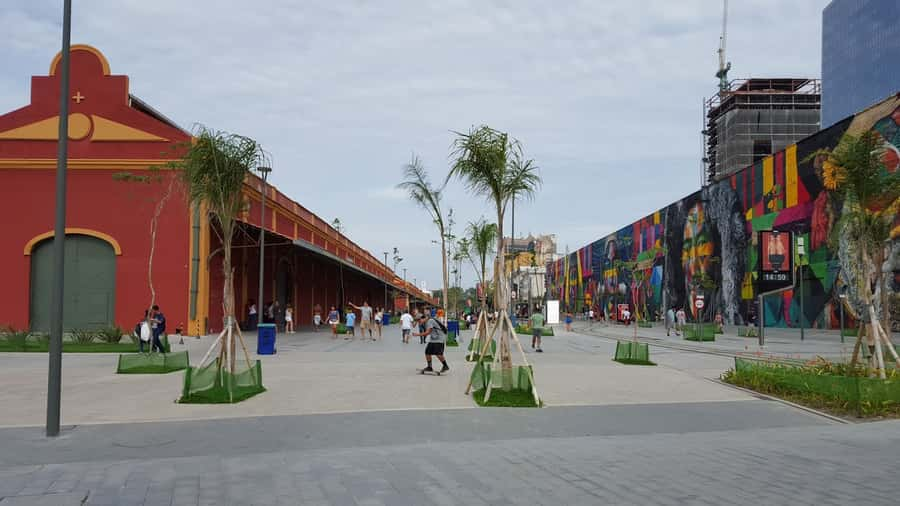
The tour concludes at Cidade do Samba, also called the City of Samba. Entrance is included, along with the Carnaval Experience. This changes the mood from historical walking tour to behind-the-scenes look at Rio’s famous Carnaval machinery.
Here, you learn how samba-school parades are made and where the large creations used in Carnaval come together. The scale is part of the appeal. Carnaval costumes and floats can look effortless during a parade, but a visit to the production space shows the work behind the spectacle.
This is the most visual part of the experience. You get a peek behind the curtains rather than watching from the street during Carnaval. If you have ever wondered how samba schools prepare their parade designs, this visit gives you useful context.
I would set your expectations carefully. The City of Samba is not the same as joining a live parade or visiting a neighborhood samba gathering. One participant found this section slightly less authentic than the historical walk, even while calling the access amazing. That is a fair distinction.
The venue is still worthwhile because it completes the story. The first part explains the historical and cultural roots. The final part shows how those traditions are transformed into a huge public celebration.
What the guide adds to the experience

This tour depends heavily on the quality of the guide. You are not simply checking off attractions. You are walking through places whose meaning is not always obvious, and the guide supplies the background that makes them matter.
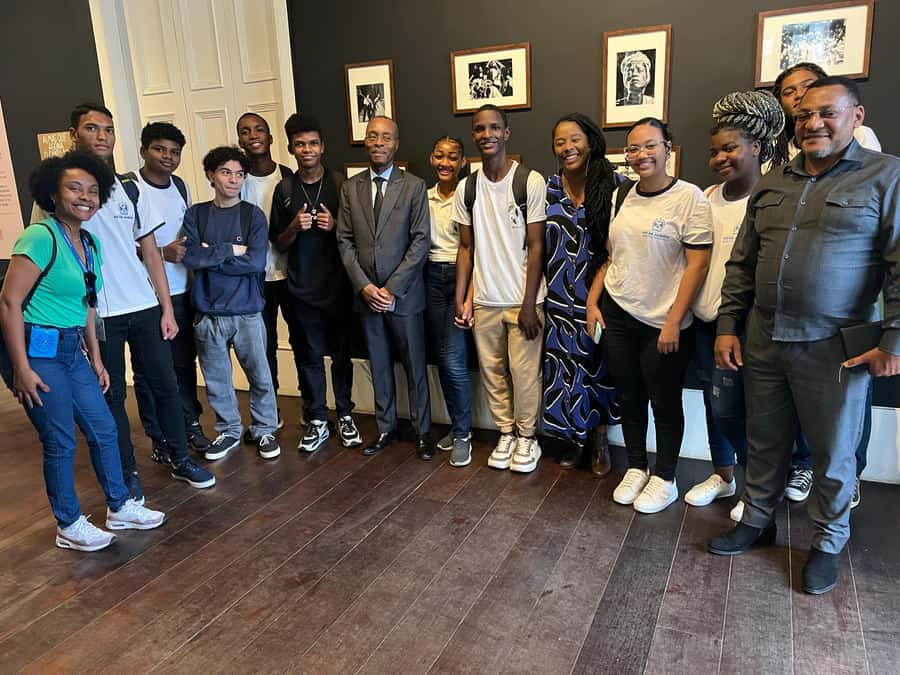
Rafael is specifically named in one booking, with praise for his attentiveness during the Little Africa walk and the samba-school warehouse visit. Another participant described the guide as friendly, open to questions, and especially helpful when explaining slavery and Afro-Brazilian heritage.
Those comments point to the kind of experience you should seek here: clear explanations, flexibility, and a willingness to talk. One guide also helped arrange an extra graffiti stop alongside an Uber trip back to the hotel. That was an individual arrangement, not a guaranteed part of the tour, but it suggests that the operator may be practical when timing and plans allow.
You should not count on extra stops. Still, if you have a specific interest, ask your guide during the walk. The private-group format gives you a better chance of shaping the conversation than a large coach tour would.
Is $100 a fair price?

At $100 per person, this is not Rio’s cheapest walking tour. The price needs to be judged by what you are buying: a three-hour private-group experience, a guide in your chosen language, the Little Africa and Pedra do Sal route, and entrance to Cidade do Samba and Carnaval Experience.
I see the value mainly in the guide and the subject. A self-guided walk could show you the same streets, but it would not necessarily explain the history of slavery, Black resistance, abolition, samba schools, and Afro-Brazilian heritage in a connected way.
The price is easier to justify if you want a focused cultural experience and plan to ask questions. It is less compelling if your only goal is to see a samba performance or join Carnaval festivities. The tour provides background and access, not a ticket to a live parade.
Because food and drinks are not included, plan those separately. The three-hour length also leaves room for lunch, another attraction, or an evening samba activity afterward.
Who should book this Rio tour?

I would choose this experience if you want more than Rio’s famous views and beaches. It suits you especially well if you are interested in:
- Afro-Brazilian culture and traditions
- The history of slavery and abolition in Brazil
- Black resistance and cultural survival
- The origins and organization of samba schools
- Small-group walks with time for questions
- Seeing a less familiar side of Rio
It also works well for visitors who have already seen the major sights and want a subject with more depth. Families with older children may find the combination of walking, storytelling, and large Carnaval creations engaging, though the slavery section requires maturity.
You may want to skip it if you prefer a fast-paced list of major landmarks. The route is built around context, conversation, and historical meaning. It is also not the right choice if you expect an actual samba show, food tasting, or a full day of activities.
Practical details before you reserve
The tour runs for three hours, with starting times based on availability. Check the schedule before committing, especially if you have a tight Rio itinerary.
The activity is wheelchair accessible, which is useful information for visitors who need step-free access. Since the route includes walking through Little Africa and Pedra do Sal, you should still confirm any specific mobility needs with the operator before booking.
English, Spanish, and Portuguese are available. Send your WhatsApp contact as requested so the operator can reach you with tour details.
You can cancel up to 24 hours before the experience for a full refund. The reserve-now, pay-later option lets you hold a place without paying at the time of booking, which is useful when your Rio plans are still shifting.
My call: book it for the history, stay for the samba
Book this tour if you want to understand how Black history and Afro-Brazilian culture shape Rio today. The Little Africa and Pedra do Sal walk is the core experience, while Cidade do Samba adds a lively look at the work behind Carnaval.
I would not book it expecting an unfiltered neighborhood party or a live parade. The final stop has a more organized, visitor-facing feel, and that is its main limitation. But the combination is smart: serious history first, then a look at the cultural celebration that grew from it.
At $100, the tour makes the most sense for you if a good guide, a private group, and thoughtful conversation matter more than finding the lowest price. If Rafael is leading your departure, you can expect an attentive approach based on the experience described. Either way, confirm your language, send your WhatsApp contact, and leave room afterward for food or another Rio activity.
FAQ
How long does the African Culture Walking Tour last?
The tour lasts three hours.
What areas does the walking portion cover?
The walking portion covers Little Africa and the Pedra do Sal region.
What subjects does the guide explain?
The guide discusses local history and culture, Black resistance, the struggle for abolition in Brazil, slavery, Afro-Brazilian traditions, and their heritage in present-day Rio.
Is entrance to Cidade do Samba included?
Yes. Entrance to Cidade do Samba and Carnaval Experience is included.
What happens at Cidade do Samba?
You learn about the origins of samba-school parades and see behind the scenes of the work created for Carnaval.
What languages are available?
The tour is offered in English, Spanish, and Portuguese.
How many people can join the group?
The experience is a private group with a maximum of 15 people.
Is the tour wheelchair accessible?
Yes, the activity is listed as wheelchair accessible.
Are food and drinks included?
No. Food and drinks are not included.
Can I cancel for a refund?
Yes. You can cancel up to 24 hours in advance for a full refund.
Just added around Rio de Janeiro
- Rio de Janeiro: Zip Lining and Canopy Tree Tour★ 3.3 · 6 reviews
- Vidigal Favela Tour★ 4.4 · 26 reviews
- Hang gliding flight in Rio de Janeiro★ 5.0 · 6 reviews
- Tijuca Forest Hike – Waterfalls & Caves, Nature & Wild Life!★ 5.0 · 51 reviews
- Unforgettable Boat Party★ 5.0 · 3 reviews
- Guided Tour to Favela Santa Marta★ 5.0 · 60 reviews
- Rio de Janeiro: Attend a Vasco da Gama game with local guide★ 4.8 · 9 reviews
- Rio Highlights: Christ, Sugarloaf, and More in a Private Tour★ 5.0 · 36 reviews
Rio Walking Tours, compared.



Sunrise and Sunrise Walk Two Brothers with Local Guide
Read our review →

Learn the History of Rio with an Unforgettable City Center Walking Tour
Read our review →
Rio’s city walking tour: a glimpse of history and olympic legacy
Read our review →
Walking tour of the bohemian neighborhoods of Santa Teresa and Lapa
Read our review →
Browse the lists this tour appears in