
Review · RIO WALKING TOURS
Little Africa – Walking tour from the passed to the future
Little Africa tells one of Rio’s most important stories on foot: the arrival, suffering, survival, and cultural influence of Africans in Brazil. I like that the tour uses real streets, former markets, homes, shops, and burial grounds rather than treating Black history as a museum sidebar. I also like the three-hour pace, which gives your guide time to explain why each place matters.
The main caution is language quality. Several guides, including Larissa, Gabriela, Luana, and Rafael, have earned praise for their warmth and strong command of the subject, but two English-speaking guests found their guide difficult to understand. You should also confirm museum entry costs and the final price before paying.
Key points to know before you go
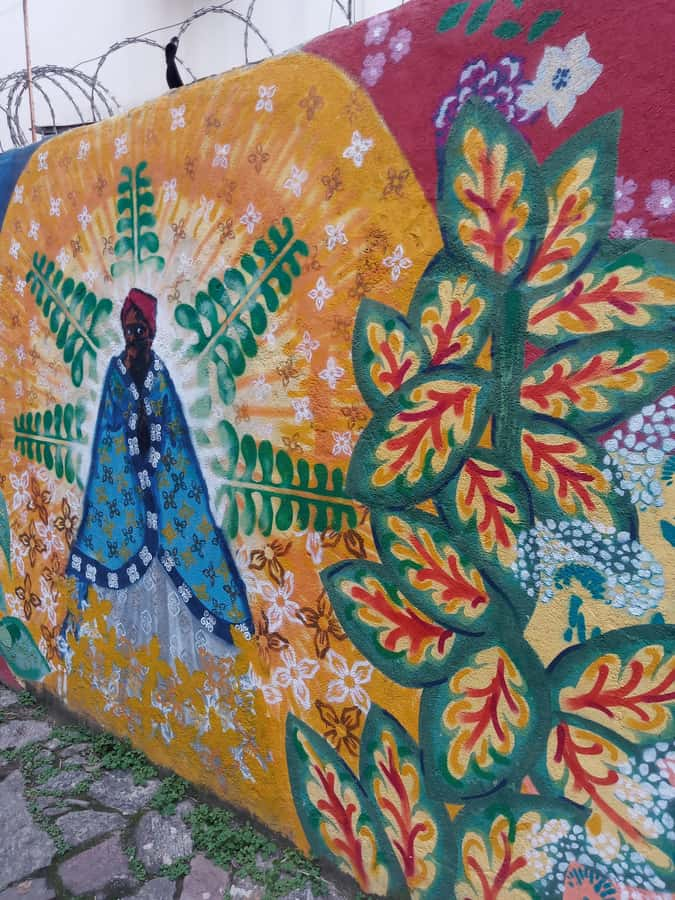
- Little Africa was a major arrival point in Rio: The area once held an open slave market, shops, homes, and graveyards connected to the forced arrival of Africans.
- The tour is built around walking and explanation: You move through streets and alleys while your guide gives historical context at each important place.
- Guide quality depends on language and individual assignment: Larissa, Gabriela, Luana, and Rafael received especially warm praise, while English clarity was a concern for two guests.
- The advertised cost has two parts: You pay US$32 per person through the booking platform, then R$160 per person directly to the guide. The published total is R$310 per passenger.
- A museum visit may involve an extra fee: One guest was surprised by an additional entry charge, so ask what admission is included before the walk begins.
- This is a serious cultural visit, not a light sightseeing stroll: Expect difficult subject matter and approach the area with patience and respect.
Why Little Africa matters to Rio

Little Africa is not simply a neighborhood with a historical label. It was an entry point for many African men, women, and children brought to Brazil under slavery, and the area developed around that forced movement of people. The remains of markets, houses, shops, and burial grounds make the story physical.
That matters because slavery can feel distant when it is presented only through dates and names. Here, your guide connects the history to streets and sites in Rio itself. You are not only hearing that Africans shaped Brazil. You are walking through a part of the city where that history took place.
I find the focus especially valuable for first-time visitors to Rio. Famous sights often present the city through beaches, mountains, music, and grand buildings. This walk adds a necessary chapter about Black life, pain, resistance, heritage, and cultural influence. It also gives you a better lens for understanding Brazil beyond postcard scenery.
The tour title points from the past toward the future. The historical material forms the core, but the experience also asks you to consider how African heritage continues to shape art, culture, and Brazil’s identity today. The exact discussion will depend on your guide, so I would ask at the start how the future-focused part will be handled.
More walking tours in Rio de Janeiro:
- Rio de Janeiro: Rocinha Favela Walking Tour with Local Guide
★ 4.8 · 3,052 reviews - Rio De Janeiro: Half-Day Rocinha Favela Walking Tour
★ 4.7 · 2,272 reviews - Sunrise and Sunrise Walk Two Brothers with Local Guide
★ 5.0 · 193 reviews
Following the streets and alleys of Little Africa
The walk begins in downtown Rio de Janeiro, with the exact meeting details provided at booking. Transportation is not included, so you need to make your own way to the starting point. Set aside the full three hours, since this is a walking lesson rather than a quick stop for photographs.
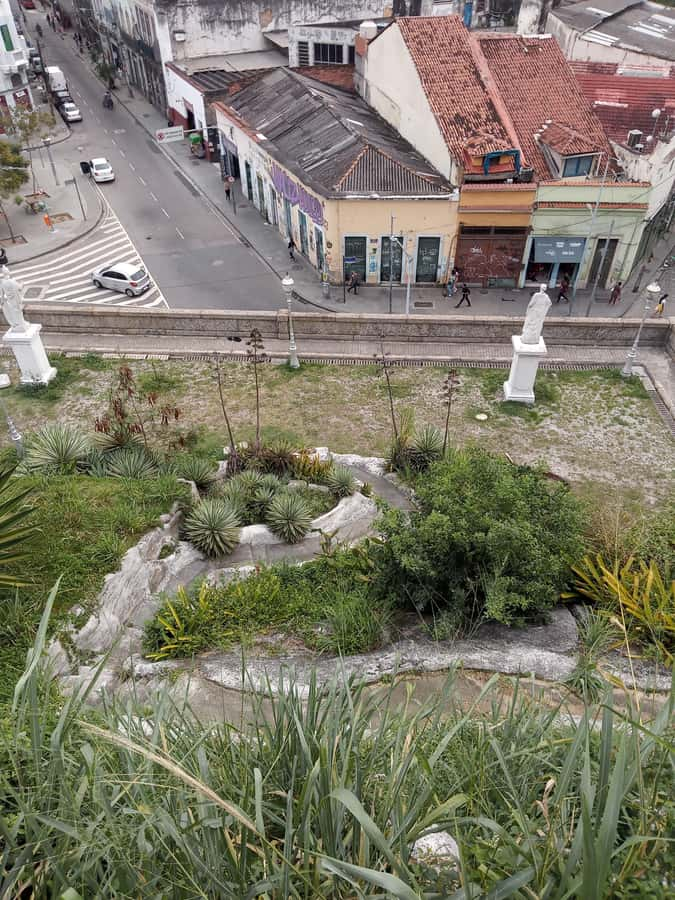
Expect to move through streets and alleys while your guide points out places tied to the area’s past. The available description does not provide a fixed list of named stops, so you should not expect a rigid attraction-by-attraction schedule. Instead, the experience centers on the places that remain and the explanations attached to them.
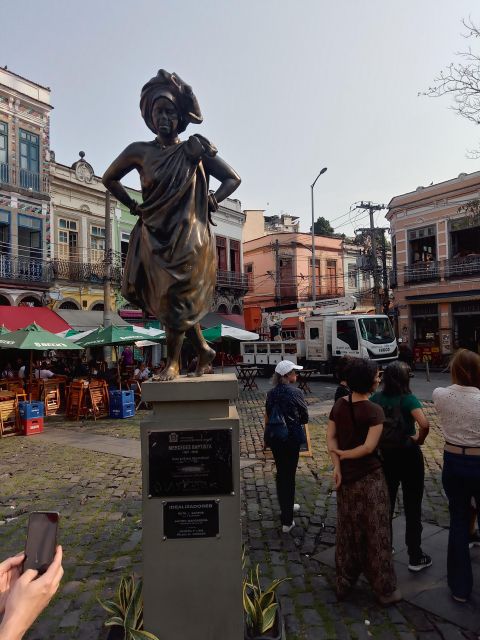
The former open market is one of the most difficult parts of the story. It represents the commercial system that treated human beings as property. A good guide can help you understand the scale and operation of that system without reducing the subject to a list of shocking facts.
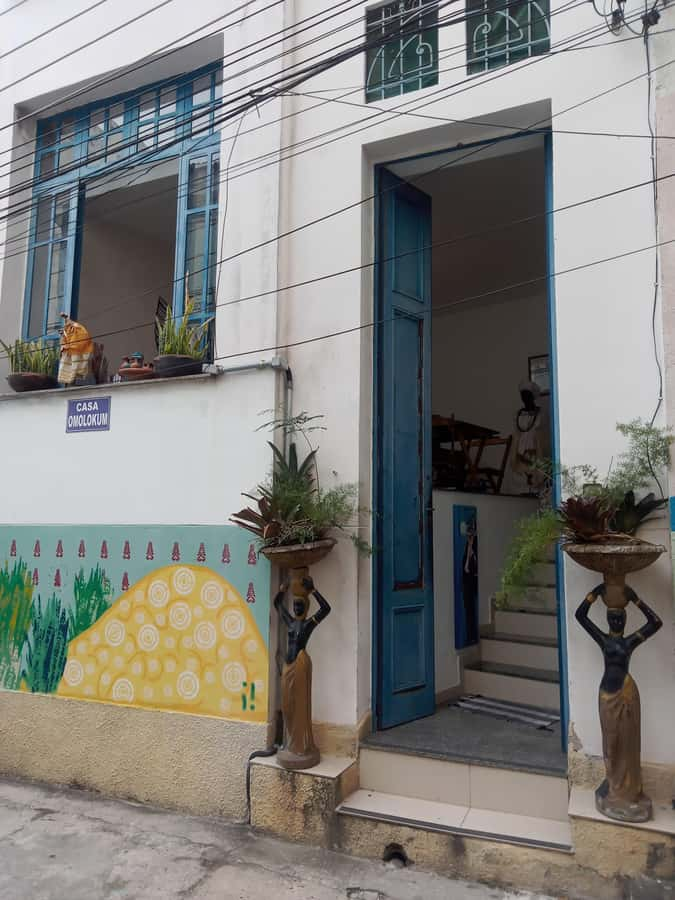
The former homes and stores add another layer. They show that Little Africa was not only a point of arrival. It was also a living district where people worked, traded, settled, and formed community. Pay attention to how your guide connects these ordinary urban spaces with the wider development of African Brazilian culture.
The burial sites may be the most emotional part of the walk. The description warns that many people find the tour moving, and that is easy to understand. Burial grounds connected to enslaved people force you to face how many lives were lost and how often those lives were denied proper recognition.
Your role is simple but important: listen carefully, avoid treating solemn places as photo props, and allow the guide to set the tone. This is a place for questions and reflection, not loud banter.
The guide makes or breaks the experience
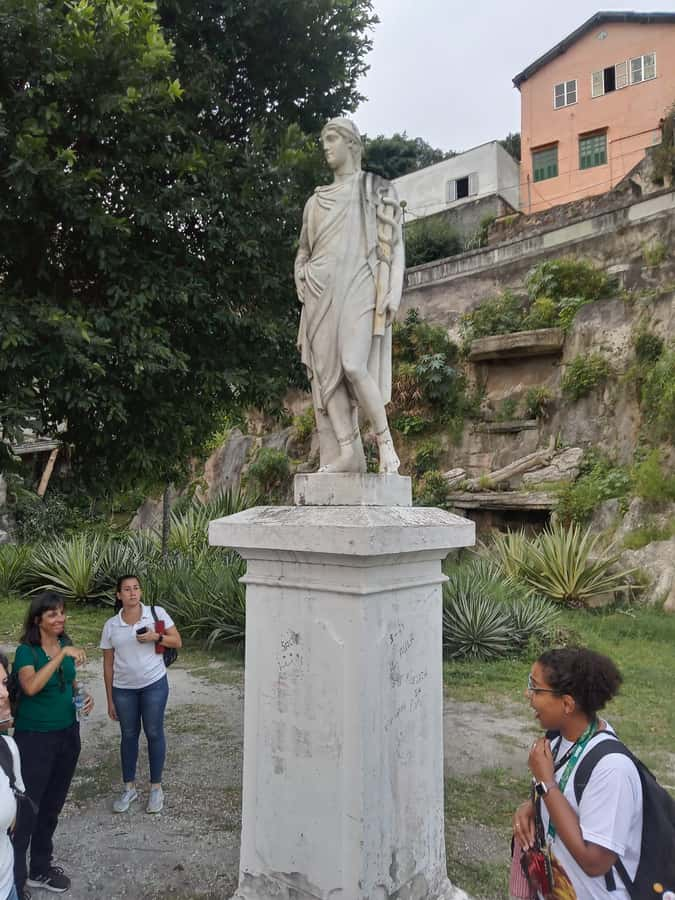
The strongest part of this activity is the guide’s ability to turn a difficult subject into a clear, human story. Larissa was praised for her passion and for telling the history in a way that helped the past feel immediate. Gabriela was described as personable and well prepared, while Luana earned praise for her information, kindness, and thoughtfulness.
Rafael also received strong marks, including for helping rearrange the experience after a delayed flight. That flexibility matters if your schedule changes, although you should still contact the operator rather than assume a missed start will always be accommodated.
The language issue deserves equal attention. The tour is offered in English, Portuguese, and Spanish, but fluency is not identical across every guide. Two English-speaking guests found their guide hard to understand, even while recognizing that he knew the subject well.
If you book in English, contact the operator in advance and clearly state that strong spoken English is important to you. If you speak Portuguese or Spanish, you may have more flexibility. You can also ask whether a particular guide is available, though no specific assignment is guaranteed.
A guide who knows facts but cannot explain them clearly will weaken the experience. This is not a tour where you can simply look around and get the full meaning on your own. The interpretation is the main product.
Art, culture, and the view toward the future
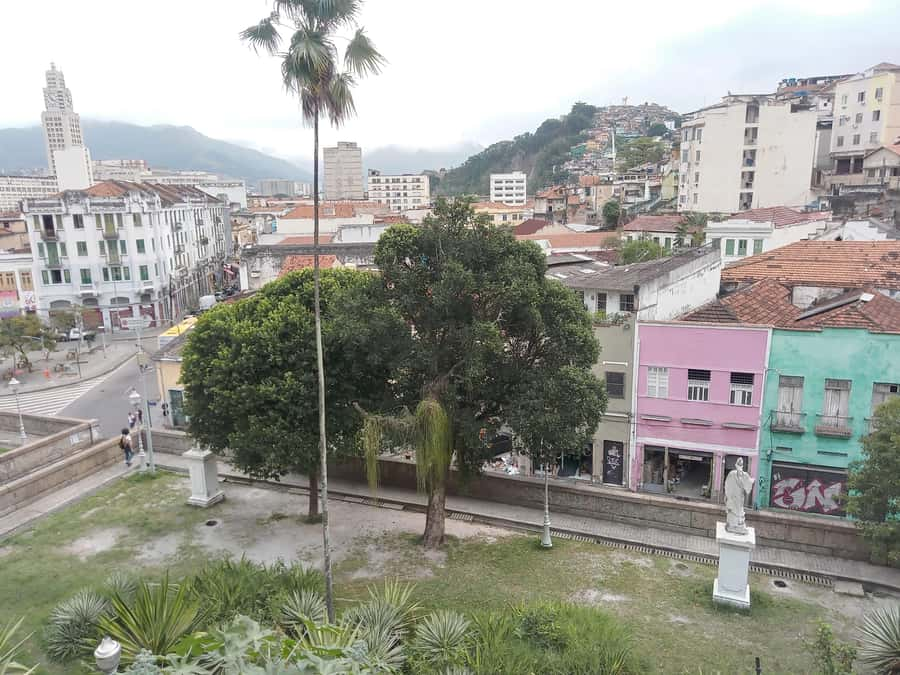
The walk is framed around three ideas: Black history and heritage, art and culture, and the future. The first two are easiest to understand from the information provided. The sites reveal the African presence in Brazil, while the guide’s commentary connects that past to cultural life.
The art component may include a museum or art-related stop, but the exact admission arrangements are not fully clear. One guest had to pay separately to enter a museum and did not expect that cost. Another art museum exhibit was not included in the tour, despite seeming like something that could have added value.
That does not make the tour poor value, but it does mean you should ask a direct question before booking: Which museums or exhibits are included, and which require separate admission? Do not assume that an art stop means every current exhibit is part of the three-hour route.
The future angle is also worth clarifying. The tour promises a path from the past to the future, but the supplied details do not name a particular modern project, exhibition, or neighborhood initiative. Ask your guide how the final part of the discussion is presented. You may receive a broad conversation about heritage and Brazil’s cultural direction rather than a separate future-themed attraction.
That distinction helps you set the right expectation. This is primarily a historical walking tour with art and cultural interpretation, not a museum exhibition focused on contemporary Brazil.
Same city, a completely different kind of day:
- Rio de Janeiro: 6-Stop Highlights of Rio with Lunch
★ 4.4 · 5,157 reviews - Christ the Redeemer Entry Ticket by Corcovado Train
★ 4.4 · 4,476 reviews - Rio: Christ the Redeemer, Sugarloaf, Selaron & BBQ Lunch
★ 4.5 · 2,428 reviews - Rio de Janeiro: Angra dos Reis and Ilha Grande Full-Day Tour
★ 4.6 · 1,673 reviews
Three hours is the right amount of time

Three hours gives the subject room to breathe. A shorter walk could easily turn Little Africa into a quick collection of facts and photographs. With more time, your guide can explain the connection between sites, answer questions, and pause at places that deserve quiet attention.
The pace may feel slow if you prefer to race between major landmarks. I think that is a strength here. The value comes from context, and context takes time. You need space to understand why an old building, alley, or burial site matters.
Wear practical walking shoes and arrive ready to stay with the group. The activity description does not provide a distance or detailed terrain information, so I would not assume a completely effortless stroll. Since transportation is not included, plan your route to downtown Rio carefully and allow time to find the meeting point.
Food, drinks, and souvenirs are not included. For a three-hour walk, carry whatever water you normally need, but do not expect a meal stop to be part of the program.
Is the price fair?
The advertised online reservation price is US$32 per person. There is also an additional R$160 per person paid directly to the guide, and the published information gives the total as R$310 per passenger. Because the two amounts use different currencies and exchange rates change, confirm the exact amount in your currency before committing.
Credit or debit card payments may carry a 5 percent tax or fee. Ask whether that applies to the direct payment, the full balance, or both. This is a small detail that can cause an awkward surprise at the meeting point.
At the stated total, the tour can be good value if you want a guide-led introduction to Black Brazilian history in the actual setting where much of the story unfolded. You are paying for interpretation, not expensive transport, food, or a long list of admissions.
The value drops if your main goal is a museum-heavy outing or a broad city tour. Museum entry is not clearly included, and at least one art exhibit was outside the route. You may need to budget extra if you want to visit an attraction along the way.
The minimum group size is two people. If you are traveling alone, contact the operator before making a reservation. Do not assume a solo booking will operate as normal.
Who should book this walking tour?
I would recommend Little Africa to you if you want a serious look at Rio’s African heritage and prefer local streets over a standard sightseeing circuit. It suits adults, students, families with older children, and anyone who wants historical context before exploring more of Brazil.
Children are allowed, with a 50 percent discount listed for ages 5 to 10 and free participation for children ages 0 to 4 when seated on a parent’s lap. Another payment note refers to children ages 3 to 10 receiving half price, so the age rules are inconsistent. Ask the operator to confirm the correct child rate before booking.
The tour may not suit you if you want a carefree outing with constant entertainment. The subject includes slavery, death, and human suffering. It calls for attention and respect, and some people may find it emotionally heavy.
It is also a less certain choice for English speakers who need perfectly clear delivery. The best solution is to ask about the assigned guide’s English ability in advance. If the language is not a concern, the strong comments about Larissa, Gabriela, Luana, and Rafael suggest that a good guide can make the experience memorable and easy to follow.
Final decision: book it for context, not just sightseeing
Book this tour if you want to understand a part of Rio that many standard itineraries leave out. The combination of streets, former markets, homes, shops, burial grounds, art, and thoughtful commentary can give you a more honest view of Brazil’s past and cultural present.
Before paying, confirm four things: the guide language, the exact total, any museum admission, and how the future-focused portion is handled. If those details are clear, Little Africa is a worthwhile three-hour choice for an informed and respectful visit to Rio.
FAQ

Where does the Little Africa walking tour meet?
The meeting point is in downtown Rio de Janeiro. Transportation to the meeting point is not included.
How long does the tour last?
The walking tour lasts three hours.
Which languages are available?
The tour is offered in English, Portuguese, and Spanish.
What is included in the price?
Online service and tour guide service are included. Food, drinks, transportation, and souvenirs are not included.
How much does the tour cost?
The reservation payment is US$32 per person through the booking platform. An additional R$160 per person is paid directly to the guide, and the published total is R$310 per passenger.
Is there a minimum number of participants?
Yes. The minimum is two customers. If you are alone, contact the operator before reserving.
Are children allowed on the tour?
Yes. The supplied information lists free participation for children ages 0 to 4 on a parent’s lap and a half-price rate for some older children. The age limits conflict in the payment notes, so confirm the correct child price before booking.
Are museum admissions included?
Museum admission is not clearly included. One additional museum entry fee was required, so ask the operator which admissions are covered.
Can I cancel the reservation?
Yes. You can cancel up to 24 hours in advance for a full refund. You can also reserve now and pay later through the booking service.
Just added around Rio de Janeiro
- Vidigal Favela Tour★ 4.4 · 26 reviews
- Hang gliding flight in Rio de Janeiro★ 5.0 · 6 reviews
- Rio de Janeiro: Zip Lining and Canopy Tree Tour★ 3.3 · 6 reviews
- Tijuca Forest Hike – Waterfalls & Caves, Nature & Wild Life!★ 5.0 · 51 reviews
- Unforgettable Boat Party★ 5.0 · 3 reviews
- Rio de Janeiro: Attend a Vasco da Gama game with local guide★ 4.8 · 9 reviews
- Guided Tour to Favela Santa Marta★ 5.0 · 60 reviews
- Rio Highlights: Christ, Sugarloaf, and More in a Private Tour★ 5.0 · 36 reviews
Rio Walking Tours, compared.



Sunrise and Sunrise Walk Two Brothers with Local Guide
Read our review →
Learn the History of Rio with an Unforgettable City Center Walking Tour
Read our review →
Rio’s city walking tour: a glimpse of history and olympic legacy
Read our review →
Walking tour of the bohemian neighborhoods of Santa Teresa and Lapa
Read our review →
Browse the lists this tour appears in