Review · GUIDED
Rio de Janeiro: Guided River Rafting Tour
The most unusual part of this Rio adventure comes at the end: the river run finishes where the Paraibuna, Paraíba do Sul, and Piabanha rivers meet. This triple delta, said to be the only one in Latin America, gives the outing a fine sense of place beyond the rapids.
I like the mix of real countryside scenery and a well-organized small group. I also like that the 12-kilometer route gives you time for both exciting rapids and quiet stretches where you can float or swim. The main drawback is the long road day: about two hours each way from Rio, with the rafting itself lasting around three hours. Some sections are more peaceful than thrilling.
Key points at a glance
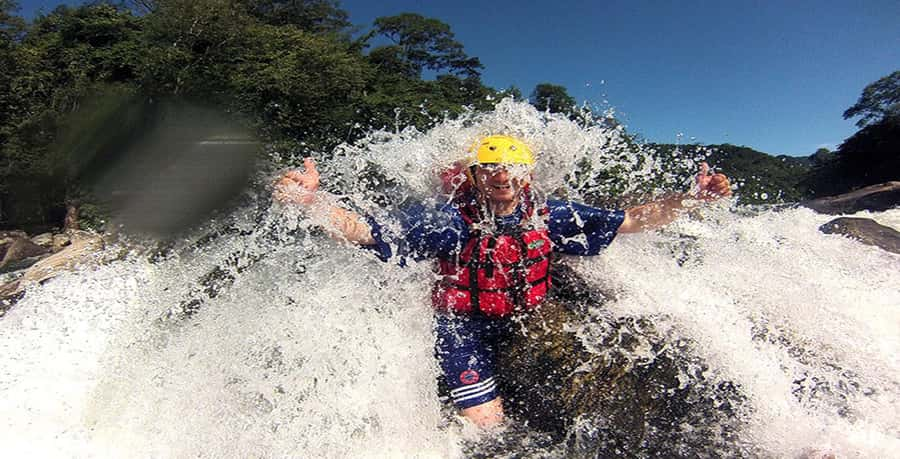
- A 12-kilometer river route: This is promoted as the longest and most intense rafting trip in Rio state.
- Rapids from Class 1 to 3+: The stronger water comes from October through April, while May through September is generally milder.
- A rare river meeting point: The run ends at the meeting of three rivers near Três Rios.
- A true countryside escape: You leave Rio’s beaches and high-rises for forest, mountains, farmland, and running water.
- Small groups and certified instructors: Groups are limited to six, with instructors certified by the International Rafting Federation.
- Lunch is part of the deal: A Brazilian homemade-food meal follows the river outing, though drinks cost extra.
Leaving Rio for Três Rios
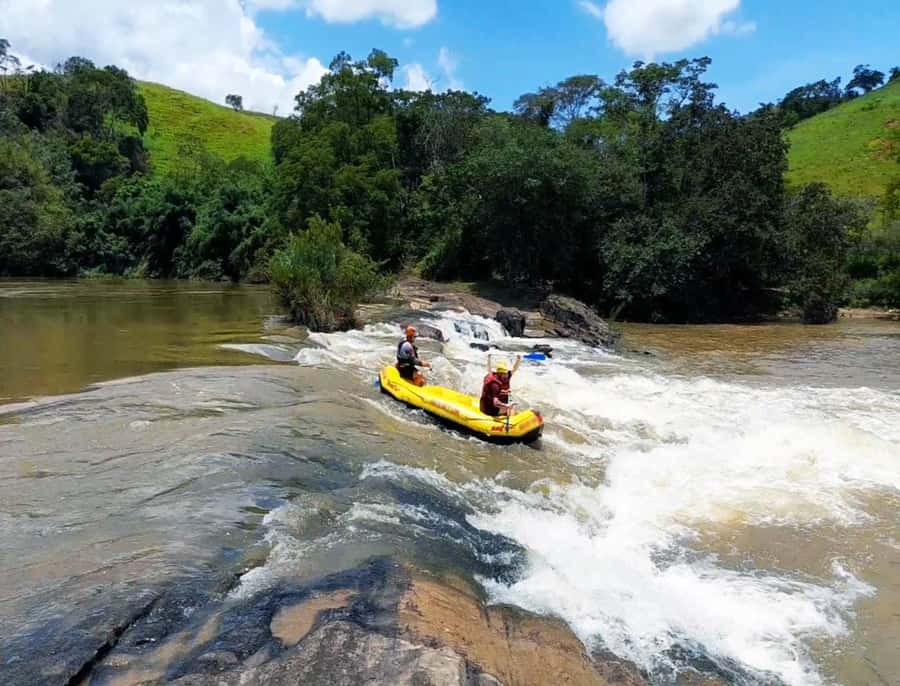
This is not a quick activity squeezed between Copacabana and Ipanema. It is a full 10-hour day trip into Rio state’s countryside, about 135 kilometers, or 83 miles, from the city.
Pickup is available in Copacabana, Ipanema, Leblon, Botafogo, Flamengo, and nearby parts of Rio’s South Zone. The exact pickup time depends on your address and is sent a few days ahead by WhatsApp or email. I would keep that morning flexible, since the drive is a major part of the day.
The road trip changes the feel of the outing before you ever reach the river. Rio de Janeiro is famous for ocean views, steep city hills, and packed streets. Três Rios offers something quieter: mountain vegetation, open countryside, and several rivers running through the region.
That contrast is the point. If you want an adrenaline activity without leaving Rio city limits, this is the wrong choice. If you want to see a less familiar side of the state and are willing to spend most of a day on it, the transfer makes good sense.
The small-group limit of six matters here. A long drive can feel tiring in a crowded van, but a smaller group generally makes pickup, equipment fitting, and communication easier. The guide can speak English, Portuguese, or Spanish, so you can request the language that suits you when booking.
A few more Rio de Janeiro tours worth weighing up
- Rio de Janeiro: Rocinha Favela Walking Tour with Local Guide
★ 4.8 · 3,052 reviews - Rio de Janeiro: Guided Jeep Tour through Tijuca Rainforest
★ 4.3 · 740 reviews - Jeep Adventure: Guided Tour through Tijuca Rain Forest
★ 4.0 · 554 reviews
Three hours on the river
After arrival in Três Rios, you receive a safety briefing and instruction before getting into the raft. The tour includes the raft and full equipment, along with an instructor who leads the group through the route.
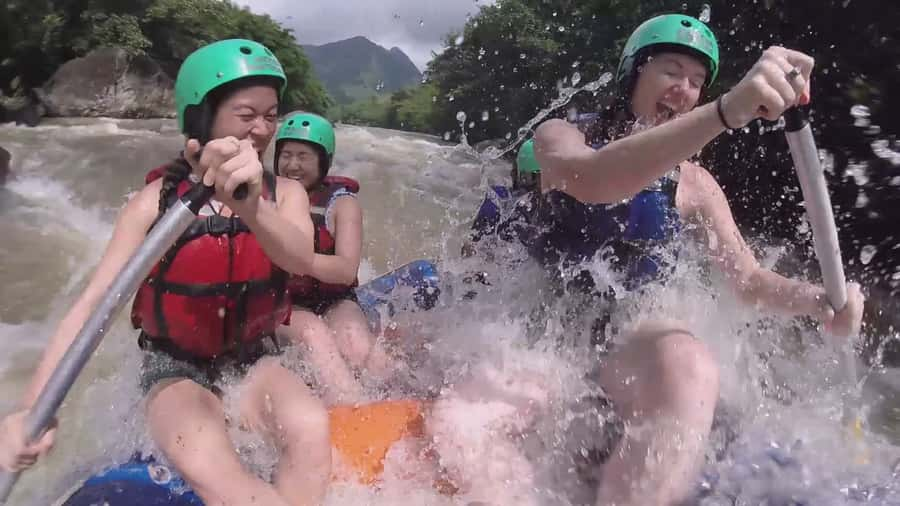
The river section covers 12 kilometers and lasts about three hours. Rapids range from Class 1 to Class 3+, depending partly on the season. From October through April, the stated range is Class 2 to 3+. From May through September, conditions are listed as Class 1 to 3.
That rating range gives you a useful clue about the experience. This is not a gentle sightseeing float from start to finish, but it is also not an extreme expedition reserved for expert paddlers. You should expect active stretches, instructions from the boat leader, and some quieter water between rapids.
The strongest conditions in the wetter part of the year may suit you if you want more action. In the drier months, the lower end of the rating range suggests a calmer run. Water levels can shape the feel of a rafting trip, so I would ask about current conditions if the intensity of the rapids is important to you.
The tour description calls this the most intense and longest rafting route in Rio. That claim should be understood in context. The trip has a long route and some Class 3+ water, but the three-hour run also includes calm river sections. One person who enjoyed the outing felt the route was somewhat long compared with the number of fast sections. That is a fair warning if you want nonstop whitewater.
I see the balance as a strength. You get exciting rapids without losing the chance to look around, catch your breath, and enjoy the countryside. If you are new to rafting, those quieter stretches can make the day feel manageable. If you are an experienced whitewater fan, you may want to confirm the water level and seasonal conditions before booking.
Calm water, swimming, and mountain views
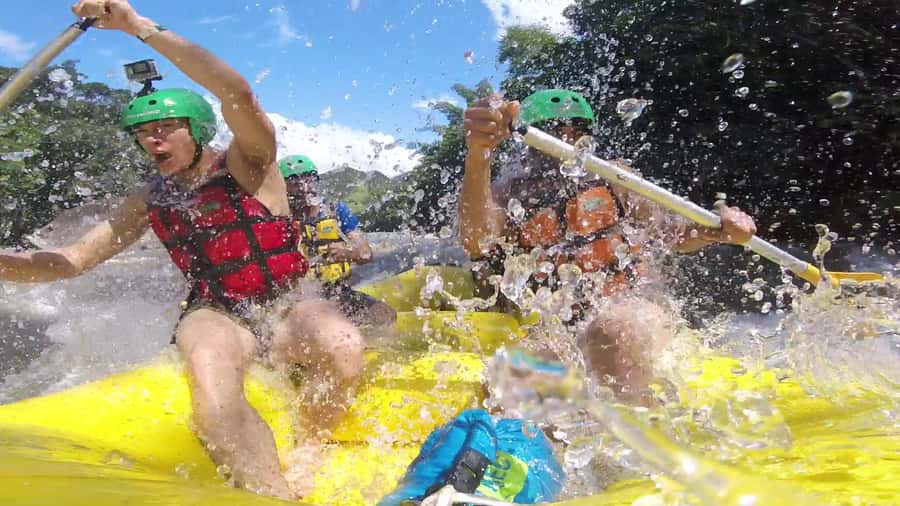
Between the rapids, the river settles down. These calmer parts allow time for floating and stopping at pleasant spots for a swim. Bring swimwear, a towel, sunscreen, water, and a change of clothes. Water shoes are useful, but closed-toe shoes are required, and open-toed shoes are not allowed.
I like this part of the plan because it keeps the trip from becoming a simple race through whitewater. You have time to notice the forest, flowers, animals, and mountain views around the river. One of the strongest impressions from the experience is the quiet: at points, the main sound is running water and wilderness.
Do not expect a polished resort setting. The appeal is the natural setting and the calm rural atmosphere. The area is also promoted for ecological and rural tourism, so the day connects rafting with a broader look at the countryside.
You should pack light. Large bags and luggage are not allowed in the rafting setup. A small practical kit is better: hat, breathable clothes, swimwear, sandals for after the run, water shoes or other permitted closed footwear, insect repellent, snacks, personal medication, and some cash.
A passport or identity card is requested, though a copy is accepted. I would also keep your phone and valuables protected, since the activity involves water and the provided information does not promise a storage arrangement for personal items.
The three-river meeting point
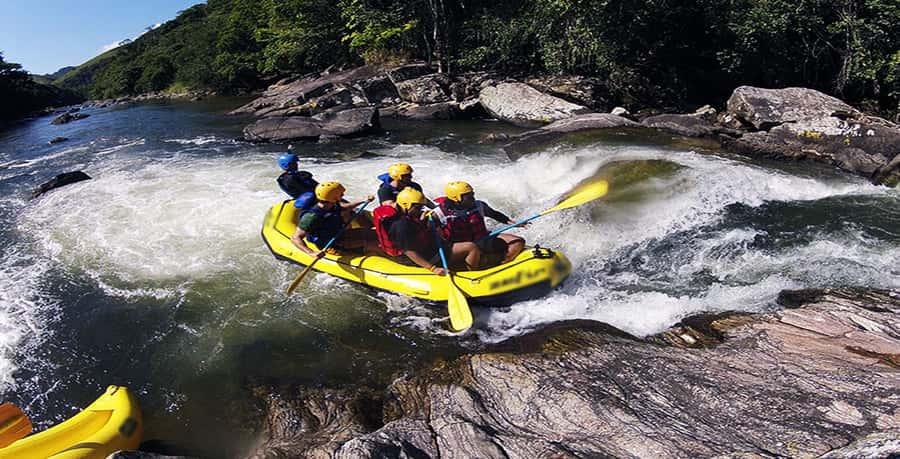
The final point of the rafting route is one of the day’s best details. The Paraibuna, Paraíba do Sul, and Piabanha rivers meet near Três Rios, forming what is described as the only triple delta in Latin America.
That gives the river trip a clear finish. You are not simply pulled out at a random roadside access point. The run ends at a place with geographic meaning, where three waterways come together in one setting.
This is also a good reason to look up from the raft between rapids. The river is not only an obstacle course. It is the feature that shaped the region, its rural activity, and its appeal as an ecological tourism destination.
The scenery receives especially strong praise in the available feedback. You may see mountain views, forests, flowers, and animals along the route, though exact sightings cannot be guaranteed. The strongest promise is the peaceful setting rather than a particular animal or plant.
Same city, a completely different kind of day:
- Rio de Janeiro: 6-Stop Highlights of Rio with Lunch
★ 4.4 · 5,157 reviews - Christ the Redeemer Entry Ticket by Corcovado Train
★ 4.4 · 4,476 reviews - Rio: Christ the Redeemer, Sugarloaf, Selaron & BBQ Lunch
★ 4.5 · 2,428 reviews - Rio De Janeiro: Half-Day Rocinha Favela Walking Tour
★ 4.7 · 2,272 reviews
Lunch after the rafting
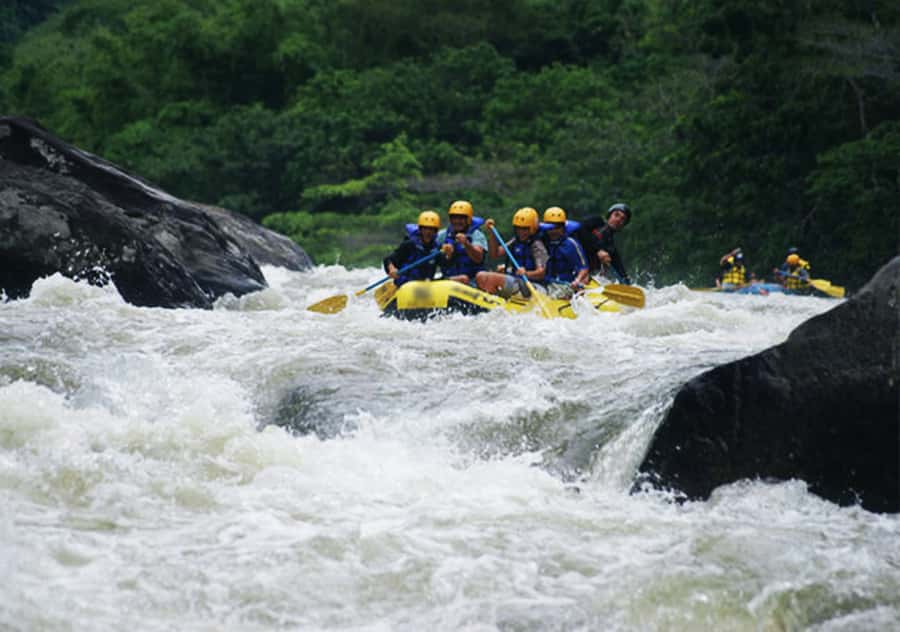
After the river, the group stops at a Brazilian homemade-food restaurant. Lunch is included, but drinks are not.
I consider this a useful part of the value. After three hours of physical activity, a proper meal is more welcome than a quick snack. It also keeps the day tied to local food rather than ending with a return to the van and a long ride back to Rio.
The meal is described as delicious homemade Brazilian food, but no fixed menu is provided. If you have dietary restrictions, ask ahead of time rather than assuming the restaurant can adjust every dish. Bring extra money for drinks and other personal purchases.
The stop lasts about one hour and may also include scenic views on the way. It is not a separate food tour, so food lovers should keep expectations sensible. The meal is a comfortable finish to an active outing, not the main attraction.
What the price includes at $206
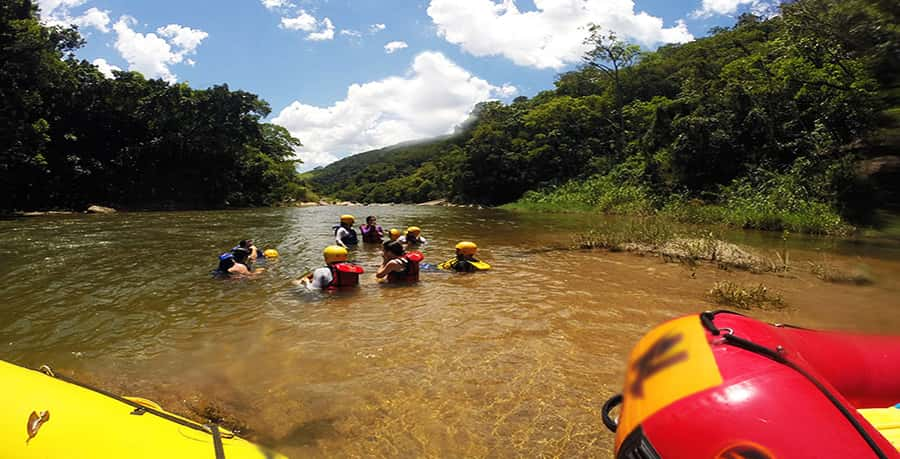
At $206 per person, this is a serious day-trip expense. The value depends on how you count the pieces: round-trip transport from central South Zone neighborhoods, an accredited guide, an instructor, rafting equipment, three hours on the river, and lunch.
The transfer is especially important. Getting from Rio to Três Rios independently would require planning transport, finding the rafting base, arranging equipment, and organizing a return. Here, those pieces are joined into one day, with pickup and drop-off included in the listed areas.
The small group also helps justify the cost. A maximum of six participants gives the outing a more personal setup than a large commercial raft operation. The provider has more than 40 years of local rafting experience, and the instructors are certified by the International Rafting Federation. Those details matter when you are trusting a company with transport, river equipment, and safety instructions.
Still, the price may feel high if your main goal is a short burst of whitewater. You are paying for the full countryside excursion, not just time in the rapids. If you value scenery, transport, lunch, and a small group, the price is easier to defend. If you want nonstop fast water, the calm stretches and long drive may make it feel less worthwhile.
Who should book this river trip
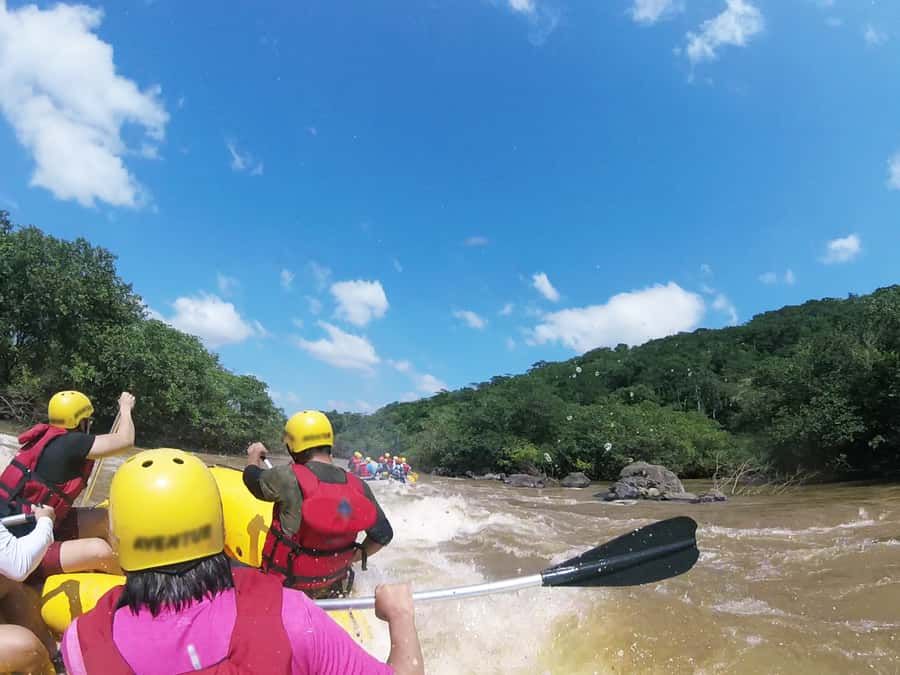
I would choose this outing if you want an active day away from Rio’s urban center. It suits people who enjoy a mix of rapids, swimming, rural scenery, and a relaxed meal afterward.
It is also a sensible option for first-time rafters who want instruction and certified staff. The rapids are active enough to feel like an adventure, but the route includes calm water and the stated range does not reach the highest whitewater classes.
Strong swimmers are not specifically required in the information provided, but you should be comfortable around moving water and follow the instructor’s directions. The activity is not suitable for people with mobility impairments.
Families, couples, and small groups of friends may all enjoy the format, provided everyone accepts the 10-hour schedule and the two-hour-plus road transfer. I would not pick it for someone with only one free afternoon in Rio, or for anyone who dislikes wet clothes, rural roads, or a full day outside the city.
Practical details before you go
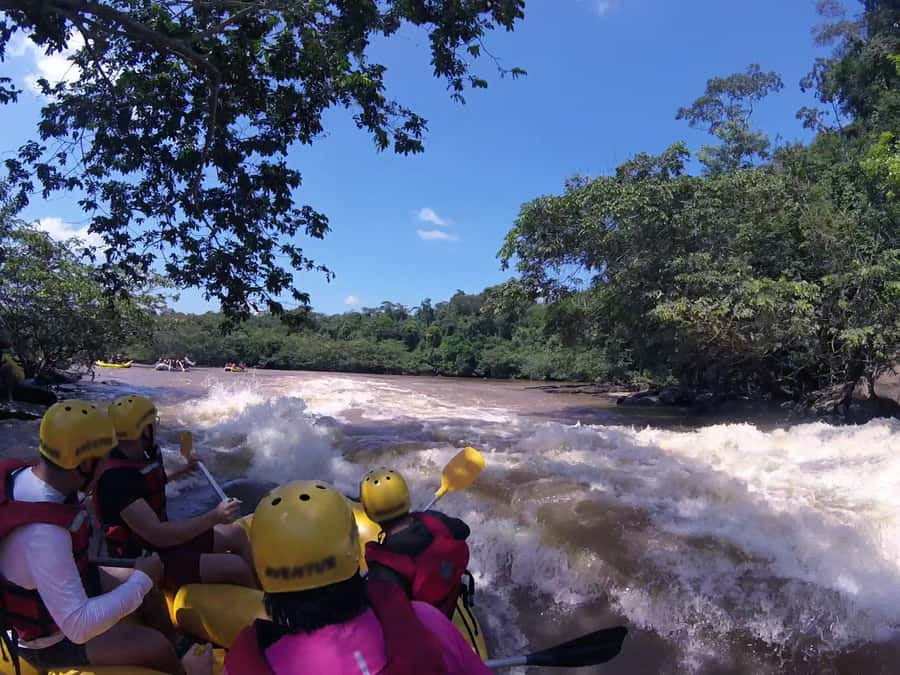
Pickup and drop-off cover Copacabana, Ipanema, Leblon, Botafogo, Flamengo, and nearby South Zone areas. If you are staying elsewhere in Rio, contact the operator about an additional transfer charge.
Bring a hat, sunscreen, insect repellent, water, snacks, personal medication, swimwear, a towel, breathable clothing, and dry clothes for the ride home. Closed-toe shoes are required, and large bags are not permitted.
The tour can be canceled up to 24 hours before departure for a full refund. You can also reserve now and pay later, which helps if you are still arranging your Rio schedule.
Should you book it?
Book this tour if you want to see Rio state beyond the famous beaches and city viewpoints. The best parts are the peaceful countryside, the long 12-kilometer route, the small group, the calm swimming sections, and the unusual meeting point of three rivers.
Think twice if you want a short, nonstop whitewater session. The trip takes about 10 hours, and some of the river is gentle. At $206, it works best for you if the whole day matters: transport, scenery, rafting, lunch, and a quiet look at the rural side of Rio.
FAQ
How long does the full tour last?
The full experience lasts about 10 hours, including transportation from Rio, rafting, lunch, and the return trip.
How long is the rafting section?
The rafting route covers about 12 kilometers and lasts approximately three hours.
Where does the rafting take place?
The rafting takes place near Três Rios, in the countryside of Rio de Janeiro state, about 135 kilometers from Rio city.
What class are the rapids?
From October through April, the rapids are listed as Class 2 to 3+. From May through September, they are listed as Class 1 to 3.
Is transportation from Rio included?
Yes. Round-trip transportation is included from Copacabana, Ipanema, Leblon, Botafogo, Flamengo, and nearby South Zone areas.
Is lunch included?
Yes. Lunch at a Brazilian homemade-food restaurant is included. Drinks are not included.
What languages are available?
The live guide service is available in English, Portuguese, and Spanish.
How large is the group?
The experience is limited to six participants.
What should I bring?
Bring a hat, swimwear, a change of clothes, a towel, sunscreen, water, insect repellent, breathable clothing, snacks, personal medication, cash, and suitable closed-toe footwear.
Are large bags allowed?
No. Luggage and large bags are not allowed. Open-toed shoes are also prohibited.
Just added around Rio de Janeiro
- Vidigal Favela Tour★ 4.4 · 26 reviews
- Hang gliding flight in Rio de Janeiro★ 5.0 · 6 reviews
- Rio de Janeiro: Zip Lining and Canopy Tree Tour★ 3.3 · 6 reviews
- Tijuca Forest Hike – Waterfalls & Caves, Nature & Wild Life!★ 5.0 · 51 reviews
- Unforgettable Boat Party★ 5.0 · 3 reviews
- Guided Tour to Favela Santa Marta★ 5.0 · 60 reviews
- Rio de Janeiro: Attend a Vasco da Gama game with local guide★ 4.8 · 9 reviews
- Rio Highlights: Christ, Sugarloaf, and More in a Private Tour★ 5.0 · 36 reviews
Guided, compared.

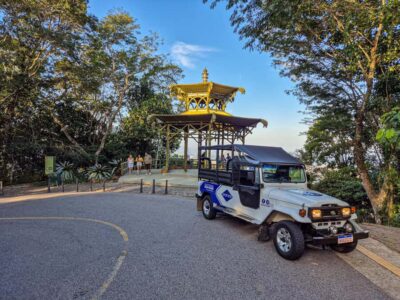
Jeep Adventure: Guided Tour through Tijuca Rain Forest
Read our review →

Favela Rocinha Tour with Local Guide & Secret Spots
Read our review →

Sunrise and Sunrise Walk Two Brothers with Local Guide
Read our review →