
Review · RIO DE JANEIRO
Rio de Janeiro Downtown Tour
Rio’s downtown packs a remarkable amount into a short ride: the Maracanã Stadium, Carnival’s Sambadrome, Lapa’s famous arches, the colorful Selarón Steps, and the gold-filled São Bento Monastery. I like the wide-ranging route and the chance to see both famous sights and less familiar civic buildings in one morning or afternoon.
I also like the small-group format and the personal touch that guides such as Meilin, Cabo, Mailee, and Monica have brought to past departures. The main trade-off is simple: this is largely a sightseeing ride, so traffic or limited stops may leave you viewing some places from the minivan rather than exploring them on foot.
Key points to know before booking
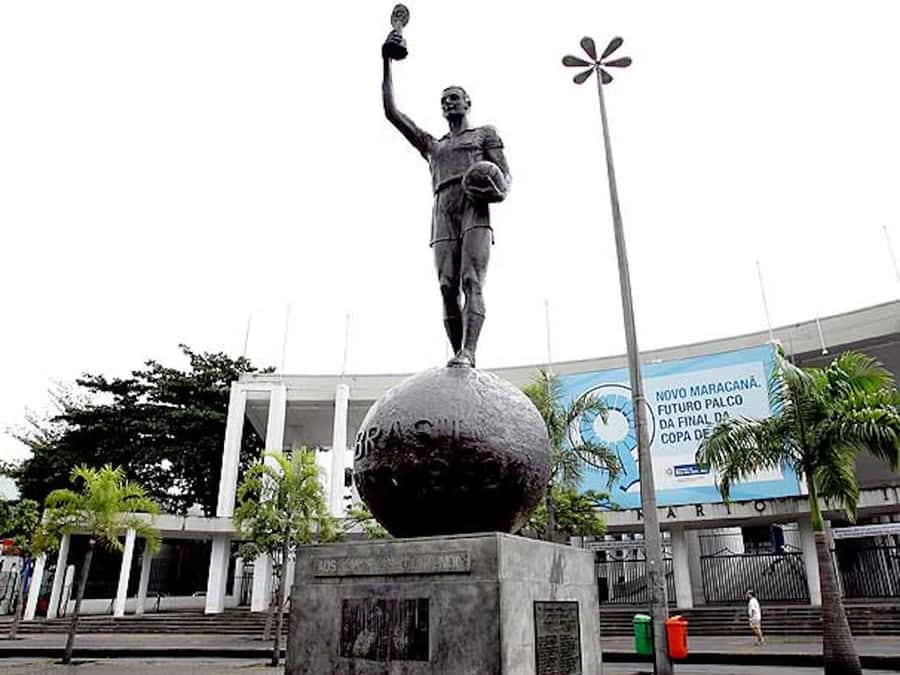
- Maracanã is a photo stop, not a stadium match experience: You see the Bellini statue and the famous football venue from the tour route.
- Carnival gets its own stop: The Sambadrome offers a useful look at the stadium built for Rio’s main parade.
- Lapa gives you the best short walking segment: You visit the Selarón Steps and see the Arches and Lavradio Street.
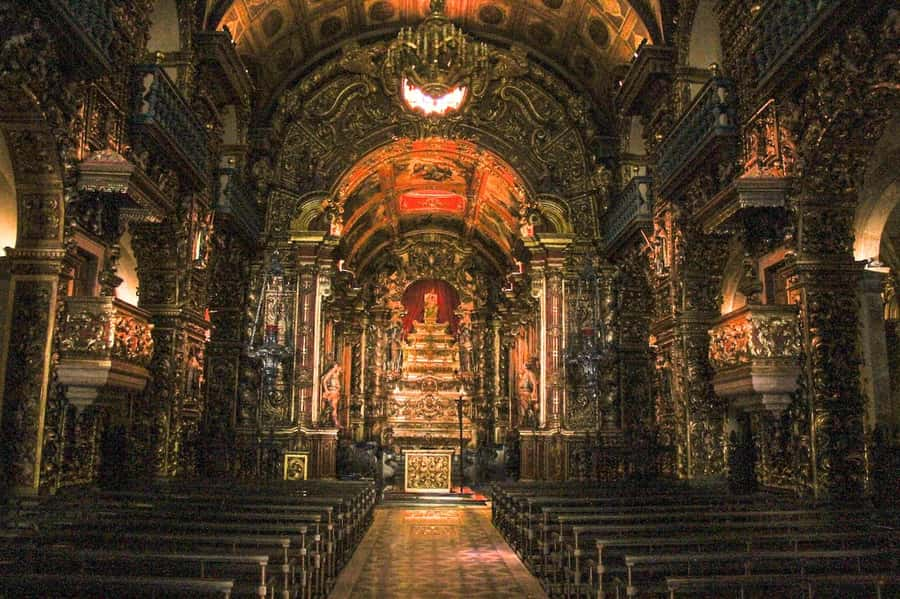
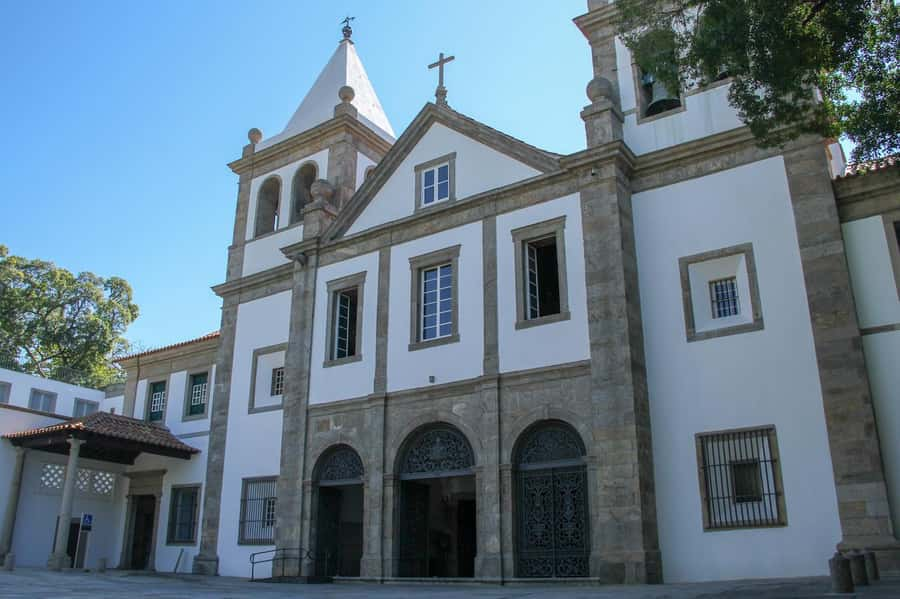
- São Bento Monastery is the interior highlight: Its plain exterior gives little warning of the lavish Baroque and Rococo decoration inside.
- The route ends with coastal views: Aterro do Flamengo brings the Museum of Modern Art, Flamengo Beach, Botafogo Beach, and the Church of Outeiro da Glória.
- Traffic affects the value: At $74 per person, the tour works best if you want orientation and guided commentary, not a long series of lengthy visits.
A fast introduction to Rio’s center
This three-hour tour is built as a grand overview. You are picked up at a selected hotel in Copacabana, Ipanema, or Leblon, then driven into central Rio and back along the Flamengo waterfront. It is a practical way to connect places that are spread across the city, especially if you have only a short stay.
The route moves quickly because it covers so much. You may stop for photos and short visits, but this is not a museum-by-museum walking tour. I would think of it as a guided first look, one that helps you decide which areas deserve a longer return visit.
Pick-up is scheduled between 2 and 2:30 pm. If your hotel is outside the included neighborhoods, the meeting point is the Hilton Hotel Copacabana. The ride uses an air-conditioned minivan and is offered in English or Spanish.
Other Rio de Janeiro days people book alongside this one:
- Rio de Janeiro: 6-Stop Highlights of Rio with Lunch
★ 4.4 · 5,157 reviews - Christ the Redeemer Entry Ticket by Corcovado Train
★ 4.4 · 4,476 reviews - Rio de Janeiro: Rocinha Favela Walking Tour with Local Guide
★ 4.8 · 3,052 reviews
Maracanã and the meaning of Brazilian football
The first major sight is Maracanã Stadium, one of Rio’s best-known landmarks. The itinerary includes the Bellini statue, a natural place for a quick photograph and a reminder of Brazil’s long football tradition.
Do not book this expecting a full stadium tour. The experience is designed around seeing the stadium and statue as part of a city circuit. Your time here may be brief, but the stop adds useful context before the route turns toward Carnival and the historic center.
For football fans, Maracanã can feel like a must-see. For others, it is still a good orientation point, since the stadium is tied so closely to Rio’s public life and sporting identity. The practical limitation is that a quick stop cannot show you every part of the venue.
The Sambadrome and Rio’s Carnival setting
Next comes the Sambadrome, the purpose-built stadium for Rio’s main Carnival parade. The broad parade avenue is the important feature here. It helps you picture the scale of the annual event better than a Carnival photograph or television broadcast can.
The stop is especially useful if you are curious about how Carnival works as a public spectacle. You see the physical setting where samba schools, floats, costumes, and crowds come together. As with Maracanã, the schedule favors an outside look and a short visit rather than an event inside the venue.
From there, the minivan follows Avenida Presidente Vargas. This long avenue gives you a succession of civic and transport landmarks, including Central Railway Station, Duque de Caxias Palace, and Itamaraty Palace.
Avenida Presidente Vargas and the city’s civic buildings
Central Railway Station is one of the route’s practical landmarks. It connects the tour to everyday Rio, not just postcard sights. The city’s rail network and major avenues make more sense when you see how the center is organized around them.
Duque de Caxias Palace was formerly the headquarters of the Ministry of the Armed Forces. It is followed by Itamaraty Palace, once the headquarters of the Ministry of Foreign Affairs. These buildings add an official, institutional side to the tour that is easy to miss if you visit only beaches and viewpoints.
You also pass Campo de Santana, then continue along Avenida Passos toward Tiradentes Square. This section is primarily viewed from the vehicle, so keep your expectations realistic. You get a stream of landmarks and historical orientation, but not much time to study every façade or wander each public space.
That arrangement can work well on a first day in Rio. It saves you from arranging separate taxis across several neighborhoods. It is less satisfying if you want long photo stops or detailed architectural study.
Same city, a completely different kind of day:
- Rio: Christ the Redeemer, Sugarloaf, Selaron & BBQ Lunch
★ 4.5 · 2,428 reviews - Rio De Janeiro: Half-Day Rocinha Favela Walking Tour
★ 4.7 · 2,272 reviews - Rio de Janeiro: Angra dos Reis and Ilha Grande Full-Day Tour
★ 4.6 · 1,673 reviews - Rio de Janeiro: Beginner Samba Lesson in Ipanema
★ 4.9 · 1,071 reviews
Lapa’s arches, Lavradio Street, and the cathedral
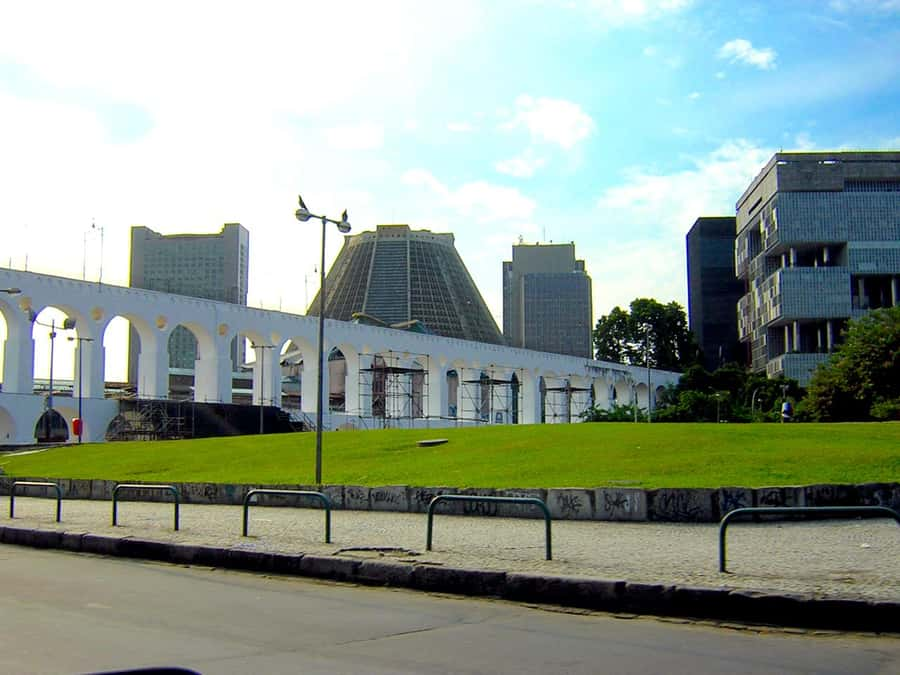
Lapa is where the tour becomes more atmospheric. The neighborhood is associated with Rio’s bohemian side, and the Lapa Arches are its most recognizable structure. The white arches were built as an aqueduct and now carry the city’s tram line, making them both a historic remnant and a working part of Rio’s urban fabric.
The route also includes Lavradio Street and Avenida Chile. These areas help connect the older center with the modern business district. You will see a mixture of public buildings, streets, and older architecture rather than one isolated monument.
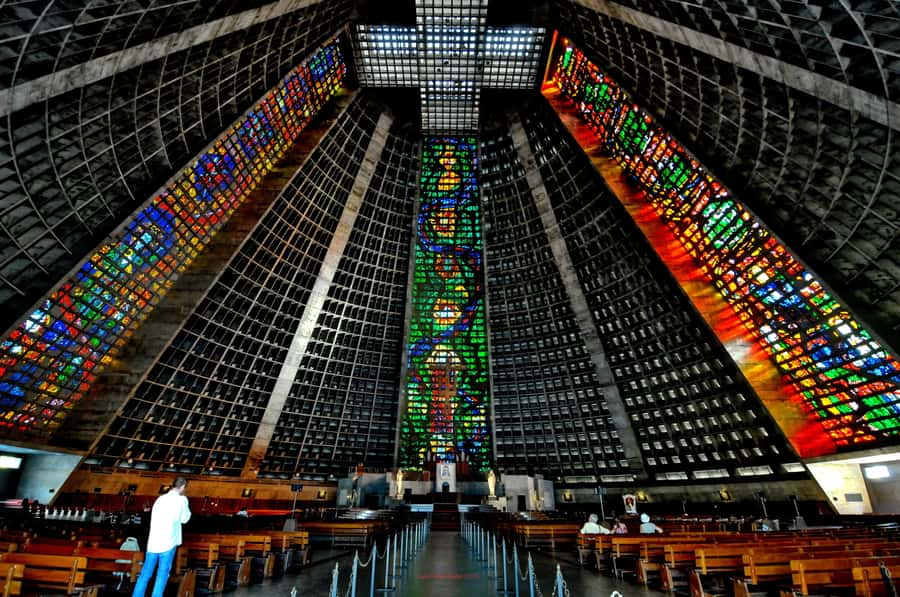
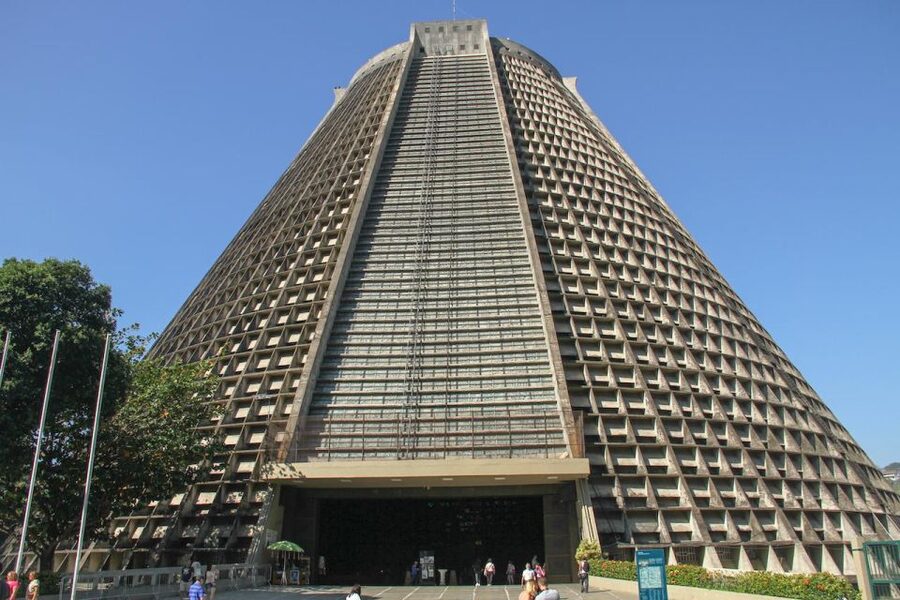
The Metropolitan Cathedral is one of the tour’s strongest visual stops. Its cone shape looks unlike the city’s colonial churches, and its huge interior is known for modern stained-glass design. Calling it a landmark is fair, but the more useful point is the contrast: this is a major church built in a modern style, not a traditional Brazilian religious building.
If you enjoy architecture, pay attention to the building’s geometry and light. If you prefer a slower visit, check how much time the guide allows inside, since the overall schedule is tight.
Selarón Steps, where Lapa turns into a work of art
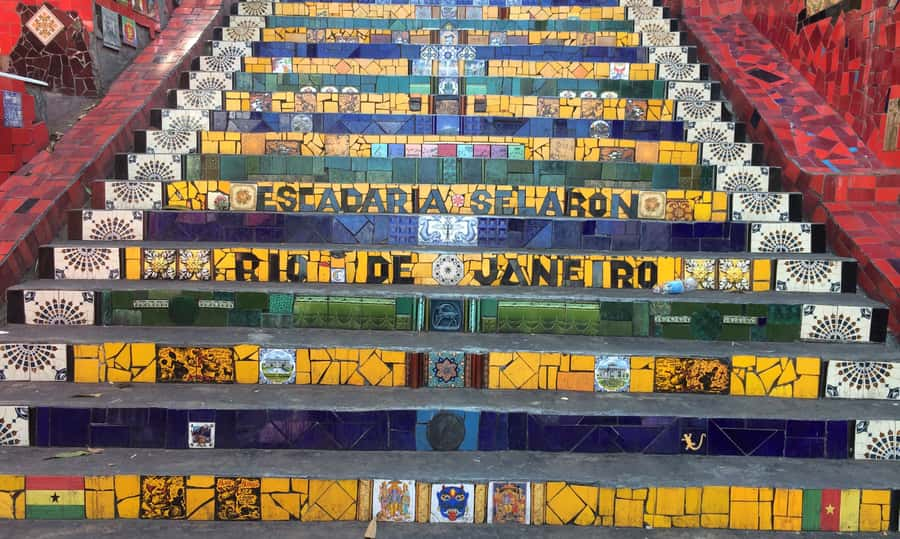
The Escadaria Selarón is likely to be the most immediately memorable stop. The staircase is covered in colorful tiles, with strong green, yellow, and blue tones that pay tribute to Brazil. Artist Jorge Selarón created the work, and the steps have become one of Rio’s most photographed urban sights.
This is one place where a short stop can still work well. The staircase is compact, visually striking, and easy to appreciate without a long lecture. You can look closely at the tile patterns, take photographs, and get a feel for Lapa’s creative character.
The steps are also a good reason to wear sensible shoes. The tour does not promise a long walk, but this stop involves getting out of the vehicle and walking around a public staircase. Your guide can help place the work in context, though the amount of time available will depend on traffic and the group.
São Bento Monastery and its surprising interior
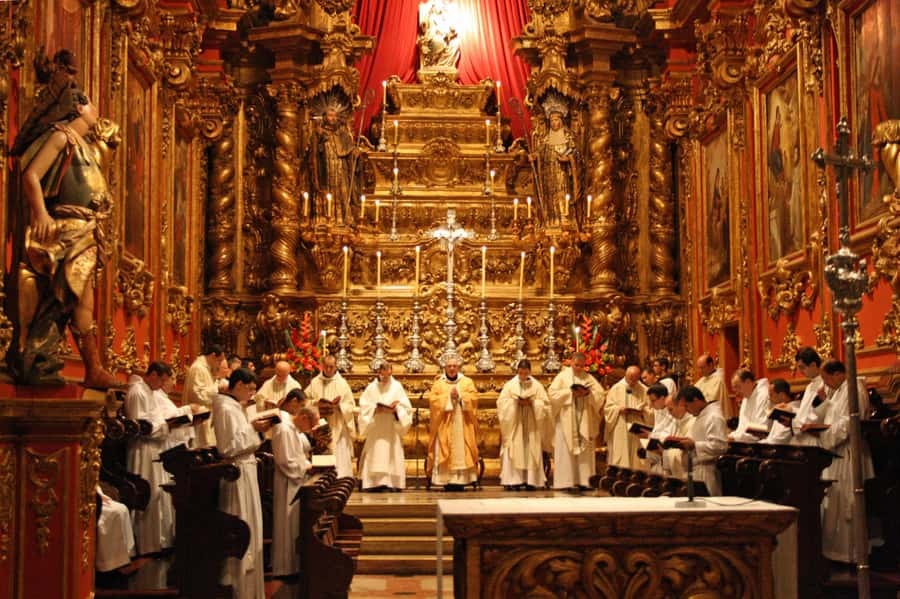
São Bento Monastery is the tour’s richest architectural contrast. From outside, the building has a restrained, monastic appearance. Inside, the mood changes sharply, with gilded Baroque carvings, plant motifs, and Rococo decoration around the high altar, cross vaulting, and Chapel of the Blessed Sacrament.
I especially like this stop because it rewards close attention. The exterior does not prepare you for the level of detail inside. In a few minutes, you can move from a plain religious complex to an interior filled with gold, carved ornament, and elaborate devotional art.
The monastery has been compared to a museum, but it remains a religious site. Keep your visit respectful and follow the guide’s instructions about where to stand and what areas are open. Since the tour covers a large part of central Rio, you should not assume you will have unlimited time inside.
For many people, São Bento is the best reason to choose this route over a simple drive through downtown. It offers something you cannot fully understand from a vehicle window.
The return through Flamengo and Botafogo
The last part of the tour follows Aterro do Flamengo, the broad waterfront park and road corridor between the city center and the southern neighborhoods. Along the way, you see the Museum of Modern Art, the Monument to the Fallen in World War II, the Church of Outeiro da Glória, Flamengo Beach, and Botafogo Beach.
This closing drive changes the mood of the day. The center brings churches, government buildings, stadiums, and dense streets. Flamengo and Botafogo bring open water views and a wider sense of Rio’s setting.
The Church of Outeiro da Glória is especially well placed for this transition. It rises above the surrounding area and is one of the city’s recognizable religious landmarks. The tour does not describe a separate interior visit here, so expect to see it as part of the route.
You finish back at your hotel in Copacabana, Ipanema, or Leblon. That return is useful if you are staying in one of those neighborhoods and do not want to arrange your own transport after a busy afternoon.
What the minivan format means for your day
A small air-conditioned minivan is a sensible choice for this itinerary. Rio’s center and southern neighborhoods are not arranged around one compact walking circuit, so a vehicle lets you cover far more ground than you could on foot in three hours.
The small-group setup also leaves room for a more personal experience. One person had a private departure because no one else had booked that time, and the guide and driver adjusted the outing around that person’s interests. You should not assume every departure will be private, but a small group gives the guide more flexibility than a large coach.
The drawback is traffic. One departure was judged too car-based, with long periods spent sitting in congestion and several landmarks viewed mainly through the window. That is the central issue to weigh before you pay.
I would choose this format if you want orientation, transport, and commentary in one package. I would not choose it as your only downtown experience if your main goal is to wander slowly, take architectural photographs, or spend an hour inside each major site.
Guides, languages, and the human side of the tour
The tour includes a live guide in English or Spanish. Several guides have received particularly warm personal praise, including Meilin, Cabo, Mailee, and Monica. Their described strengths include answering questions, adjusting the route to interests, and making the outing entertaining.
That matters because the itinerary is broad. A good guide can turn a sequence of drive-bys into a readable story about football, Carnival, government, religion, art, and Rio’s neighborhoods. The guide also helps you understand which stops deserve a return visit.
The experience depends partly on the individual guide and partly on traffic. If you value conversation and flexibility, tell the guide early what interests you most. You might prefer more time at Selarón Steps and São Bento, or you might want extra explanation at Maracanã and the Sambadrome.
Is $74 a fair price?
At $74 per person, the tour is not the cheapest way to see central Rio. You are paying for hotel transport from selected areas, an air-conditioned vehicle, a professional guide, and a tightly organized route across several districts.
The value is strongest when you have limited time or feel unsure about navigating Rio on your own. You see major sights that would require several separate rides, and you return to your hotel rather than solving the transport problem yourself.
The value is weaker if you expect every attraction to include a long guided visit. Much of the route is viewed from the minivan, and traffic can reduce the time available for stops. The price makes more sense for convenience and city orientation than for depth at each site.
Free cancellation up to 24 hours before departure and the option to reserve without paying immediately add useful flexibility. Confirmation is subject to availability within 24 hours of booking, so do not leave this until the last moment if the date matters.
Who should book this three-hour route?
I would recommend it to first-time visitors who want a broad introduction to Rio, especially those staying in Copacabana, Ipanema, or Leblon. It also suits visitors with only a few days in the city, since it links football, Carnival, downtown architecture, Lapa, a monastery, and the waterfront.
It is a good match for you if:
- You prefer a guide and arranged transport.
- You want to see many landmarks without planning several separate trips.
- You enjoy a mixture of architecture, public spaces, art, religion, and city views.
- You are comfortable with short stops and some sightseeing from the vehicle.
- You want English or Spanish guiding.
You may prefer a longer walking tour if you want to linger in Lapa, study the cathedral, or spend substantial time inside São Bento Monastery. You should also allow for traffic rather than treating the three-hour duration as three full hours of walking and sightseeing.
Final verdict: a strong overview with limited time on foot
Book this tour if your goal is to get your bearings and see the main pieces of Rio’s center in one organized outing. The combination of Maracanã, the Sambadrome, Lapa, Selarón Steps, São Bento Monastery, and Flamengo gives you a surprisingly broad introduction.
The most important caution is the pace. At $74, you should be happy with a panoramic city tour that includes several brief stops, not expect an in-depth visit to every attraction. If that trade-off suits you, the route offers good coverage, helpful guides, and an easy return to your hotel.
FAQ
How long is the Rio de Janeiro Downtown Tour?
The tour lasts three hours.
How much does the tour cost?
The listed price is $74 per person.
Where does hotel pick-up take place?
Pick-up is available from selected hotels in Leblon, Ipanema, and Copacabana.
What if my hotel is outside the pick-up area?
The meeting point for hotels outside the pick-up area is the Hilton Hotel Copacabana.
What time is hotel pick-up?
Pick-up is scheduled between 2 pm and 2:30 pm from selected hotels.
Which languages are available?
The live guide is available in English or Spanish.
Is transportation included?
Yes. Transport is provided in an air-conditioned minivan, with hotel pick-up and drop-off included for selected hotels.
Does the tour include a visit to Maracanã Stadium?
The itinerary includes a visit to Maracanã Stadium and the Bellini statue. The supplied details do not describe a full stadium interior tour.
Can I cancel for a full refund?
Yes. You can cancel up to 24 hours in advance for a full refund.
Just added around Rio de Janeiro
- Vidigal Favela Tour★ 4.4 · 26 reviews
- Hang gliding flight in Rio de Janeiro★ 5.0 · 6 reviews
- Rio de Janeiro: Zip Lining and Canopy Tree Tour★ 3.3 · 6 reviews
- Tijuca Forest Hike – Waterfalls & Caves, Nature & Wild Life!★ 5.0 · 51 reviews
- Unforgettable Boat Party★ 5.0 · 3 reviews
- Guided Tour to Favela Santa Marta★ 5.0 · 60 reviews
- Rio de Janeiro: Attend a Vasco da Gama game with local guide★ 4.8 · 9 reviews
- Rio Highlights: Christ, Sugarloaf, and More in a Private Tour★ 5.0 · 36 reviews