
Review · RIO DE JANEIRO
Pantanal of Rio de Janeiro
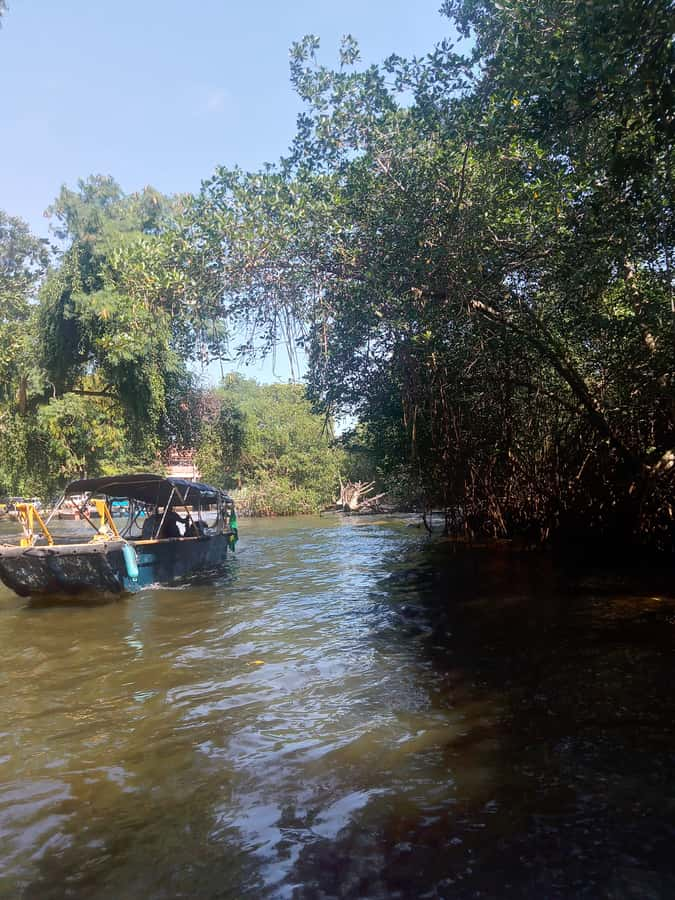
Rio’s Pantanal is not far-flung wilderness. It is a surprising pocket of waterways, mangroves, islands, and wildlife in the city’s Barra da Tijuca district. From the boat, you can look for caimans and capybaras while Pedra da Gávea rises behind the water, giving the outing a very Rio setting. I especially like the chance to see Gigóia Island and the way this trip shows a quieter side of the city.
I also like that the guide speaks English, Portuguese, and Spanish, and that the three-hour route leaves time for a walk and an optional visit to Barra da Tijuca beach. The main caution is price: the advertised cost is $32 per person, but the boat is paid separately at R$60 in cash, or with a 5 percent card surcharge.
Key points
- Wildlife close to the city: Look for caimans, capybaras, and other animals among the islands and mangroves.
- A boat route through Rio’s archipelago: The water trip links natural scenery with views of Pedra da Gávea.
- Gigóia Island visit: Walk around the largest island in the archipelago and see a more local side of Barra da Tijuca.
- Three language options: The guide service is offered in English, Portuguese, and Spanish.
- Optional beach stop: Add Barra da Tijuca beach if the timing and route allow.
- Extra boat cost: Pay the captain R$60 separately, with a 5 percent surcharge for card payment.
Rio’s urban wetlands at the edge of Barra
The name Pantanal can suggest Brazil’s enormous western wetland, but this experience takes place in Rio de Janeiro City. Its setting is smaller and more urban, yet the contrast is the point. You leave the subway near Jardim Oceânico and soon find yourself among waterways, islands, mangroves, and animals, with high rock formations nearby.
I like this sort of outing because it changes your view of Rio. The city is famous for beaches, hills, and grand viewpoints. Here, you get a different mix: water at eye level, green mangrove edges, island life, and the unmistakable profile of Pedra da Gávea in the distance.
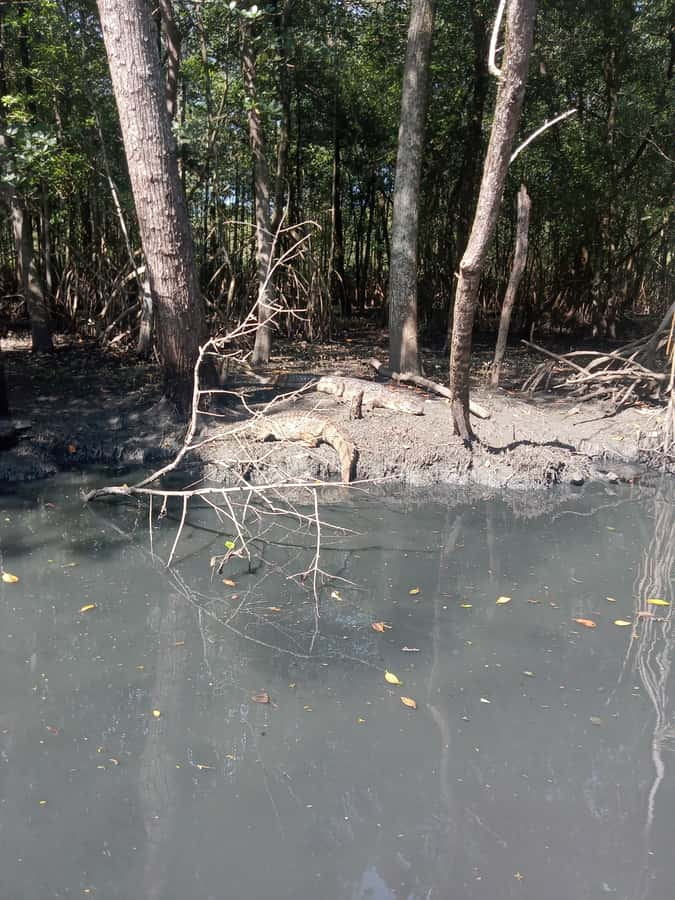
The wildlife is not guaranteed to pose on cue. Still, caimans and capybaras are the main draw, and the boat gives you a better chance to scan the banks and shallows than a quick roadside stop would. You should bring patience and keep your eyes open. This is an animal-watching trip, not a zoo visit.
Other Rio de Janeiro days people book alongside this one:
- Rio de Janeiro: 6-Stop Highlights of Rio with Lunch
★ 4.4 · 5,157 reviews - Christ the Redeemer Entry Ticket by Corcovado Train
★ 4.4 · 4,476 reviews - Rio de Janeiro: Rocinha Favela Walking Tour with Local Guide
★ 4.8 · 3,052 reviews
Meeting at Jardim Oceânico station
The meeting point is in front of the Jardim Oceânico subway station, at Exit A. That makes the start fairly clear, but you should allow enough time to find the correct exit and connect with the guide before the scheduled departure.
The station is in Barra da Tijuca, well away from Rio’s central sights. The location matters because the tour is built around the waterways of this part of the city, not the harbor near downtown or the famous beaches around Copacabana and Ipanema.
Communication has generally been clear, but one practical issue is worth knowing. A guide was late on one occasion, and the booking system showed the activity as already started, which caused understandable concern. If your guide is not immediately visible, check your messages and stay at the stated meeting point rather than assuming you missed the tour.
The boat ride through the island waterways
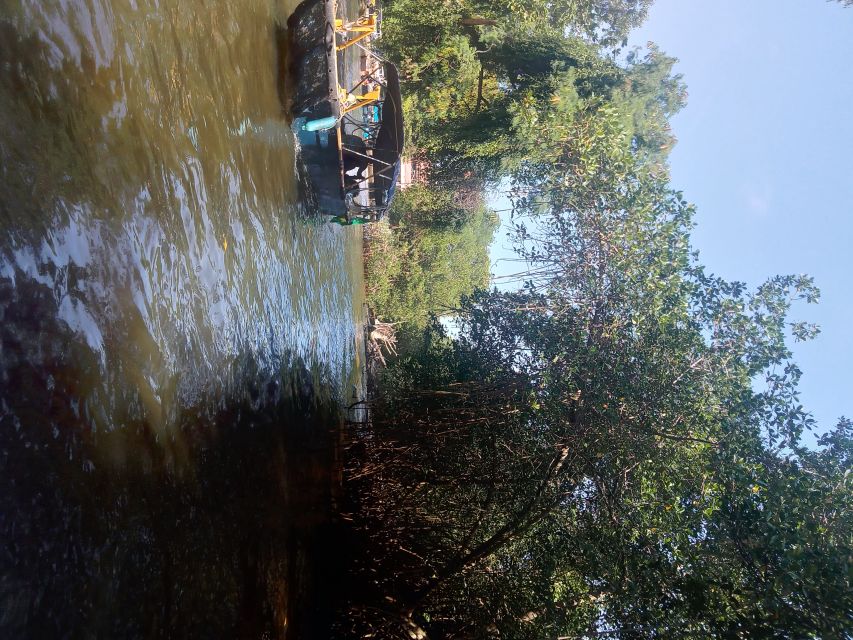
The boat is the heart of the outing. You travel through the archipelago around Gigóia Island, passing water, mangrove growth, and low-lying island edges. The route lets you see how natural spaces and city neighborhoods sit side by side in Barra da Tijuca.
The boat payment is separate from the main booking price. Give R$60 directly to the captain. Cash is the better choice, since card payment adds 5 percent. This extra charge is easy to miss when comparing tour prices, so include it in your real budget before booking.
From the water, the views combine several Rio signatures. You have the broad rock face of Pedra da Gávea, the mangrove channels, and the chance to spot animals along the banks. The trip is less about a long list of landmarks and more about watching the surroundings change as the boat moves between open water and island passages.
Your guide supplies the explanation in English, Portuguese, or Spanish. That adds real value here because the scenery alone will not explain how the islands fit together or why this area feels so different from Rio’s better-known tourist zones. The guide can also help you notice animals that are easy to miss from the boat.
Looking for caimans and capybaras

Caimans and capybaras are the stars of the wildlife portion. You may see caimans resting near the water or capybaras along the shore, along with other animals found in the area. The trip’s appeal comes from seeing these creatures in their own watery setting, with the city still close by.
The experience is best for people who enjoy observation rather than guaranteed sightings. If you need a packed schedule of attractions, this may feel slow. If you like scanning the banks, listening to local explanations, and waiting for an animal to appear, the pace works better.
The boat also gives you a safer and more natural viewing position than walking directly through the mangrove edges. Keep your phone or camera ready, but do not let photography take over the whole ride. You can miss a capybara while framing Pedra da Gávea.
Same city, a completely different kind of day:
- Rio: Christ the Redeemer, Sugarloaf, Selaron & BBQ Lunch
★ 4.5 · 2,428 reviews - Rio De Janeiro: Half-Day Rocinha Favela Walking Tour
★ 4.7 · 2,272 reviews - Rio de Janeiro: Angra dos Reis and Ilha Grande Full-Day Tour
★ 4.6 · 1,673 reviews - Rio de Janeiro: Beginner Samba Lesson in Ipanema
★ 4.9 · 1,071 reviews
Gigóia Island and a slower side of Rio
Gigóia Island is the largest island in the archipelago and an important part of the visit. The tour includes time on the island, where you get a closer look at local surroundings rather than seeing everything from the boat.
This stop helps explain why the outing feels different from a standard Rio sightseeing tour. You are not simply ticking off a monument. You are seeing an island community and a water-based part of the city that many first-time visitors never reach.
You may also find restaurants on the island after the tour. A useful tip is to consider staying for food if you have the time, especially because the island offers views from the water and a change of pace from the main city attractions. One guide, Ione, recommended a restaurant with a fine view to a couple on the tour.
Getting back can require a water taxi, depending on where you eat and how you leave the island. That taxi cost R$6 for one reported return, so carry a little extra cash. The exact arrangements are not presented as part of the main tour price, which means you should ask your guide before settling in for a meal.
Pedra da Gávea from the water
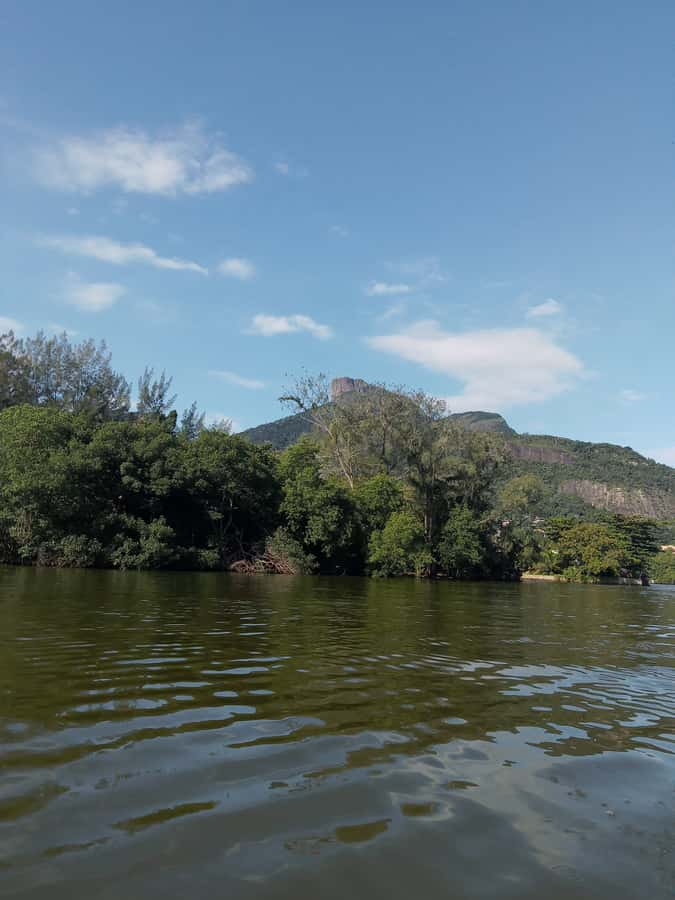
Pedra da Gávea gives the boat ride its classic Rio frame. Seen from the water, the large stone formation adds drama to an otherwise low, watery setting. You get a useful contrast between Rio’s famous rock scenery and the quieter channels below it.
This is not a hike to the top of Pedra da Gávea. You are viewing it from the boat and nearby waterways. That distinction matters if you are expecting a strenuous mountain outing. The value here is the combination of rock, mangrove, river, and wildlife in one short trip.
I like the way this setting connects two sides of Rio. The city’s grand natural features are still present, but the focus shifts from lookout points and crowded beaches to water, animals, and island life.
The optional Barra da Tijuca beach stop
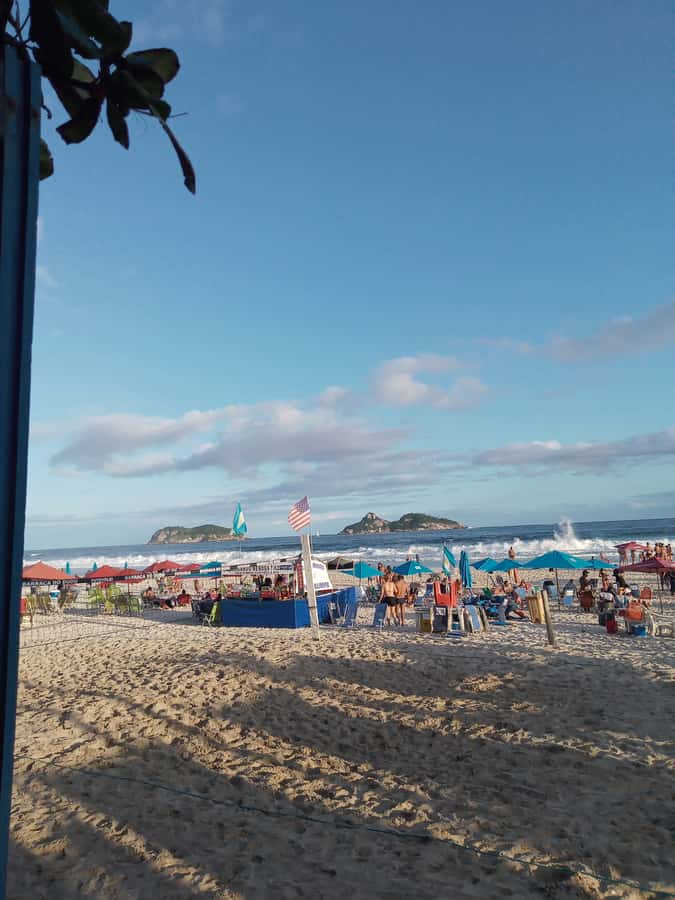
Barra da Tijuca beach is an optional part of the experience. It gives you a chance to add one of Rio’s long coastal stretches to a tour otherwise focused on inland waterways and islands.
The beach stop is useful if you have not planned separate time in Barra da Tijuca. It also helps you understand the area as a whole: the tour moves from the lagoon and archipelago to the coast, with the district’s water-based character tying it together.
Because the beach visit is optional, do not assume it will receive the same amount of time as the boat route. Ask the guide about the day’s timing if the beach is a priority. The core experience remains the boat trip, wildlife watching, and Gigóia Island.
A guide can make or break the three hours
The guide service is offered in English, Portuguese, and Spanish. That is particularly helpful if you want more than a scenic ride, since the guide can answer questions about the area, Brazilian culture, local development, and the places along the route.
Ione received especially warm praise for her Spanish and her calm way of explaining the area. She also handled questions about Brazil’s culture, history, and development in a way that made the outing more than a wildlife ride. A separate English-language outing was also praised for clear explanations of the area and for strong English.
The one service issue to keep in mind is possible lateness at the meeting point. Communication about the delay has not always been ideal. If you are on a tight schedule, allow some breathing room around the three-hour duration.
Is the $32 price fair?
At $32 per person, the tour is reasonably priced only if you remember that the boat fee is extra. Add R$60 for the captain, paid separately, plus the 5 percent card surcharge if you do not pay cash.
The price makes more sense if you value a guide, multilingual help, a boat route, island time, and the chance to see animals without arranging the outing yourself. It is less attractive if you mainly want a short boat ride or a quick look at caimans and capybaras. One person felt the total cost was too high for the amount of sightseeing beyond the wildlife and island.
For a three-hour activity, the value depends on your interest. Nature fans and repeat visitors to Rio may find the setting worth the cost because it reaches a part of the city that is easy to overlook. First-time visitors with only a day or two may prefer Rio’s major viewpoints and beaches.
Who should book this experience?
I would choose this tour if you want a break from Rio’s usual sightseeing circuit. It suits you if you enjoy animals, water, local neighborhoods, and a guide who can explain what you are seeing. It is also a good fit for families and mixed-age groups who want a relaxed outing rather than a demanding hike.
You should be comfortable with a degree of uncertainty. Wildlife sightings are the purpose, but no one can promise exactly what will appear. The tour also has an added boat charge, and the optional beach and restaurant time may require extra planning.
If your idea of Rio is limited to Sugarloaf Mountain, Christ the Redeemer, and the famous central beaches, this trip adds something genuinely different. If you want nonstop landmarks and a tightly packed schedule, it may feel too quiet.
Practical details before you book
The advertised duration is three hours, and starting times depend on availability. You can cancel up to 24 hours in advance for a full refund, and the booking option allows you to reserve now and pay later.
Bring cash for the R$60 boat payment and for possible island expenses. If you plan to eat on Gigóia Island or use a water taxi afterward, keep additional reais available. Card payment is possible for the boat, but it costs 5 percent more.
The tour is available with a live guide in English, Portuguese, or Spanish. Confirm your selected language when booking, then meet in front of Jardim Oceânico subway station at Exit A.
Should you book the Pantanal of Rio de Janeiro?
Book it if you want to see caimans, capybaras, mangroves, and Gigóia Island in one short outing, especially if you have already seen Rio’s best-known sights. The views of Pedra da Gávea and the guide’s local explanations add substance to the boat trip.
Skip it if you want guaranteed close-up wildlife, a very low total cost, or a full day of famous landmarks. For everyone else, this is a worthwhile change of rhythm, provided you budget for the separate boat fee and allow some flexibility around the meeting time.
FAQ
Where does the tour meet?
The meeting point is in front of Jardim Oceânico subway station, at Exit A.
How long does the experience last?
The tour lasts three hours.
What animals might I see?
The tour focuses on caimans, capybaras, and other animals found around the waterways and islands.
Is the boat included in the main price?
No. The boat costs R$60 per person and is paid directly to the captain.
Can I pay the boat fee by card?
Yes, but card or debit payment has a 5 percent surcharge. Cash payment avoids that extra charge.
Which languages are available?
The live guide service is available in English, Portuguese, and Spanish.
Does the tour visit Gigóia Island?
Yes. The itinerary includes Gigóia Island, the largest island in the archipelago.
Is Barra da Tijuca beach included?
A visit to Barra da Tijuca beach is optional.
Can I cancel the booking?
Yes. You can cancel up to 24 hours in advance for a full refund. You can also reserve now and pay later.
Just added around Rio de Janeiro
- Vidigal Favela Tour★ 4.4 · 26 reviews
- Hang gliding flight in Rio de Janeiro★ 5.0 · 6 reviews
- Rio de Janeiro: Zip Lining and Canopy Tree Tour★ 3.3 · 6 reviews
- Tijuca Forest Hike – Waterfalls & Caves, Nature & Wild Life!★ 5.0 · 51 reviews
- Unforgettable Boat Party★ 5.0 · 3 reviews
- Guided Tour to Favela Santa Marta★ 5.0 · 60 reviews
- Rio de Janeiro: Attend a Vasco da Gama game with local guide★ 4.8 · 9 reviews
- Rio Highlights: Christ, Sugarloaf, and More in a Private Tour★ 5.0 · 36 reviews