
Review · RIO SAMBA NIGHTS
Rio: Carnival Backstage Tour at Samba City with Cocktail
Rio Carnival is not built in a few glittering nights at the Sambadrome. It takes months of design, carving, painting, sewing, rehearsing, and frantic teamwork. This Samba City backstage tour lets you see that work up close, including floats and thousands of costumes linked to Grande Rio, the 2022 Carnival champion.
I especially like the costume try-on, which turns a history lesson into a playful photo moment, and the short samba workshop, taught by a professional dancer. The main drawback is finding the entrance: the warehouse complex can feel confusing, and several people have had trouble spotting the meeting point.
Key things to know before you book
- You enter the working world of Grande Rio, where floats and costumes are prepared for a judged Carnival competition.
- The tour mixes information with participation, including costume dressing, samba steps, and a caipirinha.
- It runs about 90 to 150 minutes, so it fits neatly into a Rio sightseeing day.
- The City of Samba is in the port district, close to AquaRio, Rio Star, and a VLT stop.
- Photography is restricted indoors, so follow the guide’s instructions about where costume pictures are allowed.
- The $27 price is strong value if you want context before attending a Sambadrome parade.
Why Samba City explains Rio Carnival better than a parade seat
A Carnival parade can overwhelm you. Music pounds, feathers flash past, and a float disappears before you have worked out what you just saw. This visit slows the spectacle down and shows you the machinery behind it.
The parade is also a competition between samba schools. Each school develops a theme, creates a visual story, builds enormous floats, prepares costumes for thousands of participants, and rehearses its music and movement. Judges assess the result, so the glitter is not decoration for decoration’s sake. Every section has a role.
That is the useful idea to carry into the tour. You are not simply looking at old costumes in a warehouse. You are learning how a samba school turns a theme into a parade that must work as art, theater, music, and organized mass movement.
The guide explains the background in plain terms, with the exact balance depending on the person leading your group. Guides named in visitor feedback include Sol, Ton, Lea, Lias, and Jaquel, along with an enthusiastic Argentinian guide. The guide language options are broad: English, Portuguese, Spanish, French, German, Hebrew, and Italian.
More samba nights in Rio de Janeiro:
- Rio de Janeiro: Beginner Samba Lesson in Ipanema
★ 4.9 · 1,071 reviews - Rio: Pub Crawl in Lapa with Cachaça Tasting and Live Samba
★ 4.7 · 881 reviews - Hop-ON Hop-OFF Sightseeing Bus in Rio de Janeiro – Rio Samba Bus
★ 3.5 · 457 reviews
Finding the City of Samba in Rio’s port district
The City of Samba is a large complex of light-brown warehouses in Rio’s port area. The main entrance is on Binário do Porto Avenue, almost opposite the Rio Star Ferris wheel and near the Cidade do Samba VLT station. AquaRio is about 200 meters away.
This sounds simple on a map, but the entrance is the one part that needs care. The warehouses do not feel like a typical attraction, and the meeting point can be easy to miss. Look for the Carnaval Experience team in colorful shirts, either in the square or outside the Grande Rio warehouse.
If you use the VLT, get off at Cidade do Samba. By taxi, Uber, or another ride app, search for Carnaval Experience or Cidade do Samba main entrance rather than relying on a vague port-area address. Paid street parking is available at 60 Rivadávia Corrêa, but public transport or a ride is likely less stressful.
Give yourself extra time. Arriving just before the start may leave you circling the complex while the group gathers. Optional pickup is available, but transport is not included in the basic ticket. If you arrange a pickup, the driver arrives 15 minutes early, and you should wait in your hotel lobby or at the agreed meeting spot.
Inside Grande Rio’s Carnival workshop
The first major stop is the production area connected with Grande Rio. This is where the tour earns its keep. Instead of seeing only the finished parade, you get an idea of the scale of the operation and the labor behind it.
The workshop deals with floats, props, decorations, and costumes. The full Carnival production can involve more than 3,000 costumes, which gives you a better sense of why the work begins almost as soon as the previous Carnival ends. A single parade night depends on a long chain of planning and construction.
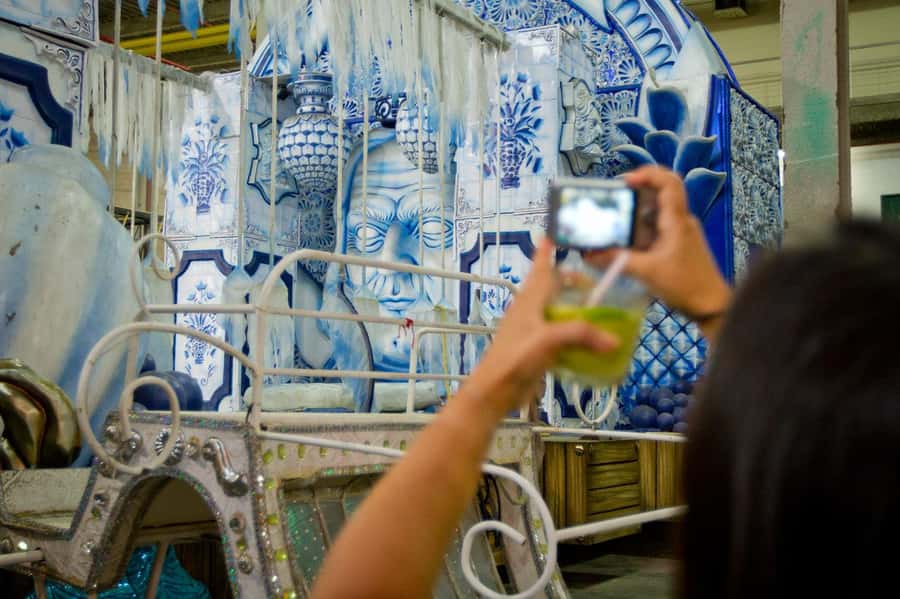
You will see float structures and decoration work up close. The exact state of the workshop depends on the time of year. Near Carnival, activity can feel especially urgent because the next parade is close. At other times, you may see finished pieces from a past parade and learn how designs are developed and stored.
Do not expect a full factory demonstration of every stage. One person specifically hoped to see more costumes being made, and that is a fair point. The visit offers a backstage look, but it is primarily a guided experience about the process, not a hands-on craft class.
That distinction matters. If you want to watch seamstresses work or see an entire float built from bare materials, the timing of your visit will make a difference. If you want to understand how the parade is planned and appreciate the scale of the finished show, the tour delivers more consistently.
Costume displays and the best photo opportunity
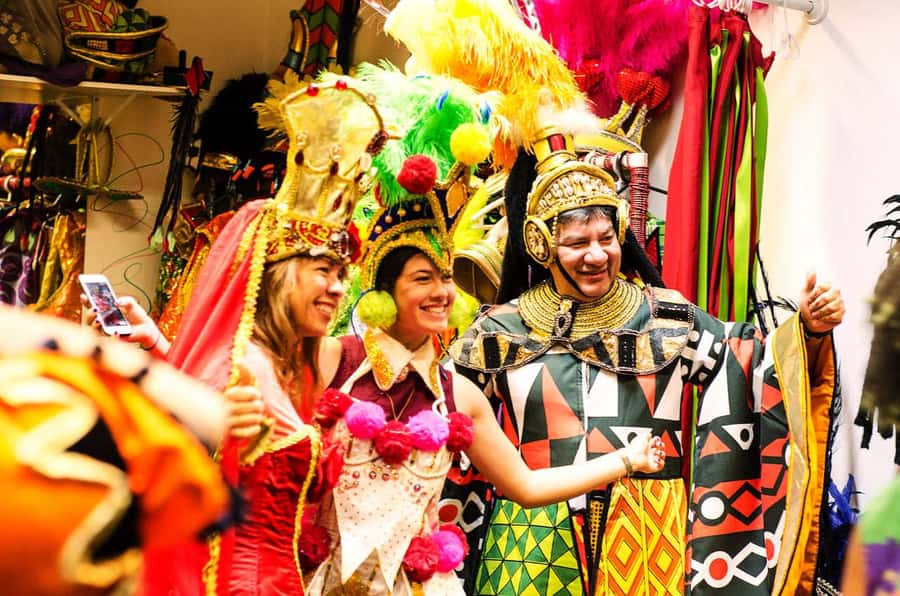
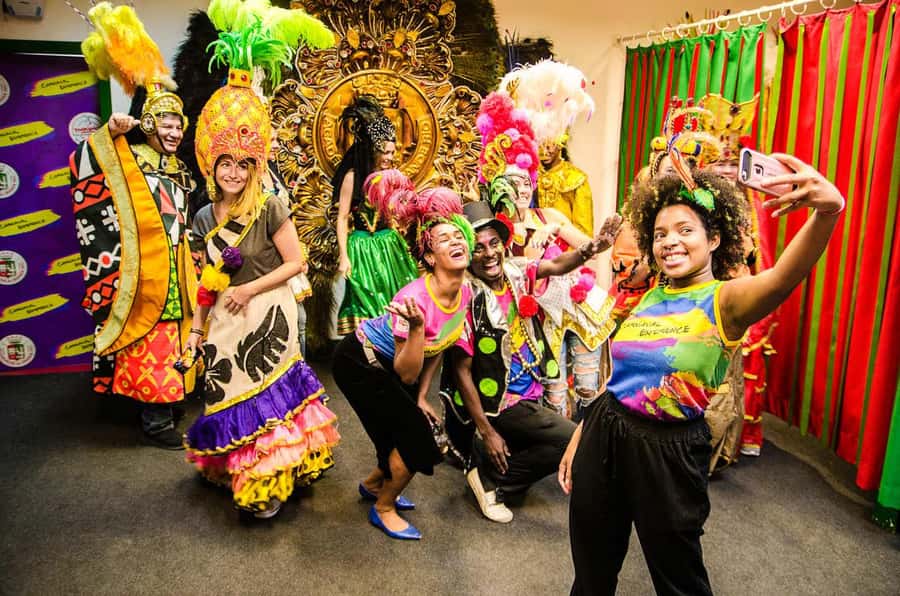
The costume section is the tour’s most playful part. You can see elaborate parade outfits from previous years, then try selected pieces yourself. The clothing helps explain how a Carnival theme is divided among different groups, with each costume contributing to the overall visual design.
This is not a formal costume fitting. You are trying on parade pieces for fun, photos, and a closer look at the materials and shapes. The clothing can be flamboyant, colorful, and far removed from everyday clothes, which is exactly why the activity works well for families, couples, and groups of friends.
Photography rules need attention. The information for this experience says photography inside is not allowed, while the activity also includes pictures in costume. The sensible reading is that photos are permitted only in designated moments or areas. Ask the guide before taking out your phone, and do not assume that every part of the warehouse is open for pictures.
The costume stop also gives you a useful visual lesson. On parade night, an outfit may appear for only a few seconds as a performer moves past. Here, you can notice its construction, decoration, and relation to the wider theme. You get a much better sense of how much detail can disappear from a distant seat in the Sambadrome.
Same city, a completely different kind of day:
- Rio de Janeiro: 6-Stop Highlights of Rio with Lunch
★ 4.4 · 5,157 reviews - Christ the Redeemer Entry Ticket by Corcovado Train
★ 4.4 · 4,476 reviews - Rio de Janeiro: Rocinha Favela Walking Tour with Local Guide
★ 4.8 · 3,052 reviews - Rio: Christ the Redeemer, Sugarloaf, Selaron & BBQ Lunch
★ 4.5 · 2,428 reviews
Samba’s story, told before the dance lesson
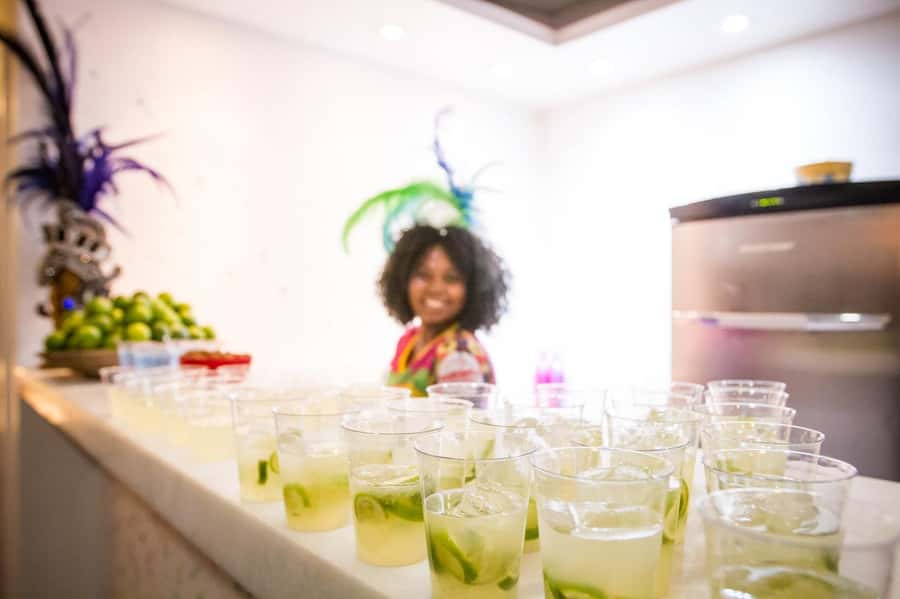
The tour includes an exhibition about samba and Carnival, along with a talk about their development and meaning. The goal is not to turn you into a samba historian in one afternoon. It gives you enough context to understand why the parade is such a major cultural event in Rio.
You will hear how samba schools organize their annual presentations and why preparation starts so early. The competition element is important: schools are not simply performing for fun, they are presenting a carefully designed entry that will be judged against other schools.
This background changes how you watch Carnival. A large float becomes part of a story. A cluster of costumes becomes a parade section. The dancers are not just filling space between musical numbers. They are part of a school’s visual and rhythmic plan.
The presentation quality depends on the guide. Sol was praised for creating a happy atmosphere, while Ton and Lea were singled out for clear, engaging explanations. Another guide was described as charming and well informed, though one person felt the guide did not invite enough questions. If you are curious, ask questions early rather than waiting for the final stop.
Learning samba without needing dance experience
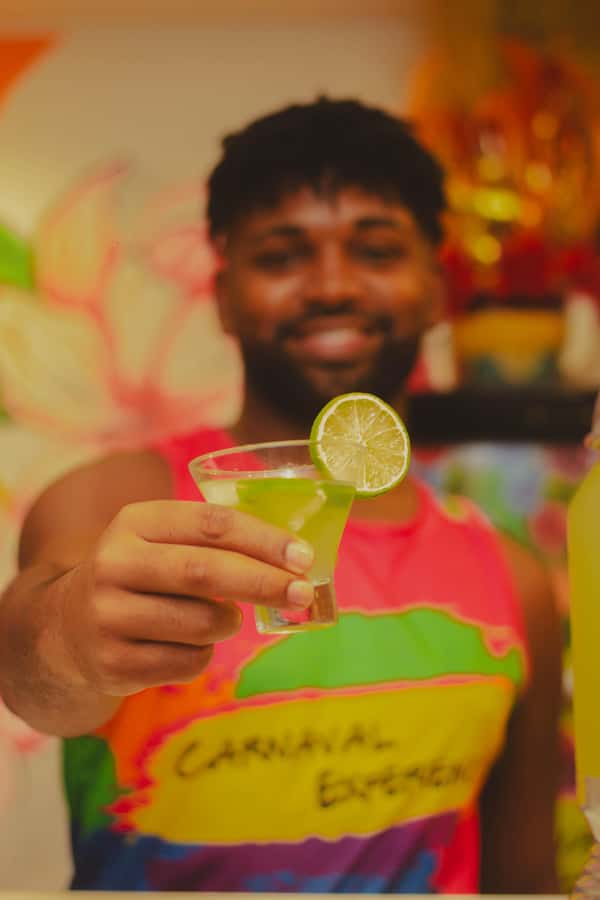
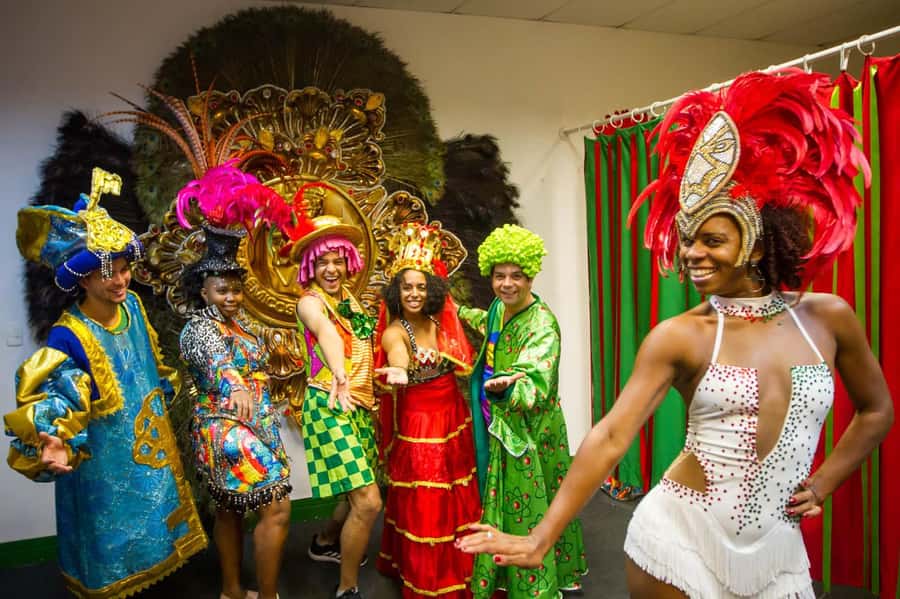
The samba workshop comes later and keeps the tour from becoming a quiet museum visit. A professional dancer demonstrates Carnival movements, then gives you a chance to copy the basic steps.
You do not need to arrive as a dancer. The lesson is short, social, and designed for participation rather than technical training. Some people will pick up the rhythm quickly; others will mostly laugh, move their feet, and enjoy the atmosphere. Both approaches fit the experience.
The lesson is especially useful if you plan to attend a parade. You will recognize the energy and movement more easily, even if your own samba steps remain modest. Several people treated the workshop as one of the highlights, along with the surprise appearance of dancers or a performance during the visit.
Wear clothes that allow easy movement. The tour involves walking through the complex, changing into costume pieces, and taking part in dance instruction. You do not need special footwear or equipment, but restrictive clothing could make the active portions less comfortable.
Ending with a caipirinha
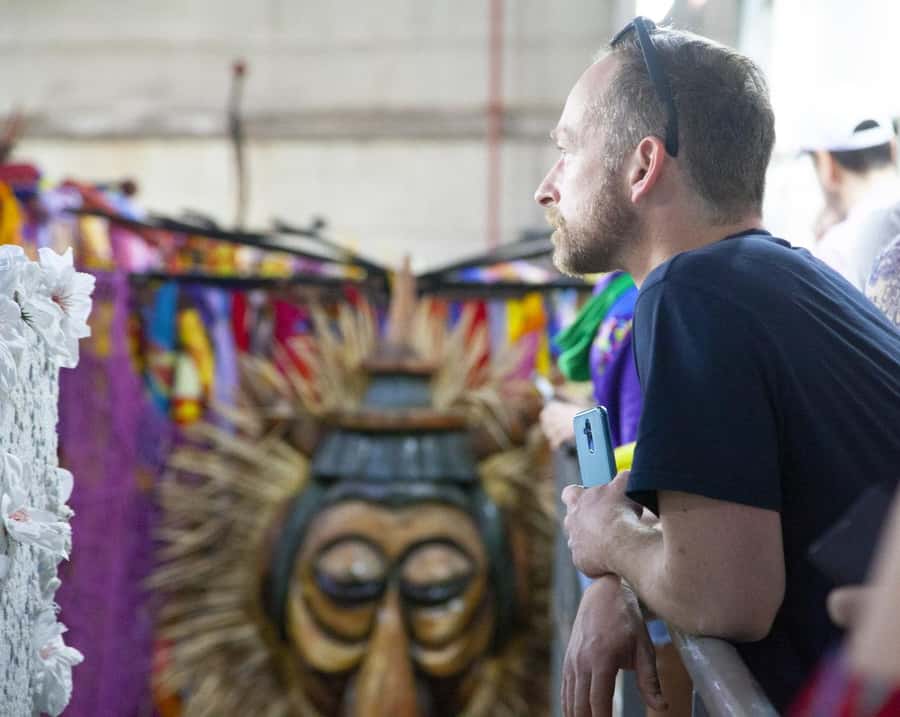
The final drink is a caipirinha, Brazil’s familiar cocktail of cachaça, lime, sugar, and ice. It is a pleasant finish after the walking, explanations, costumes, and dancing, and it adds a distinctly Brazilian touch without requiring another stop at a bar.
A nonalcoholic version is available, which is useful for children, anyone avoiding alcohol, or anyone who still has more sightseeing ahead. Water is also included.
The drink is a small part of the ticket, but it helps shape the mood. Carnival is meant to feel social and celebratory, and ending with everyone gathered over a drink gives the tour a natural close. You are not simply dismissed at the warehouse door after the formal explanation.
Is $27 good value for Rio?
At $27 per person, I consider this a good-value Rio activity. You receive a guided walking tour, a backstage pass, access to the Carnival exhibition and production spaces, costume participation, a samba lesson, water, and a cocktail.
The value is strongest if you are attending a Sambadrome parade. The tour gives you a framework for what you will see later, and several hours of context can make a fast-moving parade easier to follow. It also costs far less than a major Carnival ticket, while offering a different kind of access.
It is still worth doing outside Carnival season. The floats, costumes, and exhibition explain the work behind the event at any time of year. During the weeks before Carnival, the timing may offer a stronger sense of urgency and preparation, but the tour does not depend entirely on live construction.
The price does not cover transport. Add the cost of the VLT, taxi, ride app, or optional pickup when you plan your budget. For a short activity near other port attractions, the total can still work well, especially if you combine it with AquaRio, Rio Star, or the Museum of Tomorrow.
Who will enjoy this tour most?
I would recommend it to first-time visitors who want more than a postcard view of Carnival. It suits people who like cultural background, visual craft, and interactive stops rather than a long lecture.
Families can enjoy the costume section and dancing, though adults should check the group’s comfort level with an alcoholic welcome drink. Couples and friends will find plenty of playful photo opportunities where permitted. It also works for solo visitors because the samba lesson creates an easy group activity.
The tour is less ideal if you want a quiet, private visit or a detailed workshop on costume-making. It is designed to be lively. Guides encourage participation, and the experience works best if you are willing to put on a costume, try a few steps, and join the group spirit.
Small groups are available, which can make it easier to hear the guide and ask questions. Group size can vary by departure, so check availability when booking.
Practical details that make the visit easier
Plan for 90 to 150 minutes. The wide time range suggests that the pace, group size, guide, and interactive portions can affect the total length.
The activity is non-refundable, so check your schedule carefully before paying. Starting times vary, and you need to select an available slot in advance.
Bring water for the journey to the port area, even though water is supplied during the activity. Leave drones at your accommodation, and do not smoke indoors. Most importantly, follow the photography rules inside the complex.
If you are combining the tour with nearby sights, allow time for the port district rather than treating the experience as a quick ten-minute stop. The location is close to several attractions, but finding the entrance and walking through the complex can take longer than the map suggests.
Should you book the Samba City backstage tour?
Book it if you want the story behind the spectacle. The strongest parts are the close look at floats and costumes, the explanation of how samba schools prepare for a judged parade, the costume try-on, and the professional dance lesson. The caipirinha makes a fitting finish.
I would especially book it before seeing Carnival at the Sambadrome. You will watch the parade with sharper eyes and a better idea of what the costumes, floats, and school sections represent.
Skip it only if you want a highly technical production tour or cannot manage an interactive group setting. For most people, $27 buys a cheerful, useful introduction to one of Rio’s defining traditions, with enough real backstage access to make the glitter mean more.
FAQ
Where does the Carnival backstage tour meet?
It meets at the main entrance of the City of Samba on Binário do Porto Avenue in Rio’s port district. Look for the Carnaval Experience team in colorful shirts, either in the square or outside the Grande Rio warehouse.
How long does the tour last?
The tour lasts about 90 to 150 minutes. Starting times vary, so check availability when booking.
Is transportation included?
No. Transportation is not included in the standard activity. You can reach the site by VLT, taxi, Uber, car, or on foot. Optional pickup is available if arranged in advance.
What languages are available?
Live guides are available in French, Portuguese, English, Spanish, German, Hebrew, and Italian.
Can I take photographs inside?
Photography inside is not allowed. The experience includes costume photos, so ask the guide where and when pictures are permitted.
Is a nonalcoholic drink available?
Yes. The tour ends with a caipirinha, and a nonalcoholic version is available. Water is also included.
Just added around Rio de Janeiro
- Vidigal Favela Tour★ 4.4 · 26 reviews
- Hang gliding flight in Rio de Janeiro★ 5.0 · 6 reviews
- Rio de Janeiro: Zip Lining and Canopy Tree Tour★ 3.3 · 6 reviews
- Tijuca Forest Hike – Waterfalls & Caves, Nature & Wild Life!★ 5.0 · 51 reviews
- Unforgettable Boat Party★ 5.0 · 3 reviews
- Guided Tour to Favela Santa Marta★ 5.0 · 60 reviews
- Rio de Janeiro: Attend a Vasco da Gama game with local guide★ 4.8 · 9 reviews
- Rio Highlights: Christ, Sugarloaf, and More in a Private Tour★ 5.0 · 36 reviews
Rio Samba Nights, compared.
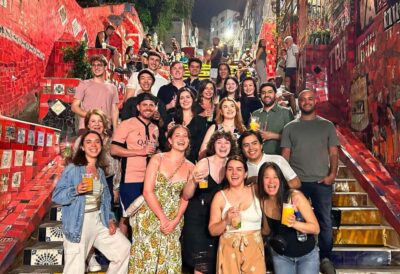
Pub Crawl in Lapa with Cachaça Tasting and Live Samba
Read our review →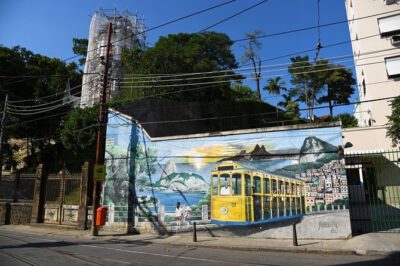
Santa Teresa, Lapa, and Cinelândia with Tram Ride and Selarón Steps
Read our review →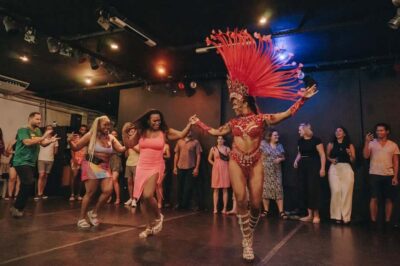


Ginga Tropical – Brazilian Samba and Folklore Show
Read our review →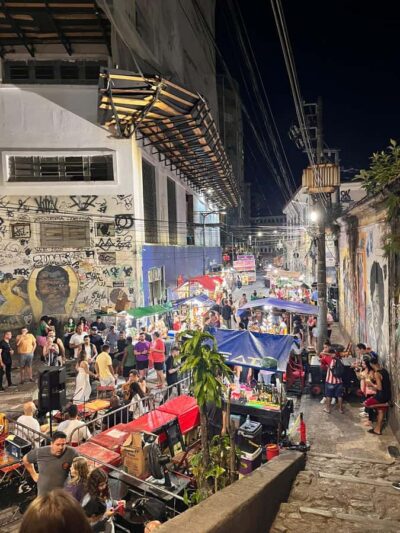
Pedra do Sal: Live Samba Night with Local Guide & Drink
Read our review →
Browse the lists this tour appears in