
Review · SUGARLOAF MOUNTAIN TOURS
Rio de Janeiro: Sugarloaf Mountain Hike and Climb
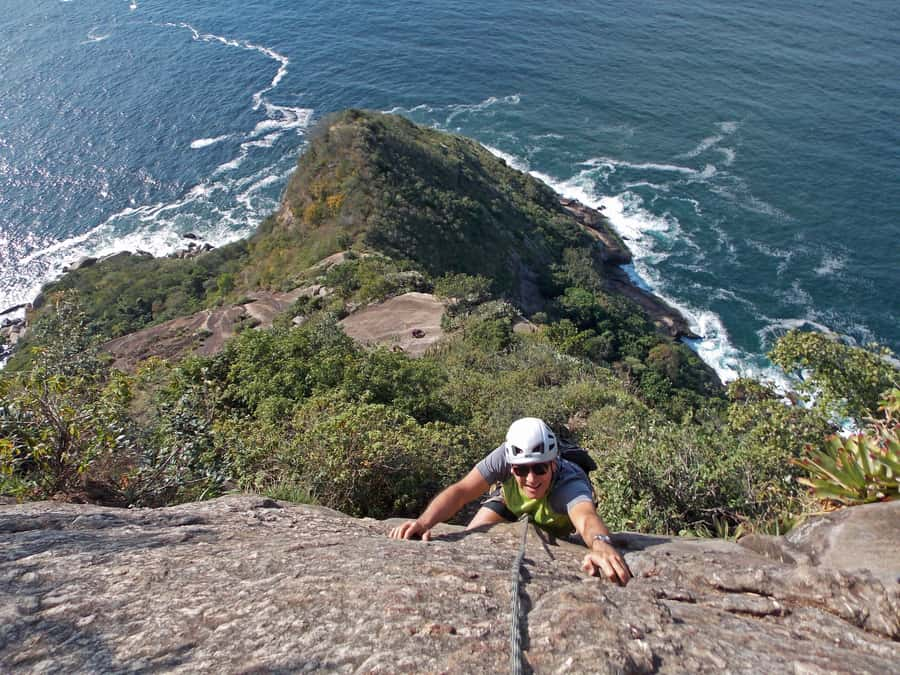
Sugarloaf Mountain is not just a cable-car photo stop. This four-hour outing takes you up the historic trail, across steep rock, and onto a 20-meter vertical wall with certified climbing gear. I like the changing views, from Guanabara Bay to Copacabana, and the way guides such as Sergio, Didi, and Thomas mix climbing help with stories about Rio. You may also spot monkeys in the trees.
The catch is simple: this is not an easy stroll. The trail includes steep sections, scrambling, and exposed rock, and one regular hiker rated it advanced. I like that the climb is short and guided, but you should bring real fitness, proper shoes, three liters of water, sunscreen, and a calm head for heights.
Key points at a glance
- A historic route up Sugarloaf: You follow the path used by the first person to walk up the mountain in 1817.
- A real climbing section: The 20-meter wall gives beginners a controlled introduction to rock climbing, with certified equipment and a bilingual guide.
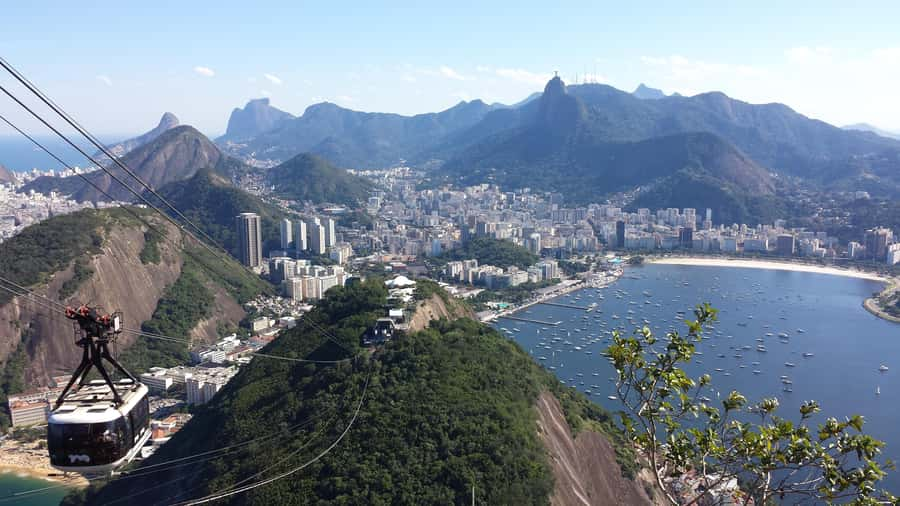
- Views that improve as you climb: Look across Guanabara Bay, Niterói, Copacabana Beach, Pedra da Gávea, and Morro Dois Irmãos.
- A cable-car finish: You reach Sugarloaf’s summit on foot, then descend by cable car to Urca Hill rather than retracing the full route.
- Wildlife along the trail: Keep watch for monkeys, especially around the forested parts of the route.
- Small-group flexibility: You can book a private outing or a small group, with English, Spanish, or Portuguese guiding.
Sugarloaf on foot, not just from the cable car
Most people see Pão de Açúcar from the cable car, the waterfront, or a city viewpoint. This experience gives you a different relationship with the mountain. You work your way upward, pause at natural lookouts, and earn the summit instead of simply arriving there.
The route begins at Pista Claudio Coutinho, near the meeting point at Praça General Tibúrcio in Urca. The setting matters. Urca puts you close to the mountain, Guanabara Bay, and the base of the cable-car system, so the outing starts with Rio already spread around you.
The first section is relatively quick. In about 20 minutes, you reach a lookout with views toward the entrance of Guanabara Bay and the city of Niterói. This early reward helps you get your bearings, but do not mistake it for the whole hike. The harder ground comes later.
You then move onto more technical trail, with stone ramps and uneven rock underfoot. The route is not a long wilderness trek, but it demands attention. Your guide will set the pace, point out hand and foot holds, and help you decide how to approach the tougher spots.
This mix of hiking, scrambling, and sightseeing is the main reason to choose the experience. You are not spending four hours on a single climb. You get several viewpoints, a physical challenge, a short introduction to climbing, and a dramatic finish at the summit.
More Sugarloaf Mountain trips:
- Rio: Christ the Redeemer, Sugarloaf, Selaron & BBQ Lunch
★ 4.5 · 2,428 reviews - Skip the Line to Christ Redeemer, Sugar Loaf and Barbecue Lunch
★ 4.0 · 593 reviews - Rio de Janeiro: Christ the Redeemer and Sugarloaf Tour with…
★ 4.6 · 499 reviews
The stone ramps and the first big viewpoints
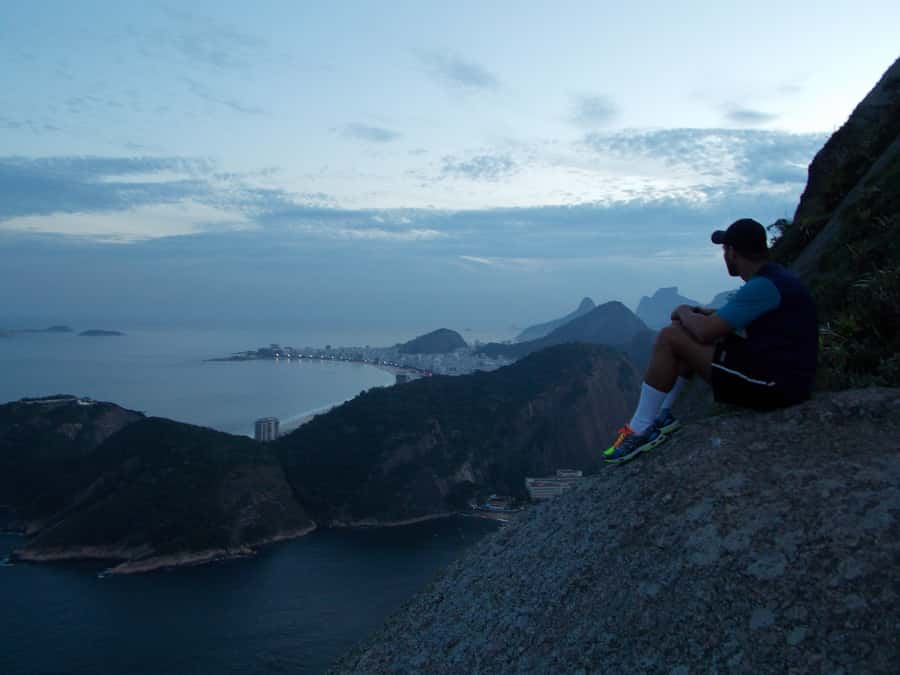
As the path rises, the views become wider and more varied. Instead of seeing only Rio’s famous beaches, you begin to understand how the city fits around the bay. The water, steep hills, beaches, and dense urban areas appear in different combinations as the trail turns.
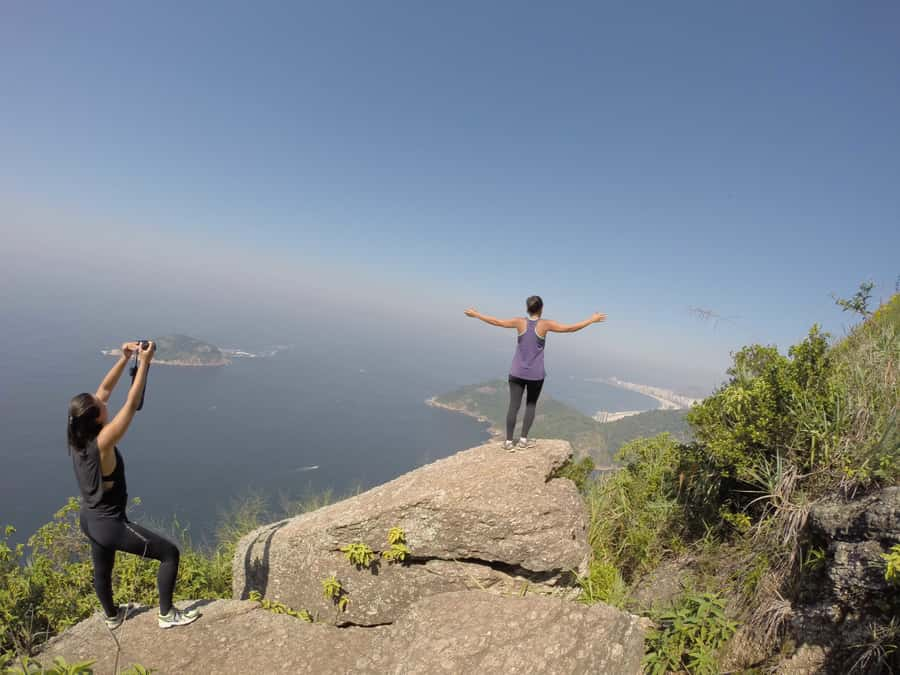
One important viewpoint is Pedra Filosofal. From here, you can look toward Copacabana Beach, Pedra da Gávea, and Morro Dois Irmãos. These are some of Rio’s most recognizable natural landmarks, but the angle from Sugarloaf makes them feel less like separate postcard subjects and more like parts of one enormous setting.
Your guide adds value here. Sergio has been praised for pointing out hand and foot holds during the climb, while also explaining Rio’s history and Brazil’s outdoor culture. Didi has been described as careful with pace and good at choosing stops for photographs. Thomas, also called Tommy by one participant, is known for keeping the mood upbeat during an early start and discussing local plants and animals.
Those personal touches matter on a route like this. A guide who simply leads from front to back would miss much of the point. You want someone who can explain where to place a foot, tell you when to pause, and give the mountain some context.
The route can also produce a small wildlife surprise. Monkeys have been seen along the descent, and the experience specifically allows for encounters with them in the wild. Do not treat this as a guaranteed animal sighting. Keep your eyes open, especially in the greener sections, and do not bring food out to attract them.
The 20-meter wall: beginner climbing with real effort
The climbing section is the tour’s main dividing line. If you have never climbed before, it gives you a chance to try the sport with a guide and certified equipment. If you already climb, it adds a technical element to a hike that might otherwise feel too familiar.
The wall rises 20 meters and is described as a basic introduction to rock climbing. That does not mean you can treat it like a ladder. You still need to trust your feet, use the handholds carefully, and manage your nerves. A guide will help you locate the holds and move through the awkward parts.
People with no previous climbing experience have completed the route, but you should be comfortable with the idea of height. The most useful preparation is not advanced climbing skill. It is a reasonable level of fitness, sure footing, and the ability to stay calm while following instructions.
The climbing equipment and personal accident insurance are included. The guides work in English, Spanish, or Portuguese, and private or small-group arrangements are available. Smaller groups can be especially useful here because the guide has more time to watch your movement and offer direct help.
The climb is not the only demanding part. One regular hiker described the whole route as advanced, with steep ground and plenty of scrambling apart from the two climbing sections. Another person found it manageable with average fitness, but still called the elevation gain challenging. Those two impressions fit together well: you do not need to be an athlete, but you should not book this expecting a gentle walk.
Reaching Pedra Filosofal and Sugarloaf’s summit
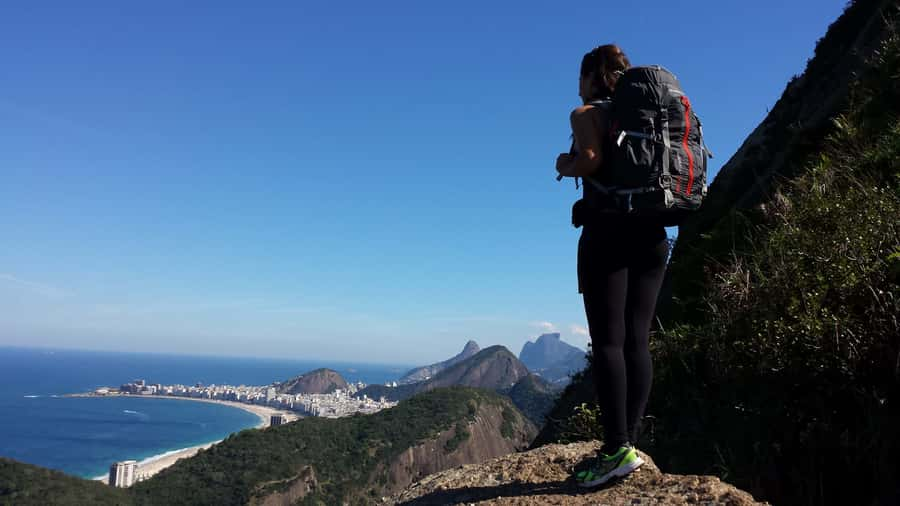
After the climbing sections, the route continues toward Pedra Filosofal and then Sugarloaf’s summit. The payoff comes in layers. At lower viewpoints, you focus on the bay and Niterói. Higher up, the views open toward Copacabana, Pedra da Gávea, and Morro Dois Irmãos.
The summit gives you the broadest view of the outing, but it is not necessarily the only memorable point. Some of the best moments come during the climb, when you look back at the rock you have just crossed and see Rio from a less polished angle.
The hike to the top takes roughly 2.5 to 3 hours for some groups, while the full activity lasts about four hours. Pace and conditions can affect the order and timing. Weather may also change the route or sightseeing sequence, so keep your schedule flexible rather than booking a tight connection immediately afterward.
At the summit, you have reached the part that many people visit by cable car, but you got there through physical effort. That contrast is the experience’s central appeal. You still get the famous panorama, but the route gives the mountain more depth and effort.
More hikes around Rio de Janeiro:
- Rio: Tijuca Forest Small Group Hike to Caves and Waterfalls
★ 4.9 · 536 reviews - Pedra do Telégrafo Hike and Beach Full-Day Tour
★ 4.5 · 417 reviews - Rio de Janeiro: Pedra da Gávea 7-Hour Hike
★ 4.7 · 183 reviews - Rio de Janeiro: Tijuca Forest Challenge Hike Full-Day Trip
★ 4.9 · 163 reviews
The cable-car descent to Urca Hill
The return is easier. You descend by cable car to Urca Hill, avoiding a full walk back down the steep route. That is a smart finish after several hours of climbing and scrambling, especially because downhill movement can be tiring on knees and ankles.
The cable car also changes the mood. After concentrating on feet, grips, and balance, you can simply look out at Rio as the cars move between the mountain and the lower station. One account also notes that the route can finish with an easy walk from Urca toward the beach, making the end feel relaxed rather than abrupt.
The cable-car descent is one reason the experience works well as a half-day activity. You get the effort of the ascent without committing to a long return trek. Still, confirm the exact cable-car arrangements when booking, since the supplied details describe the descent but do not separately spell out every transport inclusion.
What the $68 price covers
At $68 per person, the experience sits above a standard sightseeing outing but offers more than a basic guided walk. The price includes a bilingual guide, the guided hike and climb, certified climbing equipment, personal accident insurance, taxes, fees, and handling charges.
That makes the value strongest for people who would otherwise need to arrange a climbing guide and equipment separately. You are paying for route knowledge, safety support, and access to a more technical side of Sugarloaf, not just transport to a viewpoint.
Hotel pickup and drop-off are available if you choose the transportation option. Pickup covers most hotels in Rio’s South Zone and Downtown. Hotels in Barra da Tijuca, Recreio, São Conrado, and Santa Teresa are not eligible, and you may be directed to a nearby pickup point if your accommodation cannot be served.
If you can reach Urca easily, the meeting point is Praça General Tibúrcio, 75, near the obelisk. That option may be simpler than arranging a hotel pickup, especially if your hotel is outside the pickup area.
The price is less compelling if you only want the summit view. A cable-car visit will better suit someone who wants minimal effort. This outing earns its value through the trail, climbing practice, guide attention, and several viewpoints before the summit.
Fitness, equipment, and weather
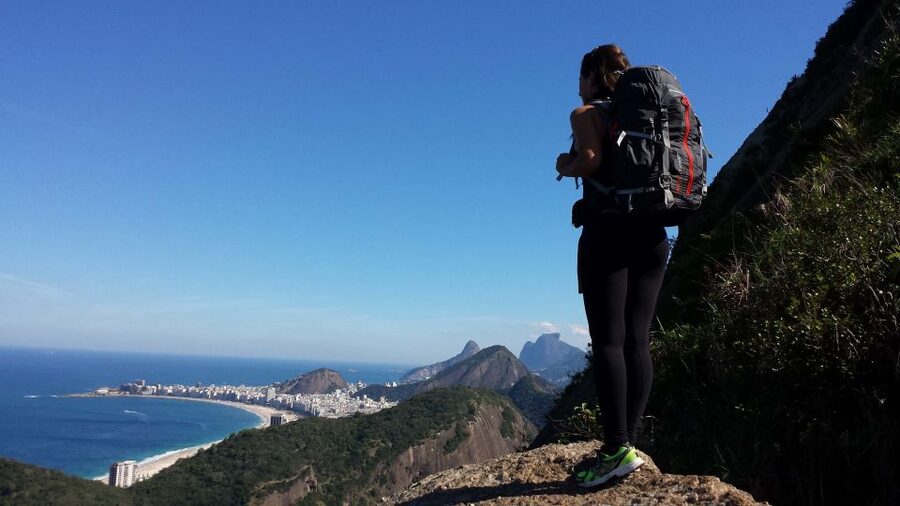
Wear shoes with a strong grip. Sandals and flip-flops are not allowed, and they would be a poor choice on steep stone anyway. Bring a small daypack, water, a light snack, and sunscreen. The guidance recommends up to three liters of water, which is a serious reminder that Rio’s heat can make a short activity feel much harder.
Do not bring luggage or a large bag. It will get in the way during scrambling and climbing. You also need to be free of alcohol or drug use before and during the outing, and weapons are prohibited.
This activity is not recommended for people with heart problems or other serious medical conditions. The supplied information specifically flags heart complaints, so take that warning seriously. If you have any significant medical concern, ask a medical professional before booking.
Weather is important. Rain or poor conditions can affect both the route and the order of the stops. A clear, dry day gives you the best chance of enjoying the long views and the rock safely, though the operator may need to reschedule or alter the plan when conditions are unsuitable.
One useful point is the cancellation policy. You can cancel up to 24 hours before the activity for a full refund, and a reserve-now, pay-later option is available. That flexibility helps when Rio’s weather forecast looks uncertain.
Which guide and group setup should you choose?
The experience is offered in English, Spanish, and Portuguese. Private and small-group options are available, which is useful if you want a slower pace or more direct help on the climbing sections.
Guides named in the supplied information include Sergio, Didi, Thomas, Tommy, and Eduardo. Sergio is especially associated with helping beginners through difficult holds and explaining the outdoor side of Brazil. Didi has been praised for clear pacing, safety, and good photo stops. Thomas and Tommy are described as encouraging, careful, and strong on local information. Eduardo is also singled out as an excellent guide.
You cannot necessarily select a particular guide, so book for the route and format rather than a promised individual. If you have never climbed, tell the operator about your experience level and ask about the smallest available group.
A private booking may be worth considering if members of your party have different fitness levels. A small group can also make the activity feel less rushed, although the exact pace will still depend on weather and the people present.
Who should book this Sugarloaf climb?
You should book if you want more than a cable-car ride and enjoy active sightseeing. It suits people with average to good fitness who are comfortable with steep trails, scrambling, and heights. You do not need prior professional climbing experience, but you do need to follow instructions and use proper footwear.
It is also a good match for someone who wants a four-hour activity that combines nature, city views, local stories, and a clear physical goal. The route gives you plenty of chances to stop for photographs, but it is not designed as a slow photo tour.
Think twice if you have heart problems, dislike heights, or want a flat walk. Also reconsider if you are carrying heavy bags or planning another strenuous activity immediately afterward. The route is not extremely long, yet the elevation gain and rock sections can leave you tired.
Should you book it?
Book this Sugarloaf experience if the idea of earning Rio’s famous view appeals to you. The 20-meter climb, varied viewpoints, wild monkeys, and cable-car return give the half-day outing more character than a standard summit visit.
Choose the cable car alone if you want convenience above all else. Choose this guided hike and climb if you want a safe introduction to rock climbing, practical help from an experienced guide, and a stronger sense of having crossed the mountain rather than simply visited it.
FAQ
How long does the Sugarloaf hike and climb take?
The activity lasts about four hours. Some groups take roughly 2.5 to 3 hours to reach the top, followed by the cable-car descent to Urca Hill.
Where do I meet the guide?
The meeting point is Praça General Tibúrcio, 75, in Urca, near the obelisk.
Is hotel pickup available?
Yes, pickup and drop-off are available if you choose the transportation option. Pickup covers most hotels in Rio’s South Zone and Downtown. Hotels in Barra da Tijuca, Recreio, São Conrado, and Santa Teresa are not eligible.
Do I need previous climbing experience?
No professional hiking or climbing experience is required. The activity includes a basic introduction to rock climbing, but you should have reasonable fitness and not be afraid of heights.
What should I bring?
Bring water, ideally up to three liters, a light snack, sunscreen, and a daypack. Wear comfortable shoes with a good grip.
Is the activity available in English?
Yes. Guides are available in English, Spanish, and Portuguese.
Can I cancel the booking?
You can cancel up to 24 hours in advance for a full refund. A reserve-now, pay-later option is also available.
Just added around Rio de Janeiro
- Hang gliding flight in Rio de Janeiro★ 5.0 · 6 reviews
- Rio de Janeiro: Zip Lining and Canopy Tree Tour★ 3.3 · 6 reviews
- Vidigal Favela Tour★ 4.4 · 26 reviews
- Tijuca Forest Hike – Waterfalls & Caves, Nature & Wild Life!★ 5.0 · 51 reviews
- Unforgettable Boat Party★ 5.0 · 3 reviews
- Guided Tour to Favela Santa Marta★ 5.0 · 60 reviews
- Rio de Janeiro: Attend a Vasco da Gama game with local guide★ 4.8 · 9 reviews
- Rio Highlights: Christ, Sugarloaf, and More in a Private Tour★ 5.0 · 36 reviews
Sugarloaf Mountain Tours, compared.

Christ the Redeemer, Sugarloaf, Selaron & BBQ Lunch
Read our review →
Skip the Line to Christ Redeemer, Sugar Loaf and Barbecue Lunch
Read our review →

Two of Rio’s Best: Christ the Redeemer & Sugarloaf Mountain Half-Day Tour
Read our review →
Sugarloaf Cable Car and Corcovado Train Tickets
Read our review →

Corcovado, Sugarloaf Mountain, and Selarón Steps 6-Hour Tour
Read our review →
Browse the lists this tour appears in