
Review · RIO FOOD AND DRINK TOURS
Rio de Janeiro: Brazilian Cooking Class in Rio de Janeiro
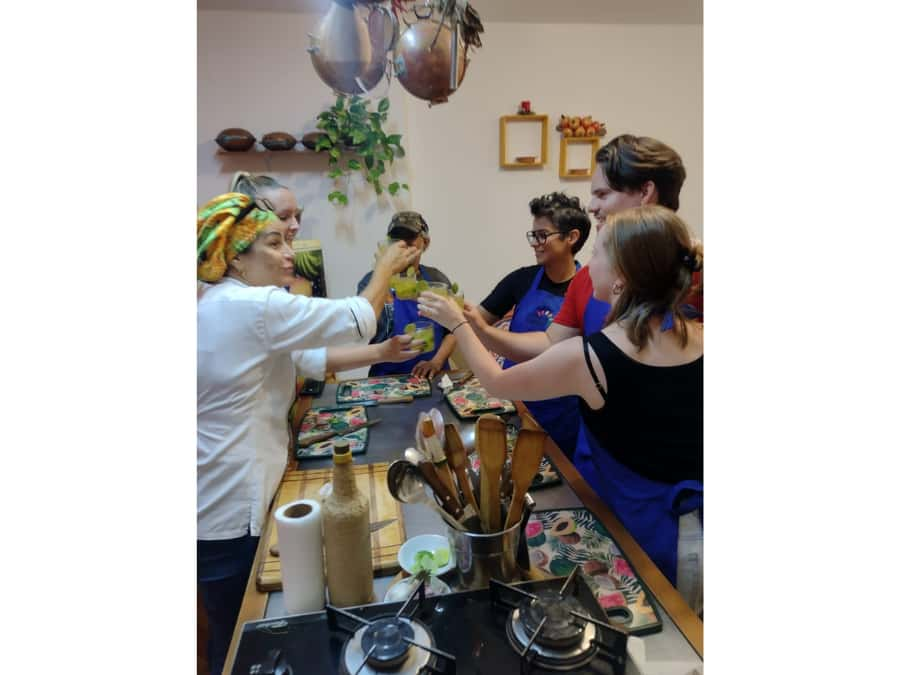
Brazilian cooking becomes much more meaningful when you make it yourself. In Copacabana, Chef Simone guides you through seven recipes, from fried cheese with spicy guava jam to seafood moqueca or pork-and-beans feijoada, then sits down with you for the meal and drinks.
I love the small format, with a maximum of seven people, and the chance to cook rather than simply watch. I also like the practical recipe list: the ingredients can be found around the world, so you can repeat the meal at home. The main consideration is the schedule. Moqueca is offered on Mondays, Wednesdays, and Fridays, while feijoada is reserved for Saturdays, and the published duration varies between three and four hours.
Key points to know before you book
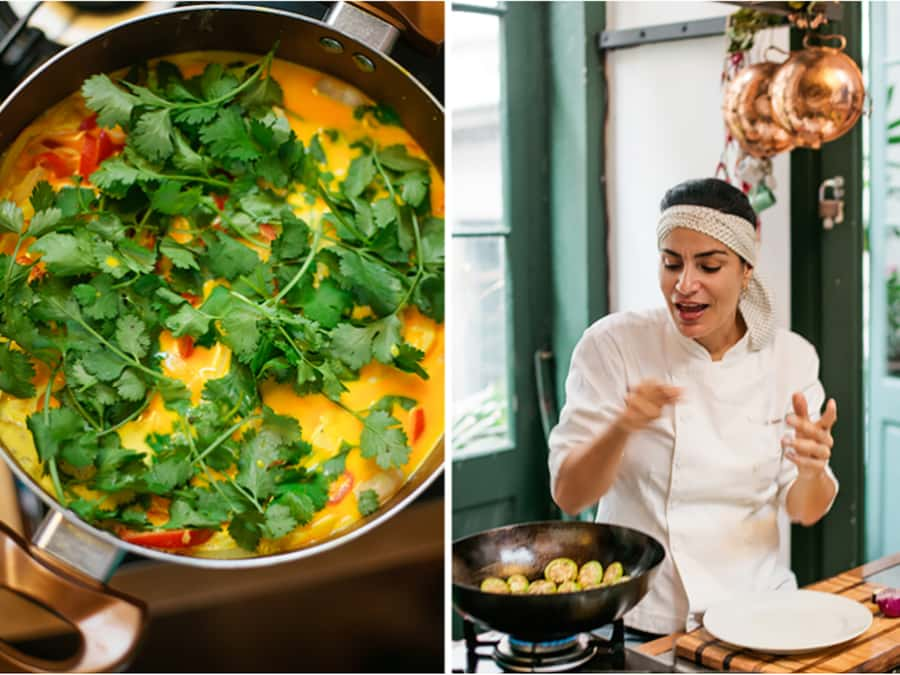
- Chef Simone leads the class: Her daughter may also assist, and the teaching includes Brazilian food culture and history.
- The main dish depends on the day: Choose moqueca on Monday, Wednesday, or Friday, or feijoada on Saturday.
- You cook the full meal: The class covers seven recipes, drinks included, not just one demonstration dish.
- The group stays small: A private group format and maximum of seven participants allow room for questions and personal help.
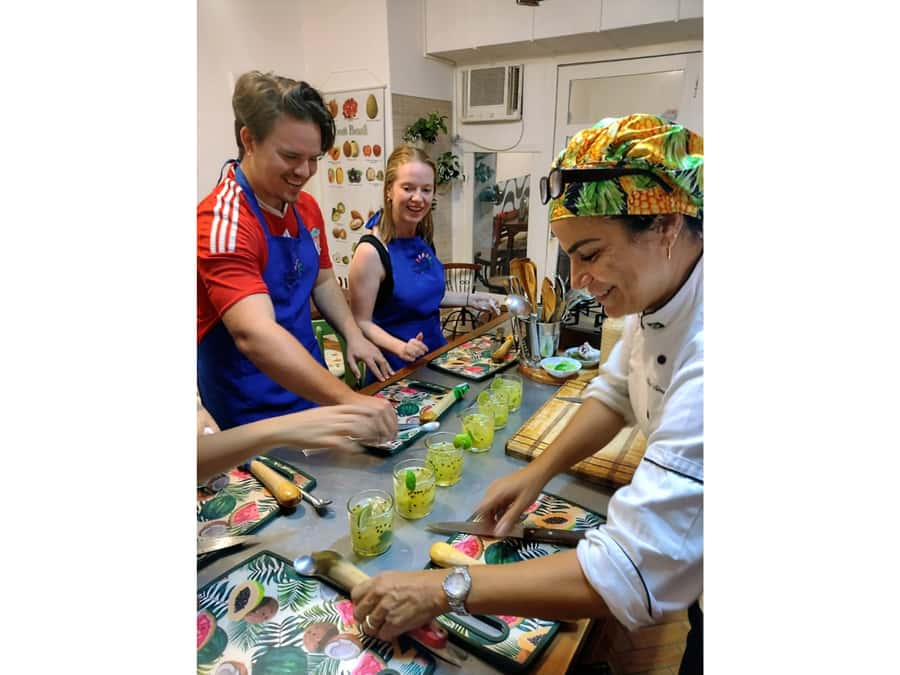
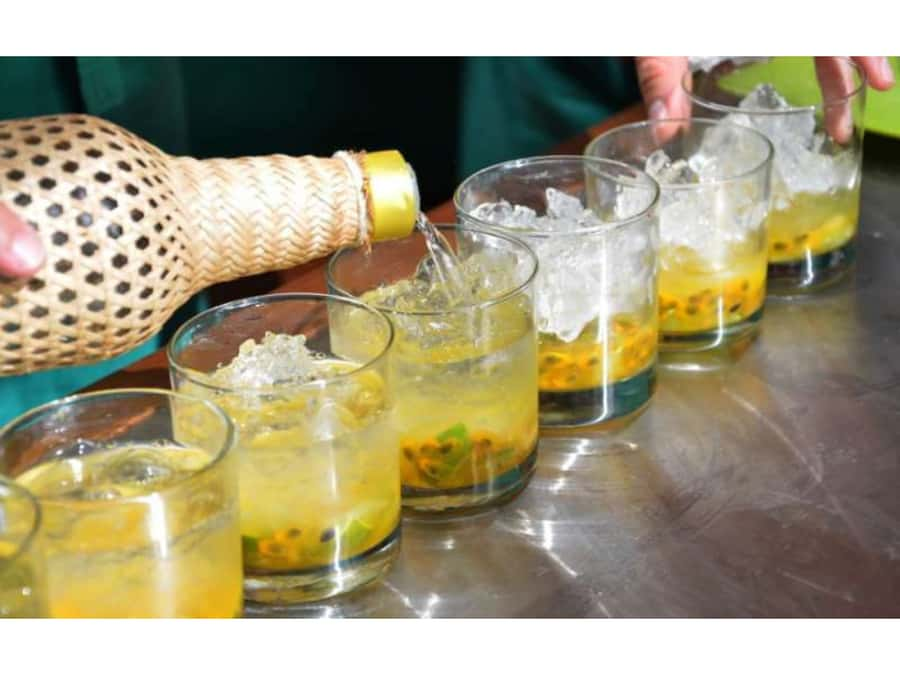
- Two drinks are included: You prepare a lime caipirinha and a batida de coco, with the meal.
- Budget around three to four hours: The stated duration is three hours, while the cooking description calls it a four-hour class.
Starting in Copacabana with Chef Simone
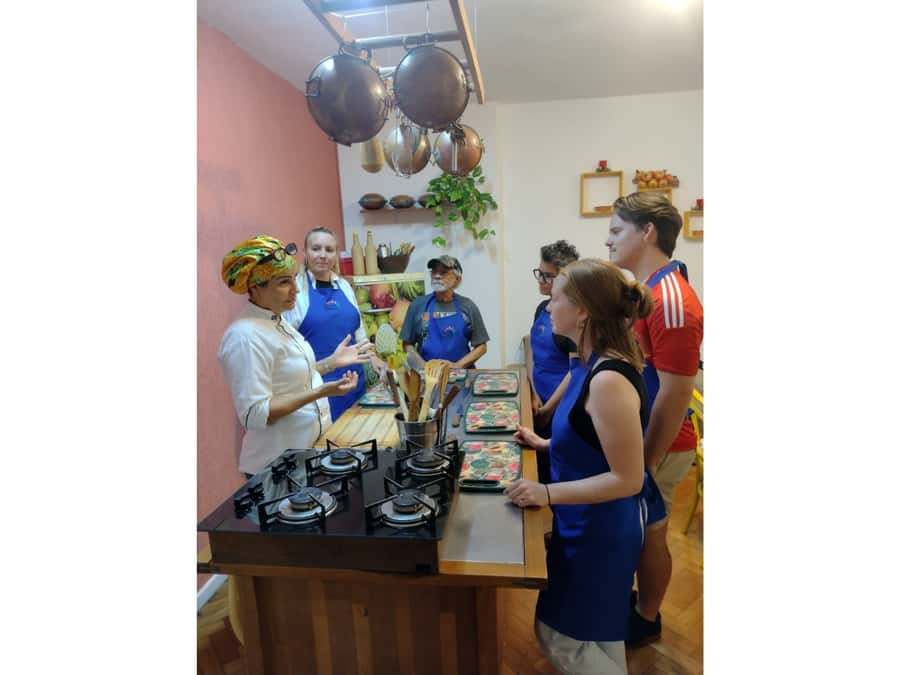
The class takes place in the Copacabana area of Rio de Janeiro, where you meet Chef Simone and begin with an introduction to Brazilian ingredients, techniques, and food traditions. The teaching is available in Portuguese, English, or Spanish, so you can choose the language that makes hands-on cooking easiest.
Chef Simone is more than a person who hands you a recipe card. She brings in stories about Brazilian food and the country, and her style is described as friendly, entertaining, and attentive. Her daughter has assisted during at least some classes, adding to the informal, social feel.
That matters because a cooking class can go one of two ways. You can either spend the afternoon watching someone else handle every pan, or you can get involved, ask questions, and learn how the dish comes together. This experience is built around the second approach.
You do not need previous cooking experience. If you are comfortable in the kitchen, you can ask more detailed questions about technique and flavor. If you are a beginner, the small group gives you a better chance to get help before a sauce, drink, or side dish goes off track.
More food and drink tours in Rio de Janeiro:
- Rio: Pub Crawl in Lapa with Cachaça Tasting and Live Samba
★ 4.7 · 881 reviews - Rio: Caipirinha Workshop and Samba Class
★ 4.8 · 113 reviews - Guided Market Fruit Tasting in Rio with 15+ Exotic Flavors
★ 5.0 · 68 reviews
Seven recipes, not just one signature dish
The class offers a broad taste of Brazilian cooking. The sample menu includes seven items, although the package is also described as five courses plus two drinks. Either way, you should expect several separate preparations rather than a single main course.
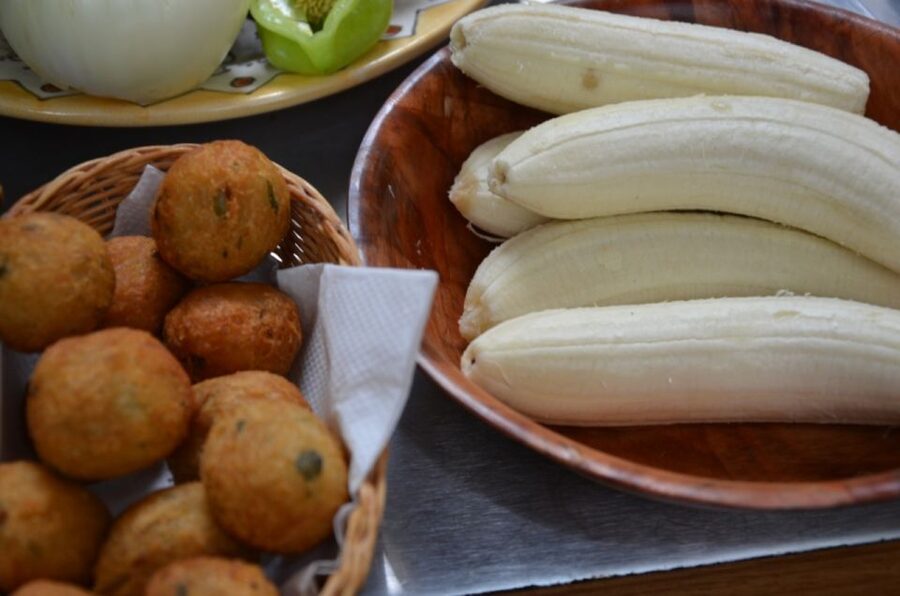
The opening dishes include fried cheese with spicy guava jam and slivers of fried sausage. These give you an early introduction to the sweet and savory contrast that appears often in Brazilian food. The sausage is served in small pieces, making it an easy dish to prepare and share while the rest of the meal comes together.
The drink portion includes a lime caipirinha and a batida de coco. The caipirinha is Brazil’s famous lime-based cocktail, while the coconut drink offers a sweeter, creamier counterpoint. Since you prepare both drinks as part of the class, you are learning more than a restaurant order. You get a basic sense of how each drink is built and balanced.
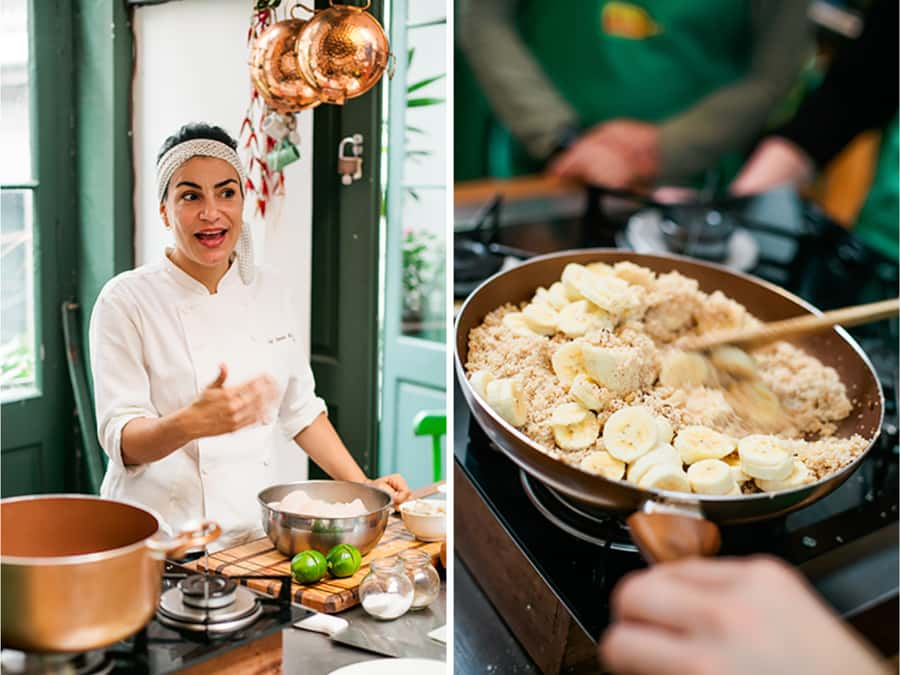
The meal also includes cassava sticks, banana farofa, and flavored rice. Cassava is a major part of Brazilian cooking, and the class gives you a chance to work with an ingredient that may be less familiar if you usually cook European or North American food. Farofa, made here with banana, adds texture and a gentle sweetness beside the main dish.
Dessert changes according to the available exotic fruit or what the chef has prepared. Possibilities include brigadeiro or doce de leite. This means the final course is not completely fixed, but it also lets the menu respond to Brazilian ingredients and the chef’s own cooking.
Choosing moqueca or feijoada
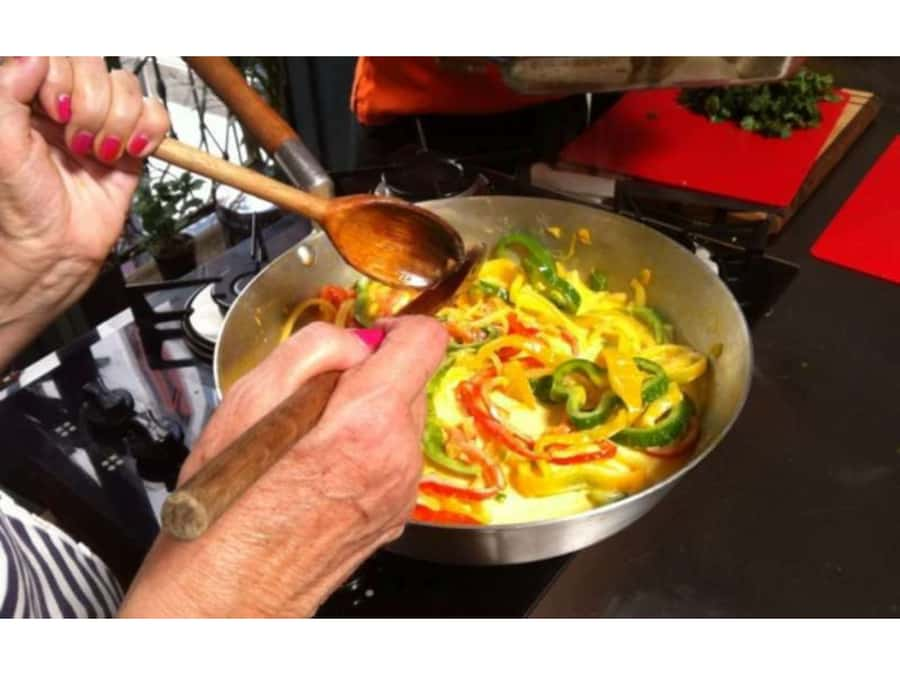
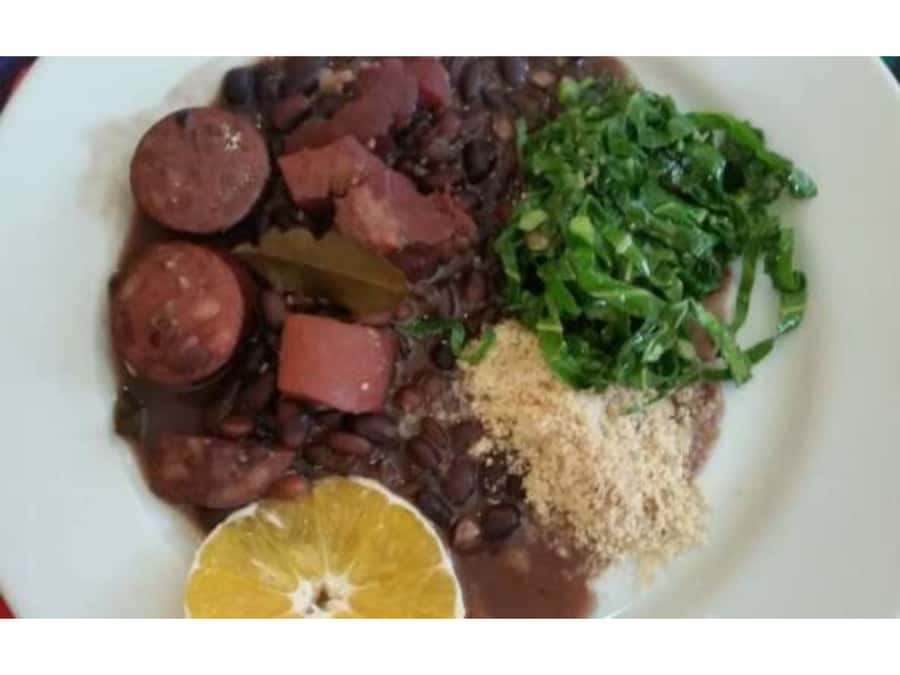
The most important booking detail is the main dish. On Mondays, Wednesdays, and Fridays, the class focuses on seafood moqueca. On Saturdays, it switches to feijoada, the well-known Brazilian pork and black bean dish.
Moqueca is the better choice if you want a seafood-centered meal and a dish that feels closely tied to Brazil’s coastal cooking. One participant described the fish dish as especially tasty and appreciated the food history shared during the class. The meal comes with cassava sticks and the other prepared sides, so you are not cooking seafood in isolation.
Feijoada is the Saturday option. It combines pork and black beans into a filling dish with plenty of character. One recent participant specifically recommended choosing feijoada, so Saturday is worth protecting in your schedule if this is the Brazilian classic you most want to learn.
The schedule makes the choice simple, but it limits flexibility. You cannot freely select either main dish on any date listed. Check the class day carefully before booking, especially if you have dietary preferences or one dish is the main reason you are interested.
Cooking instead of watching
The practical part of the class is the real reason to pay for this experience. You are expected to help prepare and cook the food, with the instructor guiding the process and answering questions as you work.
That setup gives you a useful look at the small decisions that recipes often leave out. You can ask how ingredients are combined, how flavors are adjusted, and how the separate dishes fit into one meal. The supplied ingredients are described as widely available around the world, which makes the class more useful after your holiday.
You also get all ingredients and equipment needed for the cooking and drinks. That is important for a visitor staying in Rio, since you do not need to bring kitchen tools or shop for unfamiliar products beforehand.
Still, keep your expectations realistic. A three or four-hour class covering seven recipes will give you a lively working knowledge, not professional chef training. You will come away with dishes to repeat and a better sense of Brazilian flavors, but you may need to practice at home before every step feels natural.
A few more Rio de Janeiro tours worth weighing up
- Rio de Janeiro: Brazilian Cooking Class with Hotel Pickup
★ 5.0 · 5 reviews
The meal that follows your work
After the cooking is finished, you sit down with the instructor and eat what you prepared. The two drinks are included, so the final part feels like a shared meal rather than a quick tasting at the counter.
I like this format because it gives the class a clear payoff. You spend the earlier part measuring, stirring, frying, and assembling. Then you can judge the result for yourself, with the caipirinha and batida de coco alongside the food.
The social side is also part of the appeal. One father and son described the class as feeling like time spent with good friends, while another participant praised the chance to cook, chat, and eat together. Chef Simone’s warm manner and her daughter’s help can make the evening feel personal instead of formal.
That atmosphere may suit you if you want a cooking lesson with conversation and cultural context. It may suit you less if you prefer a quiet, highly structured class where every minute is devoted to technique.
What the small group changes
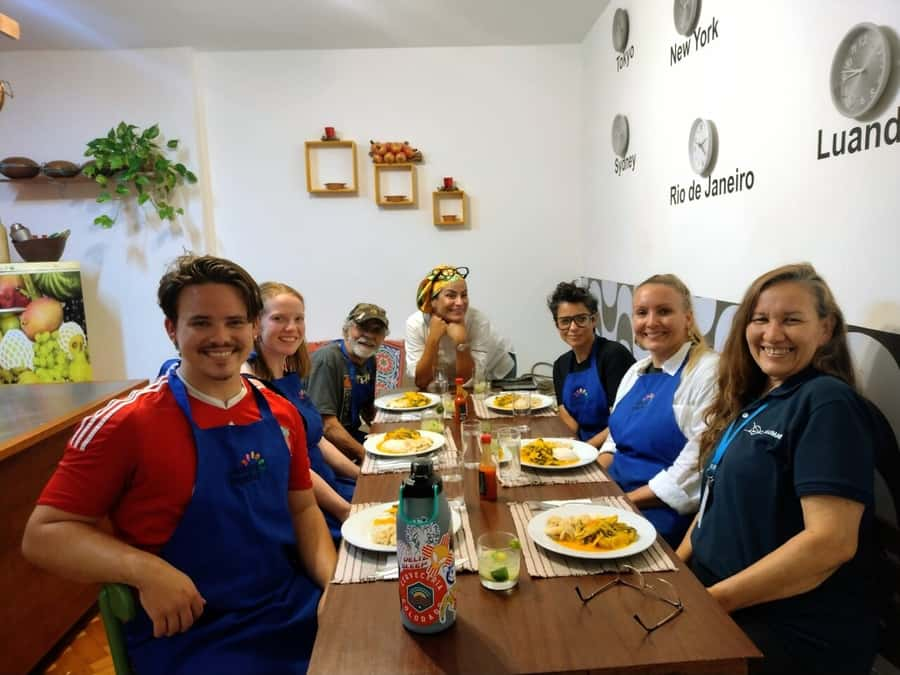
The maximum of seven participants is a strong feature. Cooking classes can become frustrating when a large group crowds around one cutting board or waits for a turn at the stove. A smaller class gives you more direct contact with the instructor and more chances to handle the food yourself.
The activity is also described as a private group experience. Confirm the exact arrangement when booking if you need the class to be entirely for your own party, but the small size remains useful either way.
For beginners, this means you can ask basic questions without slowing down a large class. For confident home cooks, it gives you space to ask about Brazilian ingredients, regional food, and ways to adapt the recipes at home.
The tradeoff is that the price is not aimed at the cheapest food activity in Rio. At $220 per person, you are paying for instruction, ingredients, equipment, a full meal, two drinks, and a personal group format. If you only want to sample Brazilian food, a restaurant meal costs less. If you want to learn several recipes and recreate them later, the price is easier to justify.
How much time to set aside
The activity information gives a duration of three hours, while the cooking description calls it a four-hour class. Treat it as a substantial half-day or evening commitment rather than a quick lesson.
That extra time matters because the menu has several dishes and drinks. You will be preparing a starter, sausage, drinks, main course, side dishes, and dessert before sitting down to eat. The exact pace may depend on the group and the day’s main recipe.
You do not need to arrange transportation as part of the booking. Pickup and drop-off are not included, so you must make your own way to the Copacabana cooking studio and plan your return afterward.
The language choices are Portuguese, English, and Spanish. Select the language that lets you follow kitchen instructions without strain. Cooking is more enjoyable when you can ask about a technique at the moment you need it.
Who will get the most from this class
I would recommend this experience to you if you want to do more than take photos of Brazilian food. It is especially suited to:
- Home cooks who want recipes they can repeat
- Beginners who prefer patient, hands-on instruction
- Couples, families, or friends who enjoy preparing a meal together
- Visitors curious about Brazilian food traditions and ingredients
- People who value a small group over a large demonstration
It is also a good choice for a rainy day or an evening when you want an activity beyond sightseeing. The meal gives the class a natural ending, and the food stories add context without turning the experience into a lecture.
You should think twice if your schedule is tight, if you do not drink alcohol, or if you want complete freedom to select the main dish. Two alcoholic drinks are included, and the advertised menu is built around either moqueca or feijoada depending on the day.
Value, cancellation, and practical details
The $220 price includes the class, all ingredients, all equipment, five dishes, two drinks, taxes, and handling charges. It does not include transportation. For a private or very small class with a full meal, the price can make sense, particularly if you will actually cook the recipes again at home.
The value is weaker if you see the activity as simply dinner. You are paying for the instruction and the chance to prepare the food, so take notes, ask questions, and pay attention to the methods. That is where the experience earns its cost.
You can cancel up to 24 hours before the activity for a full refund. The reserve-now-and-pay-later option also helps if your Rio schedule is still changing.
The strongest praise centers on Chef Simone herself. Her food knowledge, friendly teaching, attention to each participant, and ability to connect cooking with Brazilian culture are central to the experience. That personal element is more important here than any single recipe.
Should you book the Copacabana cooking class?
Book it if you want a personal, hands-on introduction to Brazilian food and you are happy to plan around the main dish schedule. Choose a Monday, Wednesday, or Friday for moqueca, or Saturday for feijoada.
I would give this class priority over a standard food demonstration because you prepare the recipes yourself, eat the finished meal, and receive two drinks as part of the experience. Just confirm the start time, allow three to four hours, and remember that transportation is not included.
For the best match, pick the class day based on the dish you most want to learn. That one choice will shape the meal, and it is the most useful detail to settle before paying $220.
FAQ
Where does the Brazilian cooking class take place?
The class takes place in the Copacabana region of Rio de Janeiro.
How long does the cooking class last?
The activity is listed as three hours, while the cooking description refers to a four-hour class. Check the available starting times and plan for a three to four-hour experience.
Which main dish is prepared in the class?
Seafood moqueca is prepared on Mondays, Wednesdays, and Fridays. Pork and black bean feijoada is prepared on Saturdays.
How many people can join the class?
The class has a maximum of seven participants and is described as a private group experience.
Which languages does the instructor speak?
Instruction is available in Portuguese, English, and Spanish.
Are drinks included?
Yes. Two drinks are included. The sample menu lists a lime caipirinha and a batida de coco.
Is transportation included?
No. Pickup and drop-off are not included, so you must arrange your own transportation to and from the cooking studio.
More Classes and Lessons in Rio de Janeiro
- Rio de Janeiro: Beginner Samba Lesson in Ipanema
★ 4.9 · 1,071 reviews - Rio de Janeiro: Samba Class in Copacabana
★ 4.6 · 262 reviews - Rio de Janeiro: Samba Class and Samba Night Tour
★ 4.6 · 115 reviews - Samba Class in Copacabana
★ 4.5 · 52 reviews
Just added around Rio de Janeiro
- Vidigal Favela Tour★ 4.4 · 26 reviews
- Hang gliding flight in Rio de Janeiro★ 5.0 · 6 reviews
- Rio de Janeiro: Zip Lining and Canopy Tree Tour★ 3.3 · 6 reviews
- Tijuca Forest Hike – Waterfalls & Caves, Nature & Wild Life!★ 5.0 · 51 reviews
- Unforgettable Boat Party★ 5.0 · 3 reviews
- Guided Tour to Favela Santa Marta★ 5.0 · 60 reviews
- Rio de Janeiro: Attend a Vasco da Gama game with local guide★ 4.8 · 9 reviews
- Rio Highlights: Christ, Sugarloaf, and More in a Private Tour★ 5.0 · 36 reviews
Rio Food and Drink Tours, compared.
Pub Crawl in Lapa with Cachaça Tasting and Live Samba
Read our review →

Guided Market Fruit Tasting in Rio with 15+ Exotic Flavors
Read our review →
City Tour Full VIP – Corcovado Train + Churrascaria Rodízio
Read our review →
African Heritage: Gastronomy and Musicality Experience
Read our review →
Rio Experience: Caipirinha Workshop (2 Caipis) + Funk Class
Read our review →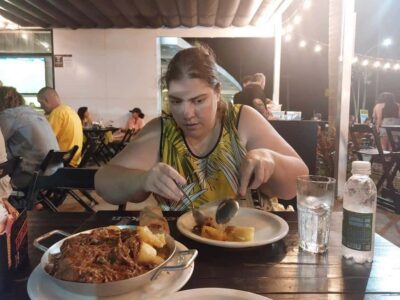
The Best Food Tour: Taste the Most Authentic Flavours of Rio
Read our review →Browse the lists this tour appears in